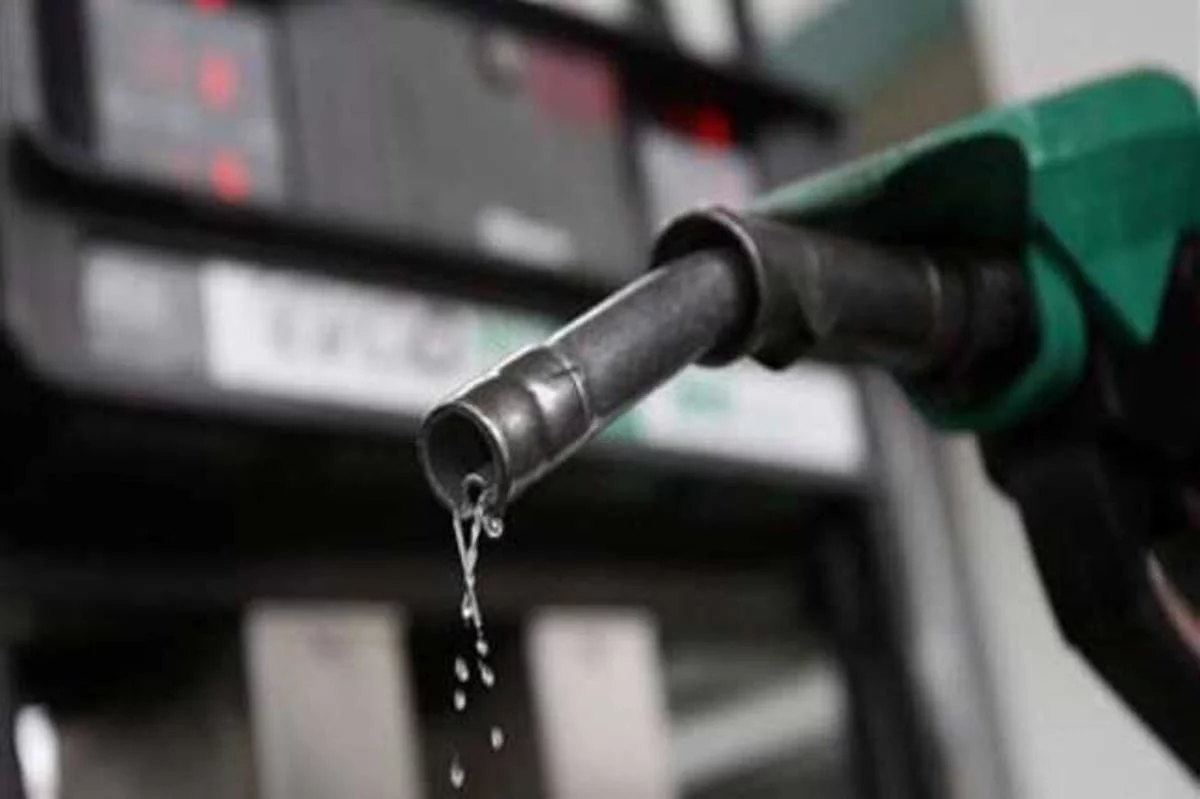
The U.S. national average price for a gallon of regular gasoline crossed the psychologically charged $4 mark on Monday for the first time in more than three years, according to data from price-tracking service GasBuddy.
This unwelcome milestone—last breached in August 2022 amid the fallout from Russia’s invasion of Ukraine—arrives as drivers across the country feel the pinch at the pump. The national average has surged roughly $1.06 per gallon, or about 36%, since late February when U.S. and Israeli forces launched strikes against Iran. In some coastal states like California, Hawaii, and Washington, prices have already climbed well above $5 per gallon.
The immediate catalyst is Iran’s near-closure—or “essential closure,” as multiple reports describe it—of the Strait of Hormuz, the narrow chokepoint through which roughly one-fifth of the world’s oil supply typically flows. With tankers rerouting or avoiding the Persian Gulf amid fears of escalation, and reports of an oil tanker attacked near a Dubai port, supply disruptions have rippled outward. U.S. West Texas Intermediate crude futures settled at $102.88 per barrel on Monday, up $3.24 for the day and marking the first close above $100 since 2022. Brent crude, the global benchmark, hovered near $113 after earlier spikes.
Raymond James analyst Pavel Molchanov drew direct parallels to the 2022 energy shock but offered a note of cautious optimism on duration. “A sudden outbreak of war leads to a spike in US gasoline to $4.00 per gallon. That describes the current Iran conflict—and also Russia’s invasion of Ukraine in 2022,” he said. “Then, as now, oil prices soared around the world, and emergency oil stockpiles were tapped. But we envision this crisis being shorter: whereas gas stayed above $4.00 for 23 weeks in 2022, we expect prices starting to cool in the next few weeks.”
Still, analysts caution that further escalation could push prices higher. Any sustained disruption in the Strait of Hormuz or additional attacks on Gulf energy infrastructure would amplify the pain, potentially sending crude well beyond current levels and feeding into broader costs for everything from diesel (already surging past $5 in places) to fertilizer and consumer goods.
The Trump administration has moved to blunt the impact, issuing a 60-day waiver of the century-old Jones Act. The temporary suspension allows foreign-flagged vessels to transport fuel, fertilizer, and other goods between U.S. ports, aiming to ease domestic shipping bottlenecks.
White House officials framed it as part of efforts to mitigate short-term disruptions tied to “Operation Epic Fury,” the apparent codename for aspects of the military campaign. However, industry experts and maritime groups largely view the move as having only marginal effects on pump prices, since the dominant driver remains the global crude oil surge rather than U.S. coastal shipping costs.
For ordinary Americans, the visibility of those rising numbers on gas station signs is already taking a toll. A Reuters/Ipsos poll conducted in mid-to-late March found that 55% of respondents said higher gasoline prices had affected their household finances at least “somewhat,” with 21% reporting a “great deal” of impact. Many expect further increases in the weeks ahead, compounding pressures on budgets already strained by other costs.
Economist Jeremy Siegel of WisdomTree highlighted the unique power of gasoline as an economic signal. “The key issue is not simply crude oil itself. It is gasoline, the most visible price in the economy for consumers, and when that price jumps it hits psychology immediately,” he wrote in a recent note. “That matters, even if the broader economic effect is more balanced than the headlines.”
As spring driving season approaches, the $4 threshold serves as a stark reminder of how quickly geopolitical events in distant waters can translate into everyday pain at home. While some analysts bet on a relatively swift de-escalation and price relief—potentially aided by tapped strategic reserves or diplomatic breakthroughs—others warn that prolonged uncertainty could keep energy markets volatile well into the summer.
For now, millions of drivers filling up their tanks are left hoping that this latest energy spike proves shorter-lived than the last. But with the Strait of Hormuz remaining a flashpoint and oil futures trading at multi-year highs, the road ahead at the pump looks anything but smooth.
WHAT YOU SHOULD KNOW
U.S. gasoline prices have surged past $4 per gallon for the first time in over three years, driven primarily by Iran’s near-closure of the Strait of Hormuz amid the ongoing U.S.-Israeli war with Iran.
This 36% spike since late February is hitting household budgets hard, with over half of Americans already feeling the financial strain. While analysts expect prices to ease in the coming weeks as the crisis may prove shorter than the 2022 Ukraine shock.
Geopolitical tensions in the Persian Gulf remain the dominant factor pushing up global oil and pump prices**, directly affecting everyday consumers far beyond the conflict zone.