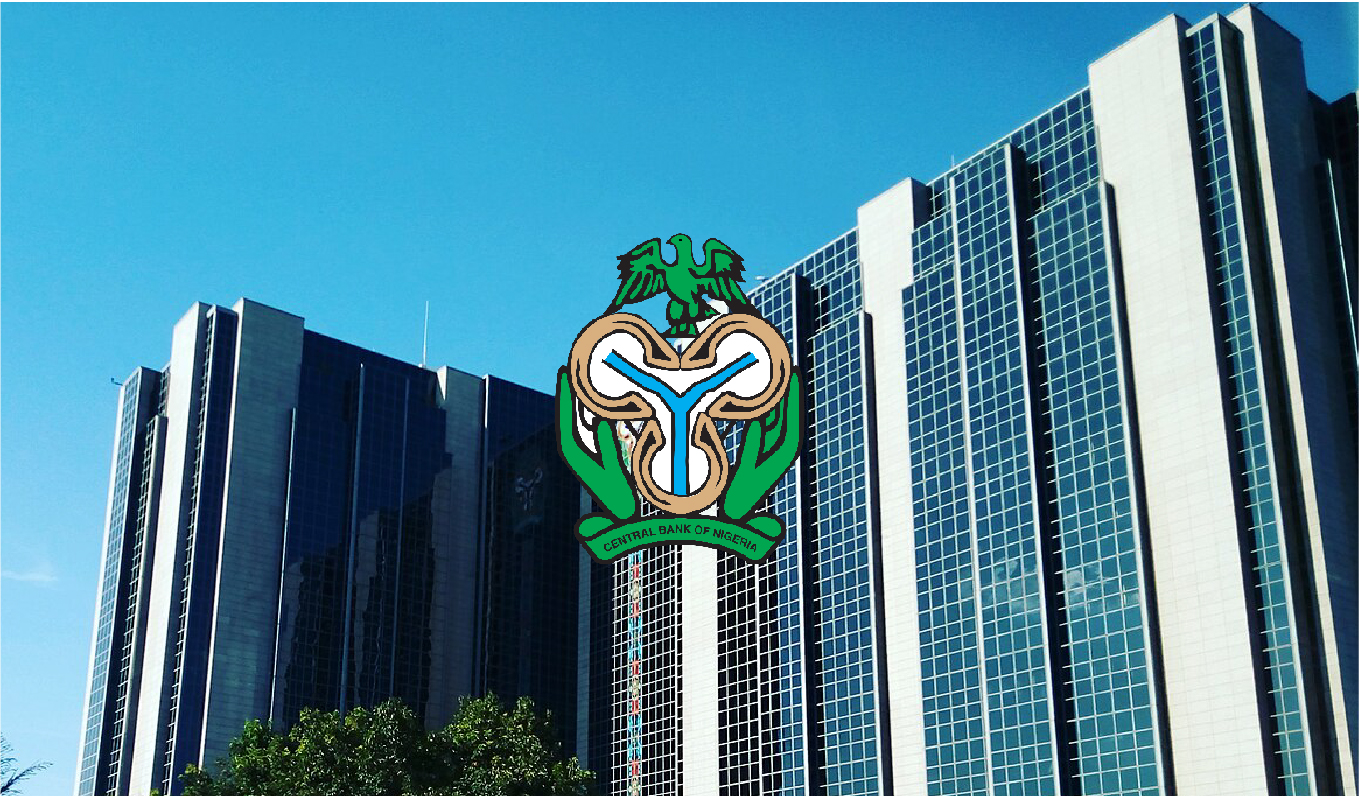
The Central Bank of Nigeria (CBN) is returning to the debt markets today, March 18, with a massive “N1.05 trillion” Treasury Bill auction.
This latest offering brings the federal government’s total short-term borrowing to a staggering N2.99 trillion in just a two-week window.
The auction, conducted on behalf of the Debt Management Office (DMO), is not merely a routine liquidity management exercise.
For seasoned observers of Nigeria’s financial landscape, the sheer velocity of these issuances—roughly N3 trillion in 14 days—points to a “stretched” fiscal system grappling with maturing obligations and a thirst for immediate cash.
The Mechanics of the Offer
The CBN is utilizing the “Dutch auction system,” a competitive bidding process where yields are dictated by investor appetite and current market liquidity. Today’s offer is bifurcated across three tenors, notably weighted toward long-term security:
91-Day Bills: N100 billion
182-Day Bills: N150 billion
364-Day Bills: N800 billion
The heavy concentration in the 364-day instrument (nearly 76% of the total offer) reflects a strategic push to lock in funding for a full year, despite the elevated interest rates that have characterized recent auctions.
This morning’s auction follows two significant outings earlier this month. On March 4, the apex bank successfully raised N1.01 trillion, followed by another N933.92 billion on March 11.
While the government has found a ready audience in institutional investors—drawn by yields that have climbed as high as 16.73%—the cost of this domestic debt is sparking concern among economists.
“This is not routine financing,” warns Blakey Okwudili Ijezie, convener of Blakey’s National Economic Conference. “It is a signal of pressure and urgency. Interest rates will rise because such volumes cannot be absorbed cheaply. When rates rise, businesses borrow less, and jobs are threatened.”
The central debate among analysts is whether this represents a net increase in the national debt or a frantic “rolling over” of old ones.
Olubunmi Ayokunle, Head of Financial Institutions Ratings at Agusto & Co., suggests the underlying dynamics may be more nuanced. “If the government is raising funds mainly to roll over maturing obligations, the net impact may not be as significant as it appears,” Ayokunle noted.
However, he balanced this by pointing to delays in capital allocations for ministries as a symptom of “fiscal distress.”
Primary market dealers have a narrow window—between 8:00 a.m. and 11:00 a.m. today to submit electronic bids. With a minimum subscription set at N50.001 million, the auction remains the playground of high-net-worth individuals and institutional titans.
As the results are expected later this afternoon, all eyes will be on the stop rates. If the CBN is forced to raise yields further to attract the full N1.05 trillion, it could signal a further tightening of the credit market for the private sector, as the government continues to crowd out smaller borrowers in its race for liquidity.
WHAT YOU SHOULD KNOW
The Nigerian government is currently in an aggressive borrowing cycle, raising nearly N3 trillion in just two weeks through Treasury Bills.
The shift toward high-interest, short-term debt. While this allows the government to roll over maturing obligations and maintain immediate liquidity, the rising yields (now hovering around 16-17%) signal significant fiscal pressure.
For the average Nigerian, this trend suggests that while government securities are currently a lucrative haven for investors, the high cost of this borrowing could eventually lead to tighter credit for businesses and sustained inflationary pressure on the broader economy.