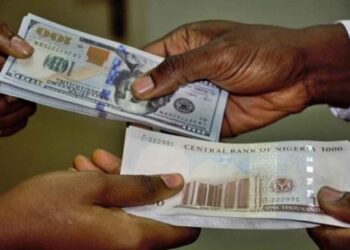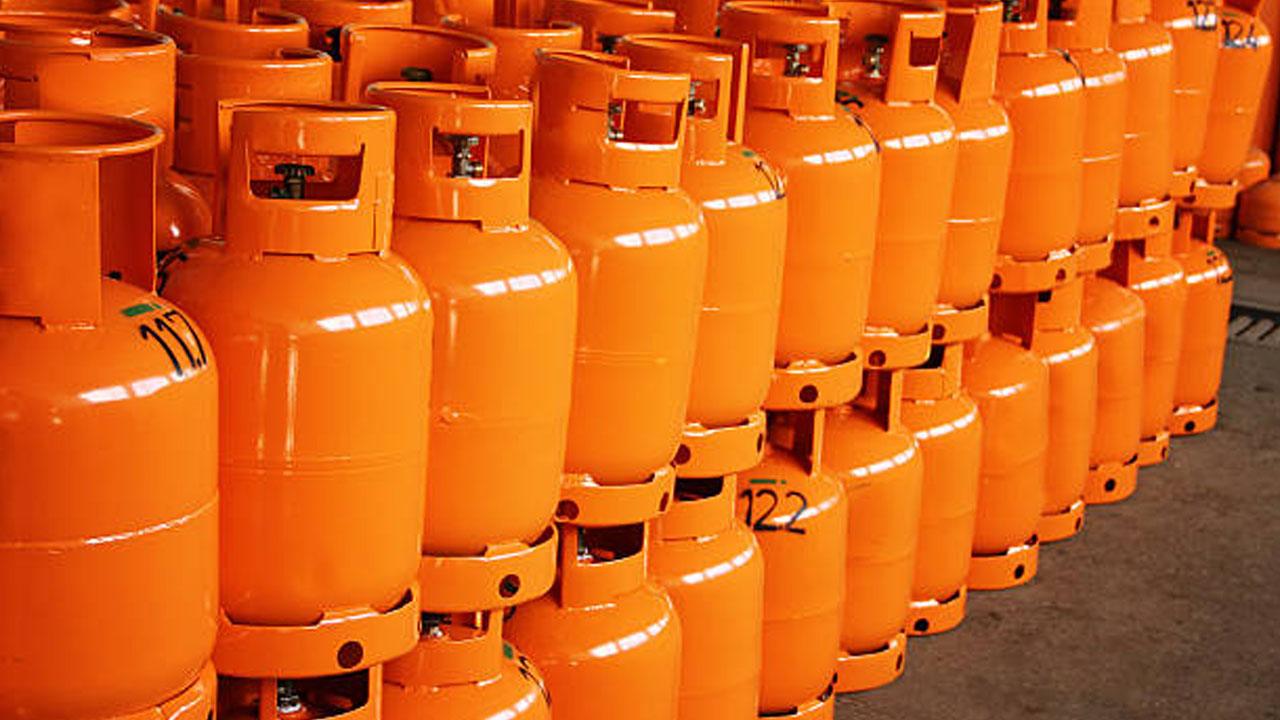
The price of liquefied petroleum gas (LPG), commonly known as cooking gas, has skyrocketed across Nigeria, with retailers now charging up to ₦1,400 per kilogram, a staggering 40% jump from around ₦1,000 just last week.
This surge is directly tied to supply disruptions stemming from the intensifying crisis in the Middle East, where recent U.S.-Israeli strikes on Iranian targets have rattled international oil and gas markets, pushing up costs for importers and consumers alike.
The ex-depot price for LPG has climbed to approximately ₦18 million per 20 metric tons, up from ₦15.95 million the previous week, according to industry sources. Marketers attribute this to a ripple effect from global volatility: the conflict has disrupted crude oil flows through the Persian Gulf, elevating benchmark prices for petroleum products worldwide.
Nigeria, despite being Africa’s largest oil producer, relies heavily on imports for a significant portion of its LPG needs due to insufficient domestic processing capacity and infrastructural bottlenecks. As a result, fluctuations in international prices—exacerbated by foreign exchange rates—quickly translate into higher local costs.
In major cities like Lagos and Abuja, the impact is already palpable. A standard 12.5 kg cylinder refill, a staple for many urban households, now ranges from ₦17,000 to ₦19,500 in areas such as Garki and Wuse, marking a 25% increase in just days.
Vendors report scrambling to adjust to depot hikes, with major distributors like NIPCO Plc quoting ₦950 per kilogram, Navgas Limited at ₦900, and Techno Oil at ₦885—though these figures appear to reflect earlier adjustments before the latest spike fully took hold. “The Middle East tensions are hitting us hard,” said Inyang Edu, a marketer in Lagos, confirming the depot price surge and warning of potential further increases if the crisis persists.
This isn’t isolated to cooking gas; the broader energy sector is feeling the strain. Petrol prices have risen to ₦939 per liter from ₦837, with fears it could breach ₦1,000 soon, while diesel has jumped to ₦1,300 per liter from ₦1,200.
Nigeria’s Bonny Light crude has also climbed to $80 per barrel from $70, reflecting the global uptick. Analysts point to the U.S.-Israel-Iran conflict as the primary culprit, with retaliatory actions unsettling key supply routes and prompting force majeure declarations in some LNG contracts, further spiking global prices.
For millions of Nigerians, particularly in low-income households where cooking gas has become a preferred alternative to kerosene or firewood amid environmental and health concerns, this hike compounds existing economic pressures.
Industry experts warn that prolonged instability in the Middle East could sustain these elevated prices, urging diversification of energy sources and boosted local production to shield the economy.
As the situation evolves, Nigerians brace for what could be a prolonged period of energy cost volatility, highlighting once again how distant geopolitical conflicts can deliver direct blows to everyday life in Africa’s most populous nation.
WHAT YOU SHOULD KNOW
Nigeria’s cooking gas prices have surged sharply, with retail rates now around ₦1,400 per kg (up 40% in one week), directly driven by escalating Middle East tensions disrupting global LPG supply and pushing international prices higher.
Distant geopolitical conflict in the Middle East is once again delivering a painful, immediate cost-of-living hit to millions of Nigerian households that rely on cooking gas.