
The National Assembly of Nigeria has highlighted sweeping reforms introduced in the Electoral Act 2026, including mandatory electronic transmission of results, compulsory use of the Bimodal Voter Accreditation System (BVAS), the creation of a dedicated funding structure for the Independent National Electoral Commission (INEC), and stricter regulatory measures for political parties.
Leader of the Senate, Opeyemi Bamidele, disclosed the details in a statement issued by the Directorate of Media and Public Affairs in his office.

He explained that the updated electoral framework was the outcome of two years of extensive consultations involving INEC, the Office of the Attorney General of the Federation (OAGF), civil society organisations, and development partners.
According to Bamidele, lawmakers reconciled differences in the Electoral Bill 2026 passed by both chambers, particularly Clause 60(3), before transmitting the harmonised version to Bola Tinubu for assent. He noted that the move was aimed at preventing any constitutional complications ahead of preparations for the 2027 general elections.
President Tinubu signed the bill into law within 24 hours, bringing to a close what legislators described as a comprehensive two-year reform process.
Financial Autonomy for INEC
Bamidele stated that Section 3 of the Act establishes a special fund for INEC to safeguard its financial independence, operational consistency, and administrative stability. The legislation mandates the release of election funds at least six months before a general election.
The law also broadens INEC’s authority, empowering the commission to review and potentially nullify result declarations made under duress or in breach of laid-down procedures.
Technology-Driven Electoral Process
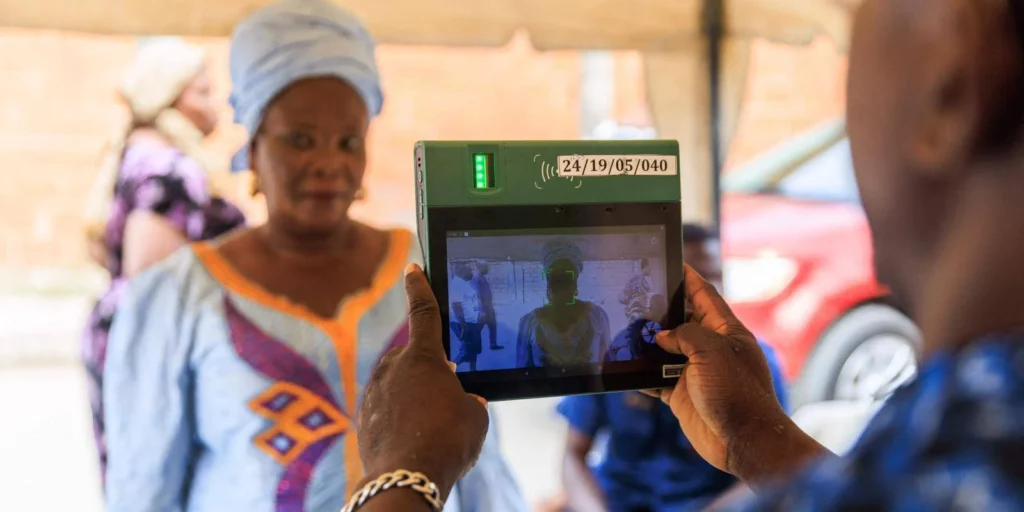
The Electoral Act 2026 deepens the integration of technology into Nigeria’s voting system. Section 47 makes it compulsory for presiding officers to deploy BVAS or any other technological device prescribed by INEC for voter accreditation.
Section 60(3) mandates the electronic transmission of results to the INEC Result Viewing Portal (IReV). Section 60(6) prescribes sanctions for non-compliance, including a six-month jail term or a ₦500,000 fine—or both—for any presiding officer who deliberately frustrates the electronic upload of results.
Bamidele clarified that although IReV enhances transparency by allowing public access to uploaded polling unit results, it does not function as a collation platform. The law further permits the use of Form EC8A in situations where electronic transmission fails due to network or communication challenges.
Sanctions and Administrative Provisions
The Act introduces stiffer penalties for electoral infractions. Section 74(1) requires Resident Electoral Commissioners (RECs) to release certified true copies of requested documents within 24 hours after payment. Failure to comply attracts a minimum two-year prison sentence without the option of a fine.
Section 72(2) provides that where INEC fails to issue a certificate of return, a certified true copy of a court judgment declaring a candidate winner shall suffice for swearing-in.
Under Section 125(1-2), offences such as vote buying, impersonation, and result manipulation attract a two-year jail term or fines ranging between ₦500,000 and ₦2 million, or both.
Reforms to Party Primaries
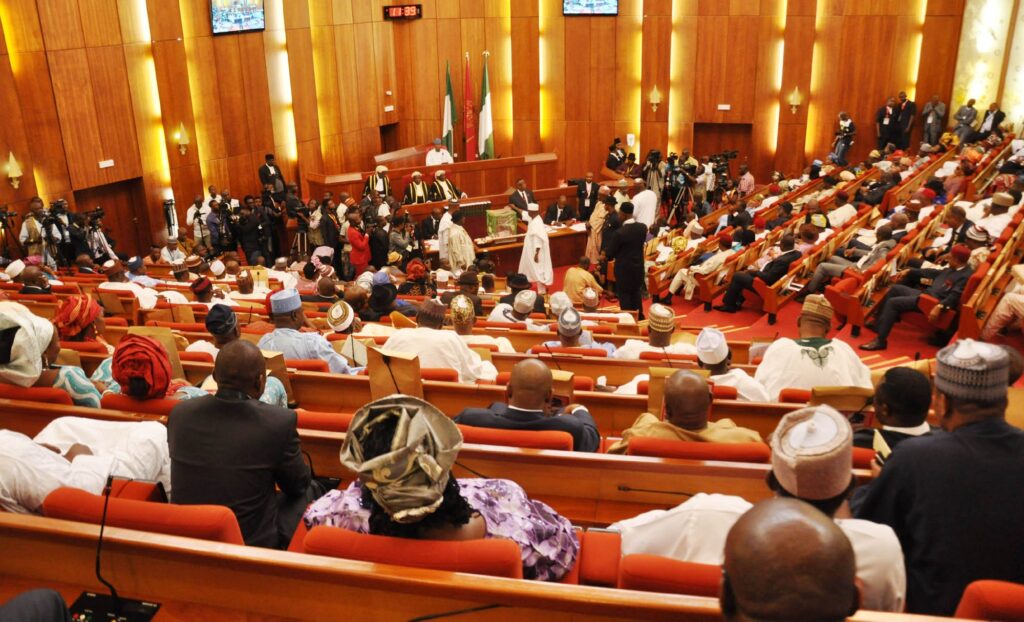
The new law abolishes indirect primaries and retains only direct and consensus methods under Section 84(1-2).
Section 77(1-7) requires political parties to maintain a digital register of members, issue membership cards, and submit the register to INEC at least 21 days before conducting primaries, congresses, or conventions. Parties that fail to comply risk being barred from fielding candidates in the affected election.
Revised Campaign Spending Limits
Section 92(1-8) significantly increases campaign finance ceilings:
- Presidential candidates: ₦10 billion (from ₦5 billion)
- Governorship candidates: ₦3 billion (from ₦1 billion)
- Senate candidates: ₦500 million
- House of Representatives: ₦250 million
- House of Assembly: ₦100 million
- Area Council: ₦60 million
- Councillorship: ₦10 million
The Act also imposes a ₦10 million fine on any political party that fails to submit accurate audited financial returns within the stipulated timeframe.
Inclusion Measures
To promote inclusivity, Section 49 provides for gender-separated queues in communities where cultural practices require them. Section 54 establishes structured support mechanisms for persons with visual impairment to enhance accessibility during elections.
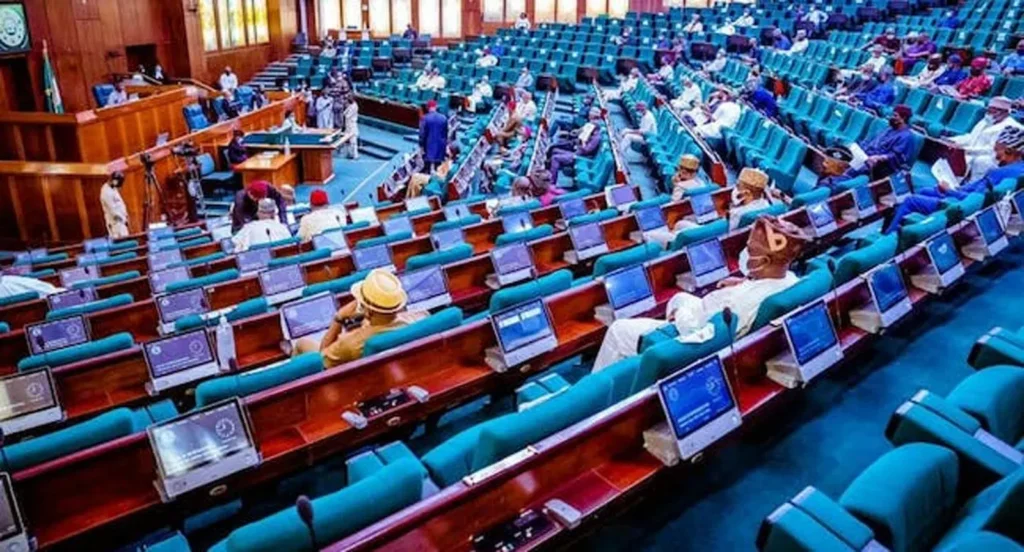
Bamidele described the Electoral Act 2026 as a consolidation of Nigeria’s electoral governance structure, aimed at strengthening INEC’s independence, improving transparency, enhancing technological integration, and reinforcing accountability ahead of the 2027 general elections.
What You Should Know
The Electoral Act 2026 introduces mandatory electronic transmission of results and compulsory BVAS usage, establishes a dedicated fund to guarantee INEC’s financial autonomy, tightens penalties for electoral offences, eliminates indirect party primaries, raises campaign spending limits, and expands inclusion measures.
The law was harmonised by the National Assembly and signed by President Bola Tinubu ahead of preparations for the 2027 general elections.