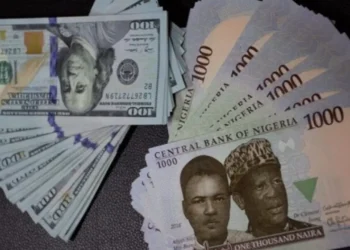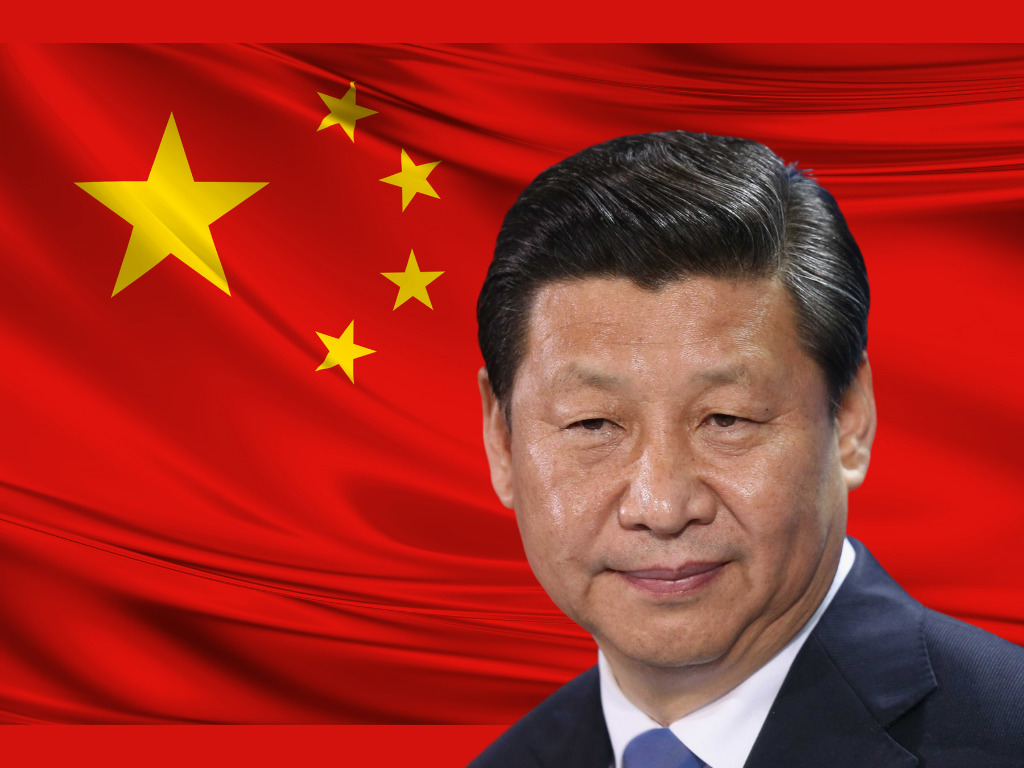
China unveiled a landmark trade initiative on Saturday that will eliminate tariffs on imports from 53 African nations beginning May 1, 2026.
The zero-tariff treatment will apply to all African countries maintaining diplomatic relations with Beijing, state media reported, potentially opening Chinese markets to a wider array of African agricultural products, raw materials, and manufactured goods.
The policy represents a substantial escalation of China’s economic engagement with the continent, where it has steadily increased its footprint over the past two decades through infrastructure investments, loans, and trade agreements.
The announcement comes as major economies worldwide compete for stronger commercial relationships with Africa, a continent of 1.4 billion people experiencing rapid demographic growth and increasing economic potential. China has positioned itself as Africa’s largest bilateral trading partner, with trade volumes reaching approximately $167 billion in 2024, though recent years have seen some fluctuation in these figures.
Beyond the tariff elimination, Chinese authorities indicated they would pursue a multi-pronged strategy to deepen commercial integration. State television reports outlined plans to accelerate negotiations on joint economic partnership agreements with individual African nations, suggesting Beijing aims to formalize these trade relationships through comprehensive bilateral frameworks.
The Chinese government also pledged to expand market access through enhanced “green channel” mechanisms—expedited customs clearance procedures designed to speed the flow of perishable goods and time-sensitive products into Chinese markets. Such channels have previously been used to facilitate imports of agricultural products, though their effectiveness has varied across different African exporters.
For African nations, the zero-tariff policy could provide significant opportunities to diversify their export portfolios and reduce dependency on traditional Western markets. However, analysts note that African countries may face challenges in meeting Chinese quality standards, navigating regulatory requirements, and scaling production to serve the massive Chinese market effectively.
The timing of the announcement is notable, as it coincides with ongoing global trade tensions and comes as developing nations seek to leverage relationships with multiple major powers to maximize economic benefits. Critics of China’s African engagement have long raised concerns about debt sustainability and the terms of Chinese financing, though Beijing consistently frames its involvement as mutually beneficial South-South cooperation.
The policy’s implementation on May 1, 2026, gives African exporters and Chinese importers several months to prepare for the new trade environment, potentially allowing businesses to establish supply chains and distribution networks ahead of the tariff elimination.
WHAT YOU SHOULD KNOW
China is eliminating all tariffs on imports from 53 African nations starting May 1, 2026—a major strategic move that strengthens Beijing’s position as Africa’s top trading partner and intensifies global competition for economic influence on the continent.
This policy could significantly boost African exports to China, though success will depend on African countries’ ability to meet Chinese market standards and scale production effectively.