Nigeria has endorsed the proposed institutional reforms of the African Union (AU), supporting measures aimed at strengthening peace and security governance across the continent.
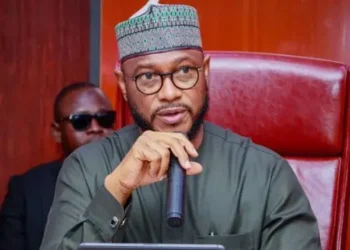
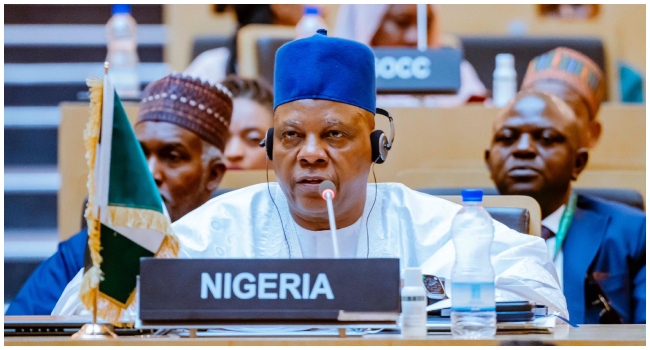
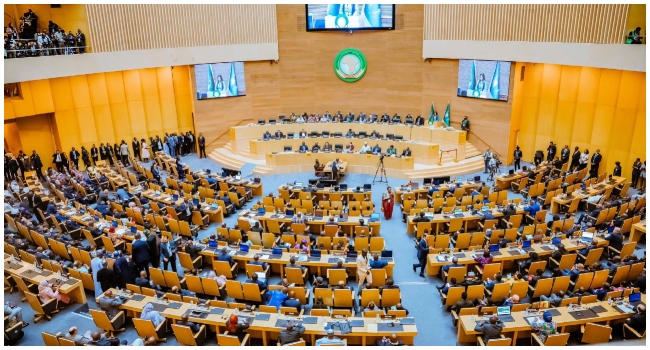
The endorsement was presented on Saturday by Vice President Kashim Shettima, who represented President Bola Tinubu at the closed session of the 39th Ordinary Session of the Assembly of Heads of State and Government held in Addis Ababa, Ethiopia.
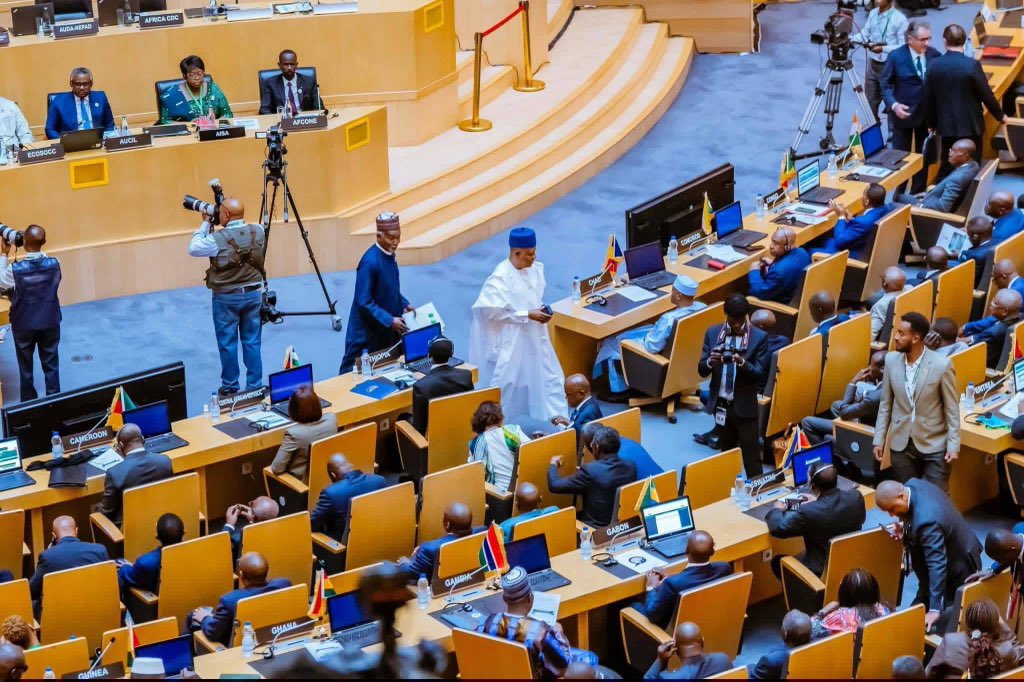
Shettima said Nigeria supports reforms focused on improving peace and security governance, strengthening democratic institutions, and enhancing cooperation with international financial institutions and the private sector.
According to him, deepening democratic systems and fostering stronger collaboration with global financial bodies and private investors are essential for Africa to become more competitive.
The proposed restructuring plans are designed to boost domestic and regional resource mobilisation to ensure affordable and sustainable development financing across the continent.
They also advocate adopting a continental framework to reduce inequality, anchored on credible data systems, stronger social protection mechanisms, the creation of productive jobs, and inclusive industrial policies.
Shettima emphasised that reinforcing governance structures within the AU is vital to tackling persistent security challenges and promoting democratic stability among member states.
He further stressed the importance of building resilient institutions capable of responding effectively to emerging threats while advancing economic transformation.
The Vice President added that stronger partnerships between African governments, global financial institutions, and the private sector are necessary to unlock investment opportunities and accelerate inclusive growth.
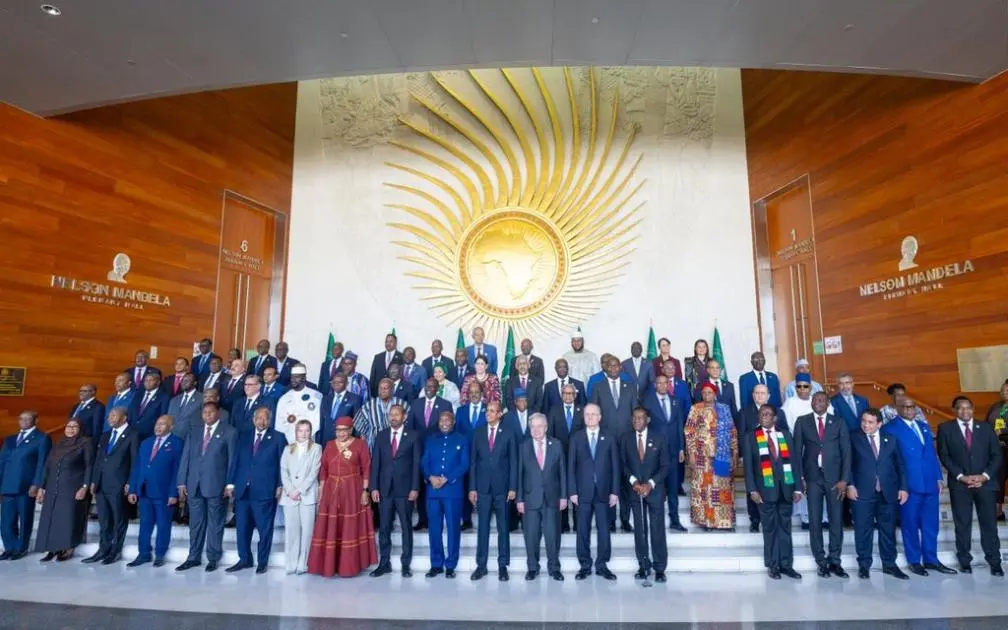
The 39th Ordinary Session brought together African leaders to deliberate on reforms aimed at repositioning the AU as a more efficient, accountable, and development-driven institution amid increasing calls for sustainable financing and coordinated continental action.
Leaders of global and regional bodies, including United Nations Secretary-General Antonio Guterres, attended the opening session.
Calls for Peace in the Horn of Africa
During the summit, Guterres addressed tensions in the Horn of Africa following renewed fighting in northern Ethiopia that has raised fears of another regional conflict potentially involving neighbouring Eritrea.
“Ethiopia and Eritrea are two neighbours and two countries that have had a common past struggle,” he said.
“My strong hope is that the two countries will be able to reconcile and will be able to, with that, contribute to the peace and stability on the continent,” he added.
Eritrea gained independence in 1993 after decades of armed struggle against Ethiopia. The two countries later fought a border war between 1998 and 2000 that claimed tens of thousands of lives.
Although both governments cooperated against rebels from Ethiopia’s Tigray region during the 2020–2022 conflict, relations reportedly deteriorated over the peace agreement from which Eritrea was excluded.
What you should know
Nigeria has endorsed proposed African Union reforms focused on strengthening peace and security governance, democratic institutions, and development financing.
Vice President Kashim Shettima presented the country’s position at the 39th AU Assembly in Addis Ababa.
The summit also featured calls by UN Secretary-General Antonio Guterres for reconciliation between Ethiopia and Eritrea to ensure stability in the Horn of Africa.