In a sweeping initiative that signals a fundamental shift in global trade strategy, the United States has unveiled plans to establish an international coalition aimed at challenging China’s near-monopoly control over the critical minerals that power modern technology and military hardware.
The State Department convened the inaugural Critical Minerals Ministerial on Wednesday, drawing representatives from major economies including the United Kingdom, the European Union, Japan, India, South Korea, Australia, and the mineral-rich Democratic Republic of Congo.
The gathering comes as Washington intensifies efforts to reduce Western dependence on Beijing for materials essential to manufacturing everything from smartphones and computer chips to electric vehicle batteries and advanced weaponry.
While Vice President JD Vance and Secretary of State Marco Rubio carefully avoided naming China in their official remarks, the target of this diplomatic offensive was unmistakable. Vance’s reference to “foreign supply” flooding global markets—a strategy that has undercut competitors and deterred investment in alternative sources—left little doubt about which nation’s practices prompted this coordinated response.
The administration’s approach combines carrots and sticks. Vance announced plans to deploy tariffs designed to prevent critical mineral prices from plummeting to levels that discourage new mining ventures. Meanwhile, David Copley, a special assistant to President Trump, revealed that Washington intends to mobilize “hundreds of billions of capital” to jumpstart domestic and allied mining operations. The government has already invested in companies such as MP Materials, a rare earth magnet manufacturer, and Lithium Americas, which produces lithium essential for rechargeable battery technology.
US Trade Representative Jamieson Greer disclosed that American, Japanese, and European officials are developing “coordinated trade policies and mechanisms” to ensure collective access to these strategic resources—a multilateral framework that could reshape global supply chains for decades to come.
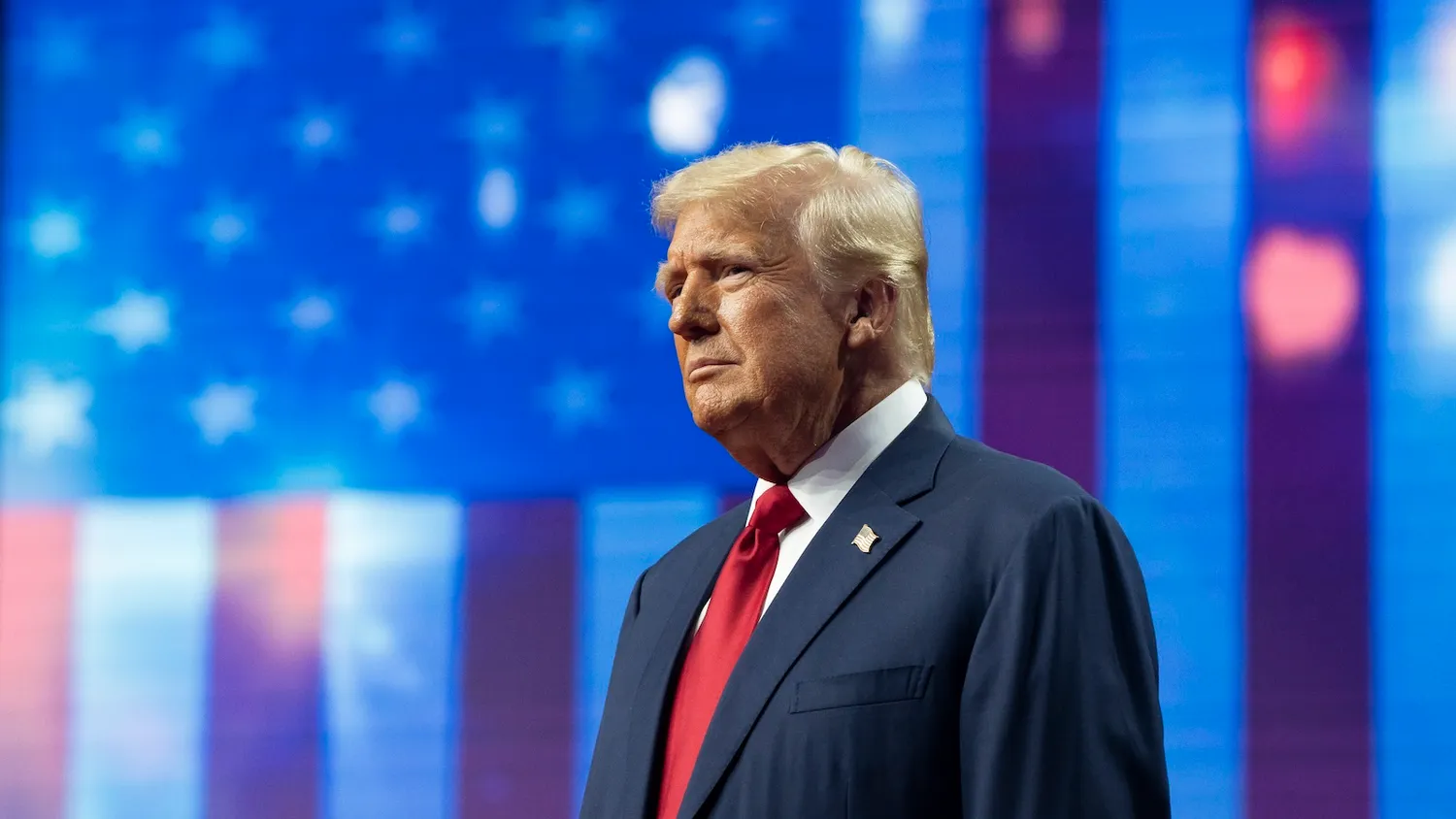
The timing of Wednesday’s ministerial meeting was particularly notable, coinciding with a phone conversation between President Trump and Chinese President Xi Jinping that Trump characterized as “very positive.” This diplomatic dance reflects the delicate balance Washington must strike: confronting Beijing’s economic leverage while maintaining channels for dialogue on trade and other contentious issues.
Beijing’s response was measured but pointed. A Chinese Foreign Ministry spokesperson urged countries to “follow the principles of market economy and international economic and trade rules” while emphasizing the need for “communication and dialogue”—a thinly veiled criticism of what China views as protectionist measures disguised as national security concerns.
The stakes could hardly be higher. China currently dominates the mining and processing of rare earth elements and other critical minerals, having methodically built this advantage over decades through strategic investments and vertical integration. Beijing has demonstrated willingness to weaponize this dominance, tightening export controls in October in what analysts interpreted as retaliation for US technology restrictions. Though those stricter measures were subsequently eased, the message was clear: China holds significant leverage in any trade confrontation.
The announcement of “Project Vault,” a nearly $12 billion critical mineral reserve unveiled by Trump on Monday, underscores the administration’s determination to create strategic buffers against potential Chinese supply disruptions. Industry leaders have welcomed the initiative. “It’s critical to see the United States take decisive steps to shore up our supply of all kinds of minerals and rare earths,” said Wade Senti, president of Advanced Magnet Lab, echoing sentiments across sectors dependent on these materials.
As delegates left Wednesday’s ministerial meeting, the contours of a new era in resource geopolitics had become clear. Whether this American-led coalition can successfully diversify global supply chains away from Chinese dominance remains an open question—one that will likely define economic and security relationships among major powers for years to come. What is certain is that the battle for control over the minerals powering the 21st-century economy has entered a decisive new phase.
WHAT YOU SHOULD KNOW
The US is forming an international alliance with major economies to break China’s dominance over critical minerals essential for technology and weapons manufacturing.
Washington plans to invest hundreds of billions in alternative mining operations and use tariffs to protect prices, while China—which controls most global supply—has already shown willingness to restrict exports as leverage in trade disputes.
This marks a major shift in global resource competition, with both superpowers using mineral access as a bargaining chip while maintaining diplomatic dialogue.