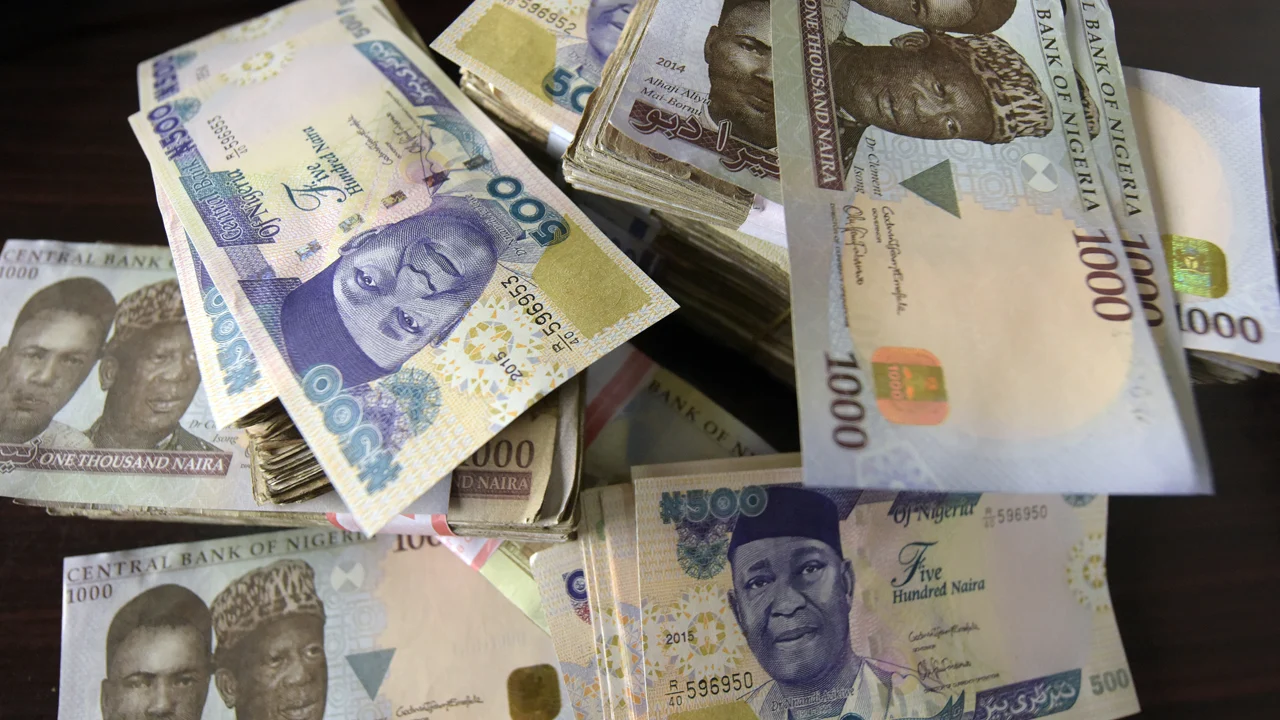
Nigeria’s naira began 2026 on a remarkably positive trajectory, posting its strongest January performance in recent memory as the currency gained ground against the dollar across both official and parallel markets while the nation’s foreign exchange reserves climbed to levels not seen since 2018.
The local currency closed January trading at ₦1,391 to the dollar in the official market, marking a 2.8% appreciation from its opening rate of ₦1,431 at the month’s start, according to data from the Central Bank of Nigeria’s website. The performance extends a recovery trend that began materializing in late 2025, offering Nigerian businesses and consumers a measure of relief after years of currency volatility.
The naira’s recent strength becomes even more pronounced when viewed against longer timeframes. Compared to January 2025, when the currency ended at ₦1,475 per dollar, this year’s closing rate represents a significant year-on-year gain of approximately 5.7%. More striking still is the annual comparison: the naira stood at N1,535 to the dollar on the final trading day of 2024, meaning the currency has appreciated 9.4% over the past thirteen months.
Market observers note that the naira traded predominantly below the ₦1,425 threshold throughout January, a consistency that suggests the gains reflect genuine improvements in market fundamentals rather than temporary fluctuations.
Perhaps equally telling is the naira’s performance in the parallel market, where it strengthened from ₦1,474 at the month’s opening to close at ₦1,453 per dollar. This narrowing differential between official and black market rates—currently standing at approximately 4.3%—indicates diminishing speculative pressure and growing confidence in the official foreign exchange system.
Currency analysts have long pointed to wide gaps between official and parallel rates as evidence of market distortions and lack of confidence in official channels. The current convergence suggests that foreign exchange availability has improved sufficiently to reduce the premium traders are willing to pay in informal markets.
Underpinning the naira’s improved performance is a steady buildup in Nigeria’s external reserves, which climbed from $45.56 billion at the beginning of January to $46.11 billion by month’s end. According to financial data platform Nairametrics, this marks the first time in approximately eight years that reserves have exceeded the $46 billion threshold.
The reserve accumulation, which has been building momentum since 2025, provides the Central Bank with enhanced firepower to manage foreign exchange supply and intervene during periods of market stress. This growing buffer is particularly crucial for an import-dependent economy like Nigeria’s, where dollar availability directly impacts everything from fuel prices to manufacturing costs.
Central Bank officials have previously emphasized that maintaining adequate reserves is essential not only for currency stability but also for preserving investor confidence and meeting the country’s international payment obligations.
While the data paints an encouraging picture, economists caution against complacency. Nigeria continues to grapple with elevated inflation, which erodes purchasing power even as the naira gains against the dollar. Additionally, the country remains vulnerable to external shocks, including fluctuations in global oil prices—still the primary source of foreign exchange earnings—and potential shifts in international capital flows.
The global economic environment also presents uncertainties, with major central banks navigating their own policy challenges and geopolitical tensions creating volatility in commodity markets.
Nevertheless, the combination of currency appreciation, reserve growth, and market stability offers Nigeria’s monetary authorities their strongest hand in years. Whether this momentum can be sustained through 2026 will depend on continued prudent policy management, sustained oil revenue, and the government’s ability to diversify foreign exchange sources beyond petroleum exports.
For now, businesses and households can take some comfort in a naira that appears, at least temporarily, to have found firmer footing.
WHAT YOU SHOULD KNOW
Nigeria’s naira has begun 2026 with its strongest performance in years, appreciating nearly 6% year-over-year to close January at ₦1,391/$. The real story here is the country’s foreign exchange reserves hitting $46.11 billion—the highest level in eight years—giving the Central Bank crucial ammunition to defend the currency.
The narrowing gap between official and black market rates signals genuine market confidence, not just temporary gains. While inflation and oil price volatility remain risks, Nigeria enters 2026 with its most stable currency position in recent memory, backed by the strongest reserve buffer since 2018.