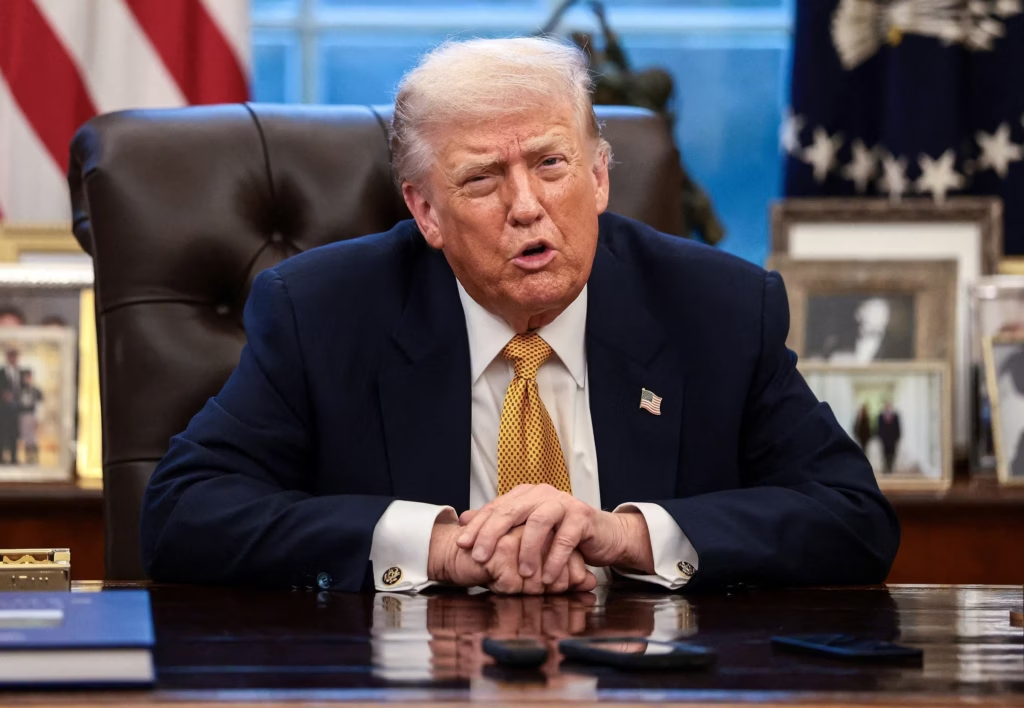
US President Donald Trump on Monday sent his top border enforcement official to Minnesota in an effort to regain control of a rapidly escalating crisis triggered by the second fatal shooting of a protester opposing his administration’s militarised immigration raids.
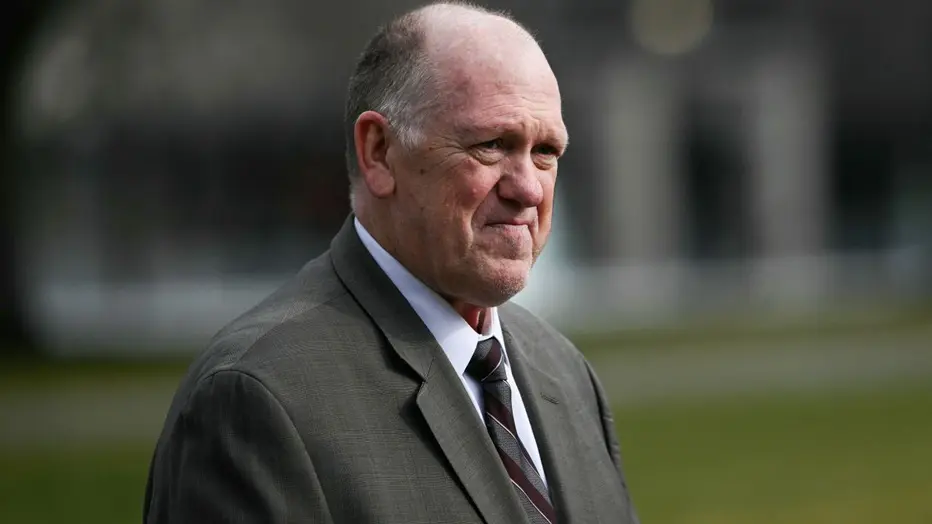
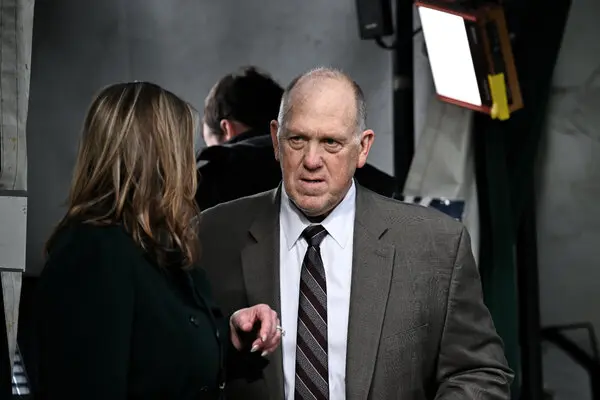
Trump announced that Tom Homan, his chief point man on border security, would arrive in the state later in the day and “will report directly to me.”
Minneapolis has emerged as the epicentre of a growing national confrontation between the Trump administration and Americans protesting its sweeping immigration crackdown.
Trump’s deputy attorney general, Todd Blanche, described the city on Fox News as a “powder keg”.
Immigration and Customs Enforcement (ICE), which operates under the Department of Homeland Security (DHS), has been dramatically expanded under Trump into the country’s most heavily funded law enforcement agency. However, opinion polls show rising public anger over what critics describe as its increasingly aggressive and often brutal methods.
Despite freezing temperatures, thousands gathered in Minneapolis on Friday to protest the raids and the point-blank killing of Renee Good, a 37-year-old mother of three, who was shot by an ICE agent on January 7.
Tensions deepened on Saturday when immigration agents shot dead Alex Jeffrey Pretti, also 37, after subduing him during a confrontation. Like Good, the intensive care unit nurse was a US citizen.
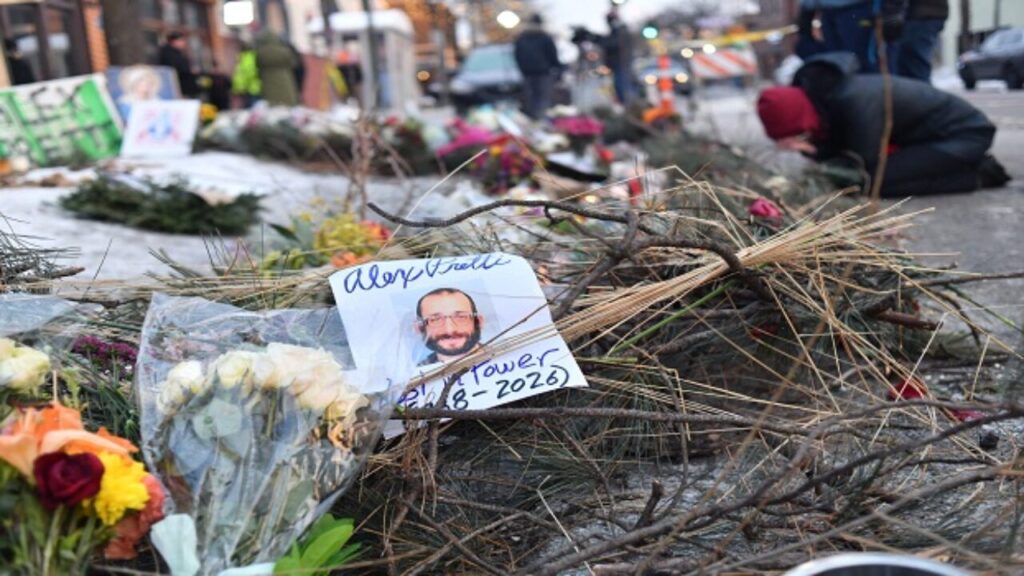
His killing sparked new protests and impassioned demands by local leaders for the Trump administration to end its operation in the city. (Photo by Octavio JONES / AFP)
Fresh demonstrations followed his death in Minneapolis, New York, and several other major cities.
The crisis widened further on Monday as a federal judge in Minneapolis heard arguments over whether the deployment of federal officers—often masked, heavily armed, and lacking clear identification—violates Minnesota’s sovereignty.
At the same time, congressional Democrats threatened to block funding for the federal government unless immigration enforcement agencies undergo reforms.
Trump Defends Tactics
Trump has brushed aside mounting criticism.
The 79-year-old Republican initially suggested that Pretti had intended to shoot at officers.
Although Pretti was carrying a pistol, reports indicate he never drew it and had apparently already been disarmed when he was shot multiple times at close range. He was legally licensed to carry the weapon.
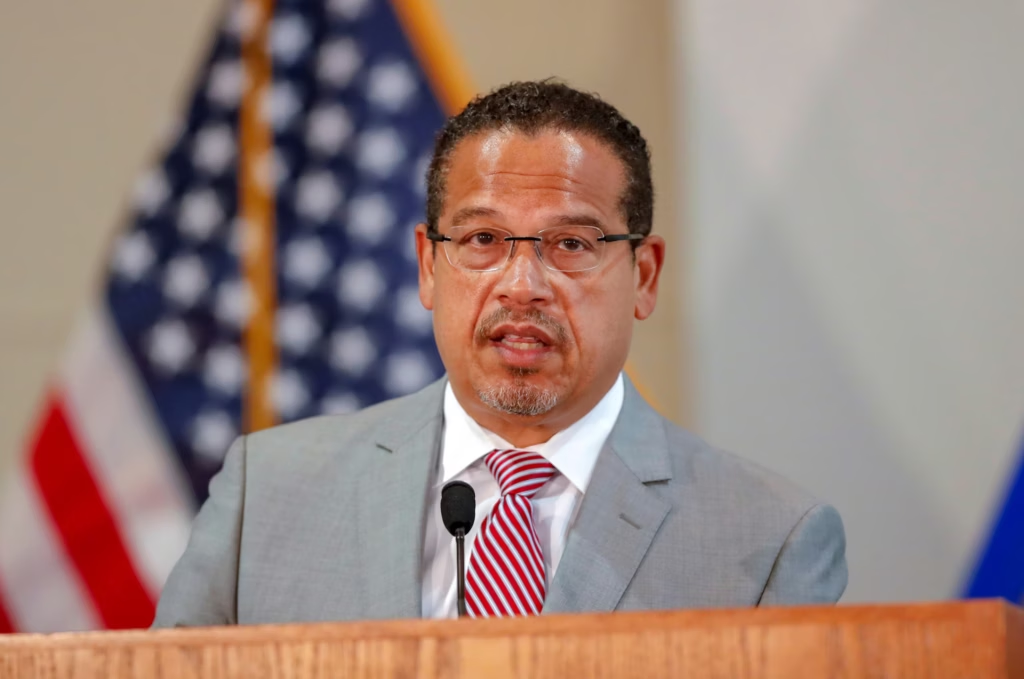
Minnesota Attorney General Keith Ellison on Sunday accused Trump of advancing a “flat-out insane” narrative.
Trump repeated his insinuation when speaking to The Wall Street Journal on Sunday, saying, “I don’t like any shooting… but I don’t like it when somebody goes into a protest and he’s got a very powerful, fully loaded gun.”
White House spokeswoman Karoline Leavitt suggested Homan’s mission would not focus on Pretti’s killing but instead centre on arresting “criminal illegal aliens” and addressing alleged fraud involving Somali immigrants—claims critics say have fuelled racial tensions.
Blanche told Fox News that “it is extraordinarily important that we do not jump to conclusions,” while characterising the incident as “a very violent altercation.”
Republican Criticism
During Monday’s court proceedings, judges heard arguments from state and city attorneys who contend that the federal deployment resembles an occupying force. Also under review was a request compelling federal authorities to preserve evidence connected to Pretti’s death.
The legal actions underscore widening fractures between federal agencies and local law enforcement over the operation, known as “Operation Metro Surge”.
Trump’s immigration raids have largely targeted Democratic-led cities, intensifying clashes with mayors and governors.
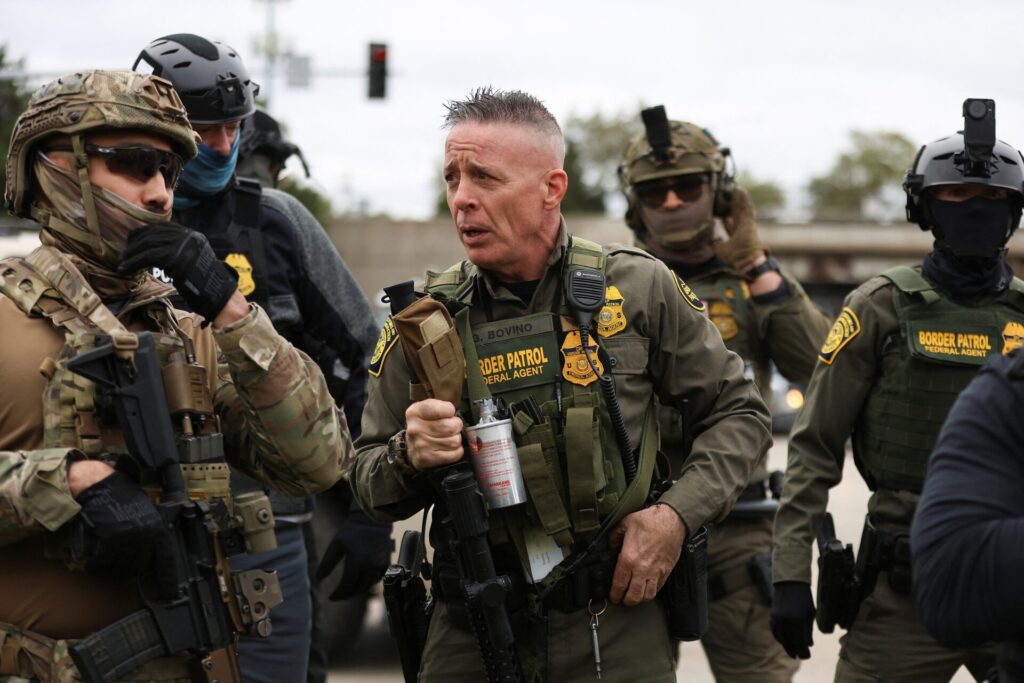
Local police have confronted federal agents, while Minnesota Governor Tim Walz has suggested the possibility of deploying the National Guard to counter federal forces.
Trump is also facing rare signs of unease within his own party. Republicans hold only a narrow majority in Congress, and cracks are beginning to show.
One notable warning came from House Oversight Committee chairman James Comer, who on Sunday indicated that federal agents should withdraw from Minneapolis—an extraordinary stance for a lawmaker considered one of Trump’s strongest allies.
Trump told The Wall Street Journal that immigration agents would leave Minneapolis “at some point.”
What you should know
The crisis in Minnesota highlights a deepening national divide over immigration enforcement under President Trump.
Minneapolis has become a flashpoint following the fatal shootings of two US citizens during protests against ICE operations. While the administration insists on maintaining aggressive tactics to combat illegal immigration, critics argue that federal deployments undermine civil liberties, state authority, and public trust.
Legal challenges, public protests, and growing political dissent—both from Democrats and within Republican ranks—suggest that immigration policy may dominate the national debate in the coming weeks, with potential consequences for governance, security, and social cohesion.