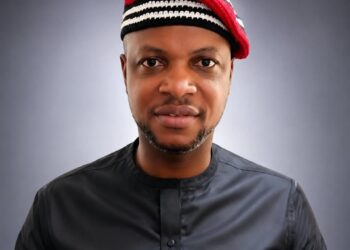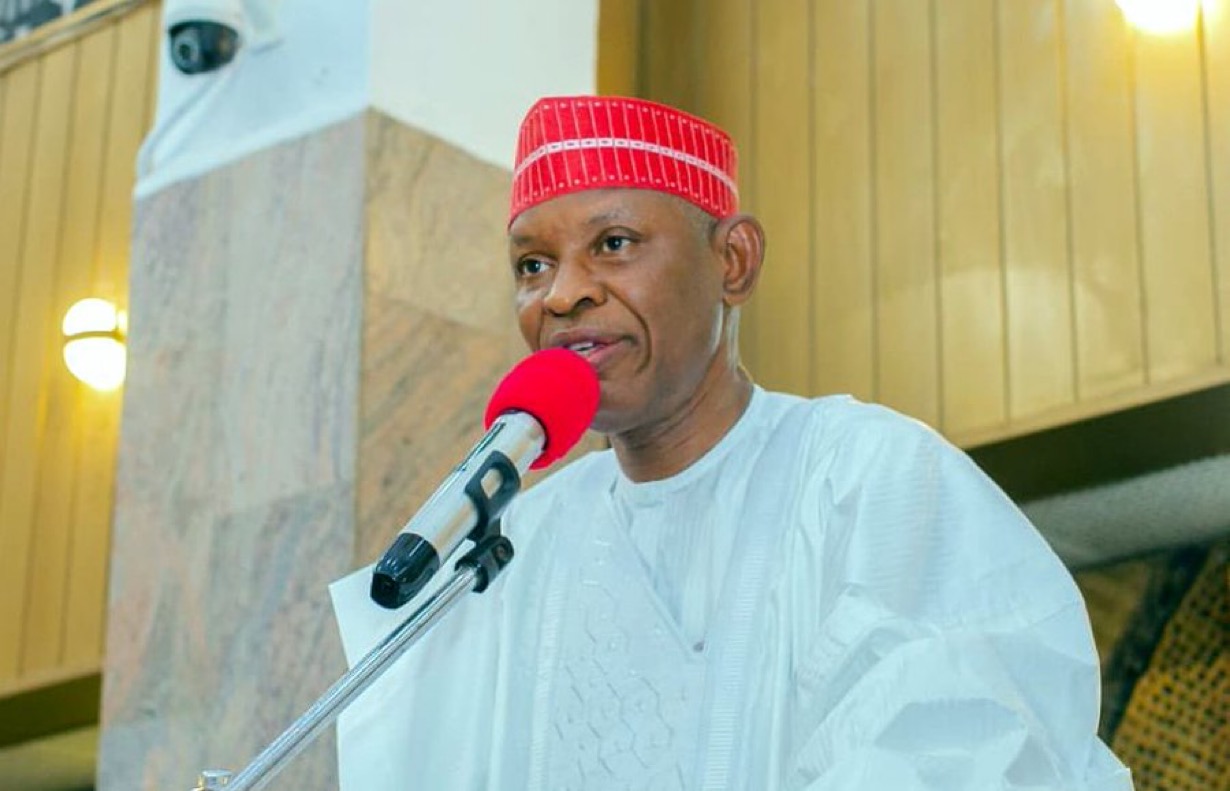
Kano State Governor, Abba Yusuf, is preparing to formally rejoin the All Progressives Congress (APC) on Monday, January 26, 2026, days after announcing his resignation from the New Nigeria Peoples Party (NNPP).
The plan was confirmed in a statement released on Sunday by the governor’s spokesperson, Bature Tofa. According to the statement, Yusuf’s move represents a return to the APC, the political platform he initially joined in 2014.
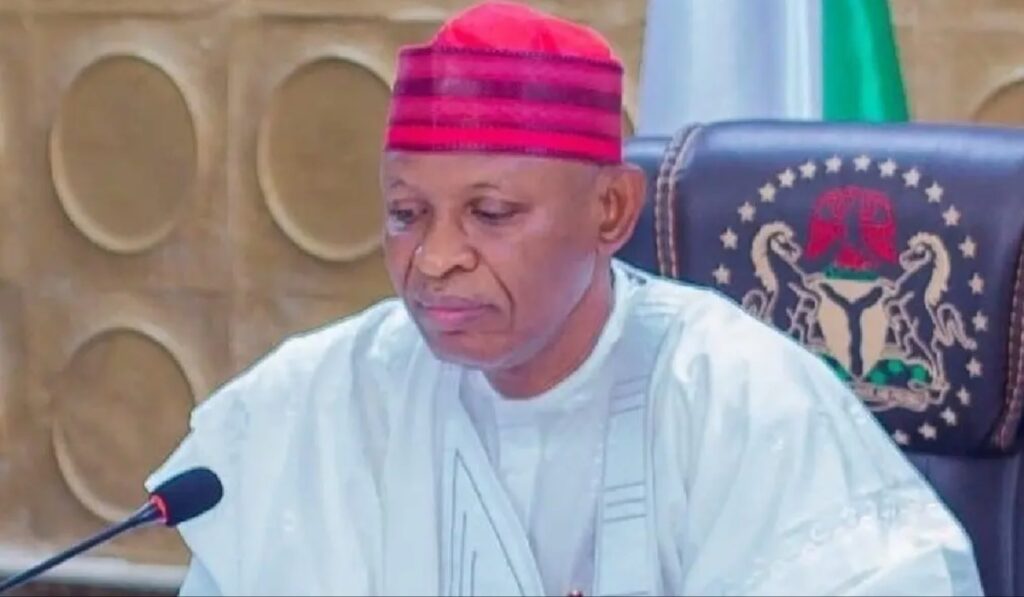
That year, he won the party’s primary election for the Kano Central Senatorial seat before stepping down in favour of Senator Rabiu Musa Kwankwaso.
The statement explained that the governor’s decision was shaped by “the prevailing realities of governance, national cohesion and development,” which made his return to the APC “both necessary and strategic.”
Governor Yusuf was quoted as saying the APC remains “a familiar and well-structured platform for progressive governance,” adding that his re-entry into the ruling party would improve collaboration with the Federal Government.
“By returning to the APC, we will be better positioned to accelerate infrastructural development, strengthen security coordination and improve service delivery across Kano State,” the governor said.
He further stated that the move would “consolidate political stability and unity in the state,” describing it as being in the best interest of Kano residents.
The statement also disclosed that Yusuf will formally register as an APC member in Kano on Monday alongside 22 members of the Kano State House of Assembly, eight members of the House of Representatives and all 44 local government chairmen in the state. He is also expected to officially launch the APC e-registration exercise in Kano during the event.
Meanwhile, the governor has relieved his Special Adviser on Political Matters, Sunusi Surajo, of his appointment, further intensifying the political shake-up in the state. The decision came barely a day after Yusuf announced his resignation from the NNPP.
Surajo, a former chairman of Madobi Local Government Area and a key figure within the Kwankwasiyya political structure, was replaced by a former aide to the governor’s predecessor and a former national chairman of the APC, Dr. Abdullahi Ganduje. The development is widely seen as a clear signal of the governor’s changing political direction.
Yusuf’s spokesperson, Sanusi Bature Dawakin-Tofa, confirmed the removal in a social media update, though no official reason was given for Surajo’s dismissal.
Sources within Government House said the move is part of a broader political recalibration following the governor’s exit from the NNPP, a party he accused of deep-seated internal instability and prolonged leadership disputes.
In his resignation letter addressed to the chairman of Diso-Chiranchi Ward in Gwale Local Government Area, Yusuf said his decision was aimed at safeguarding the collective interest of Kano residents amid what he described as persistent crises within the party.
“The NNPP has been engulfed by internal disagreements and legal battles that continue to undermine its unity across the country.
“These issues have weakened cohesion and distracted the party from its responsibility to the people,” the governor stated.
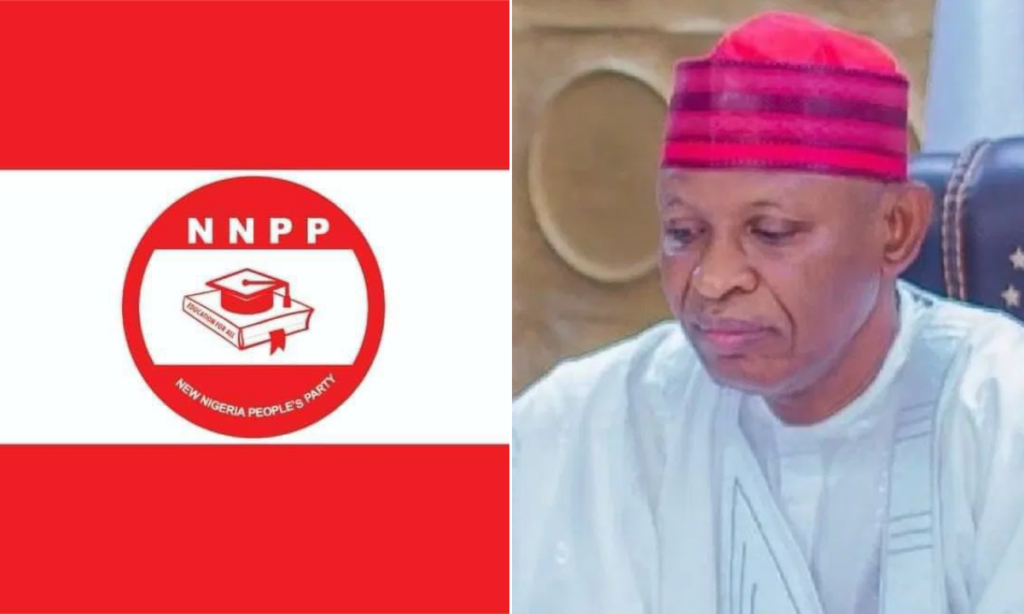
Yusuf’s departure from the NNPP has sparked a chain reaction of defections, with 44 local government chairmen, 22 members of the Kano State House of Assembly and eight federal legislators publicly reaffirming their loyalty to him.
However, the development has fractured the Kwankwasiyya political movement and left the state cabinet divided. A senior political source revealed that the Deputy Governor, Aminu Abdulssalam Gwarzo, has chosen to remain aligned with Senator Rabiu Musa Kwankwaso and will not defect alongside the governor.
What you should know
Governor Abba Yusuf’s planned return to the APC marks a major political realignment in Kano State, ending the NNPP’s hold on the state’s highest office barely three years after its electoral breakthrough.
The move underscores growing tensions within the Kwankwasiyya movement and highlights the influence of federal–state relations in shaping political decisions.
With mass defections from lawmakers and local government chairmen, the APC is set to regain dominant control of Kano’s political structure, though divisions remain, particularly with the deputy governor’s decision to stay loyal to Kwankwaso.