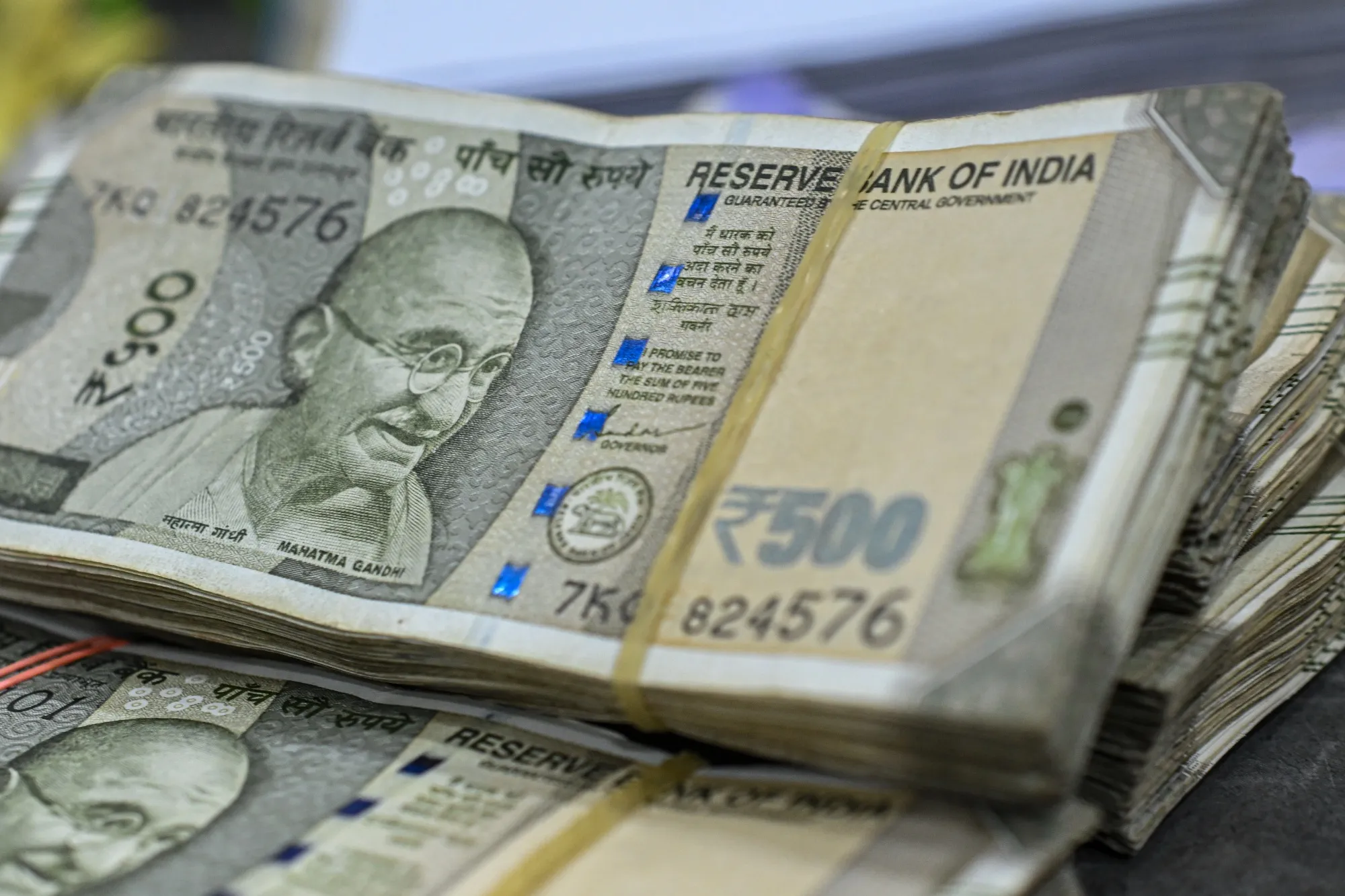
The Indian rupee tumbled to an unprecedented low against the US dollar on Friday, extending its losing streak as persistent demand for the greenback from corporate entities and importers overwhelmed any stabilizing forces in the foreign exchange market.
The local currency weakened to 91.77 per dollar during trading sessions, breaching the previous all-time low of 91.7425 recorded just two days earlier on Wednesday. The rupee declined approximately 0.2% over the course of the day’s trading, marking yet another setback in what has been a challenging period for India’s currency.
Market analysts attribute the renewed depreciation to sustained dollar buying pressure from two key sectors of the economy. Corporate treasurers have been actively securing dollars to meet overseas payment obligations, while importers—facing substantial foreign currency requirements for purchasing goods ranging from crude oil to electronic components—have stepped up their dollar procurement activities.
This dual demand has created a perfect storm for the rupee, nullifying any support that might have emerged from earlier trading patterns or intervention efforts. The currency’s vulnerability reflects broader concerns about India’s trade dynamics and the relative strength of the dollar in global markets.
The breach of successive record lows in such quick succession—with just 48 hours separating Wednesday’s and Friday’s milestones—signals an accelerating trend that has market participants closely watching the Reserve Bank of India‘s response. Currency traders remain on edge, anticipating whether monetary authorities will take more decisive action to stem the rupee’s slide or allow market forces to determine the exchange rate.
The depreciation carries significant implications for India’s import bill, particularly for energy and essential commodities, potentially adding to inflationary pressures in an economy still navigating the challenges of maintaining growth while controlling prices.
WHAT YOU SHOULD KNOW
The Indian rupee has fallen to a historic low of 91.77 against the dollar, driven primarily by heavy demand from companies and importers needing to pay for overseas purchases.
This marks the second record low in just three days, signaling accelerating weakness that could make imports more expensive and potentially fuel inflation across the economy.
The critical concern is whether India’s central bank will intervene to stabilize the currency or let market forces continue pushing it lower.