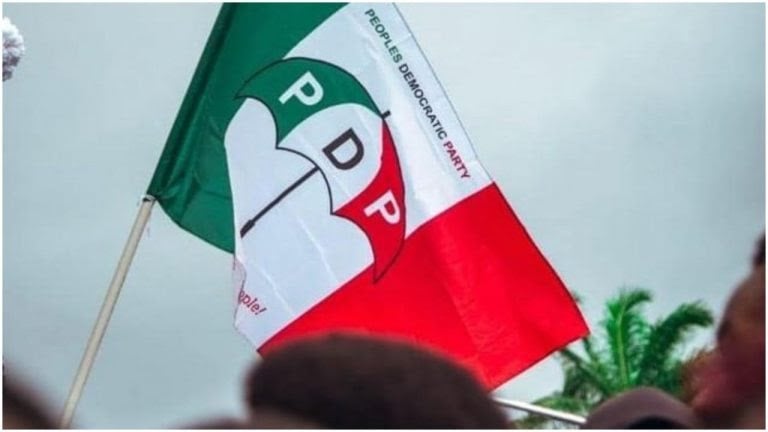
The Peoples Democratic Party has rejected claims suggesting it directed its members to pay ₦10,000 each to finance the party’s activities.
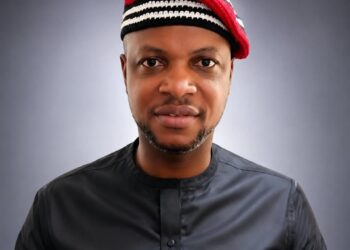
In a statement released on Sunday, the party’s spokesperson, Ini Ememobong, clarified that his earlier remarks, made while responding to a question on how the PDP intends to fund its operations following the defection of some governors, were taken out of context.
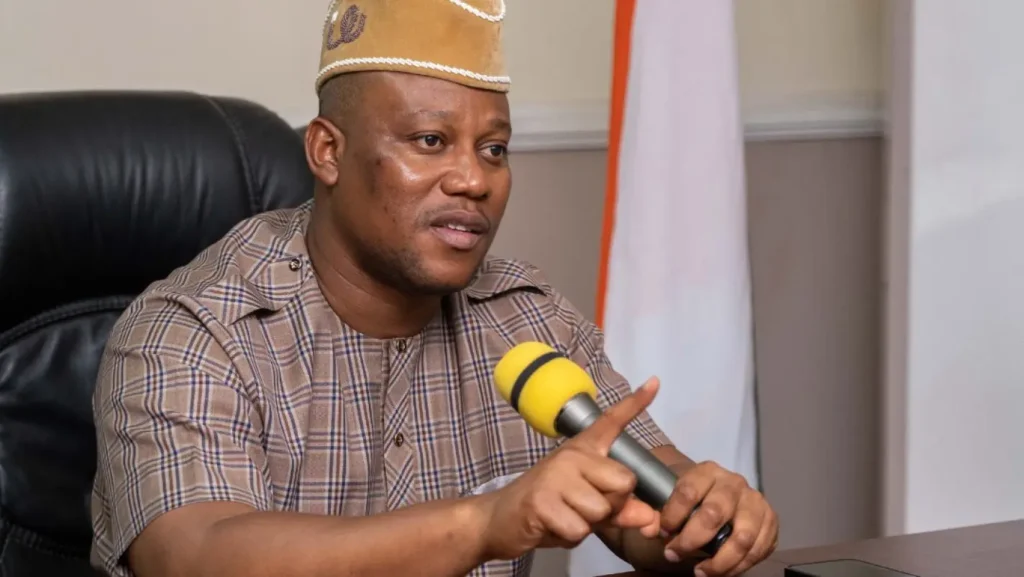
“The strategy is simple: go back to the people. When the people are with you voluntarily, they fund the cause. In 1998, people made small contributions to fund the party, and that gave them a voice,” Ememobong said.
“We are returning to that voluntary model. For example, if 60 million Nigerians each give ₦10,000, that’s a huge sum. We are already seeing this kind of mass support in states like Plateau and Akwa Ibom.”
He explained that although his remarks were correctly quoted in the body of the report, the headline distorted the intent and meaning of his comments.
According to Ememobong, the mention of ₦10,000 was meant only as an illustration to highlight the power of collective voluntary support, stressing that it was not an instruction, levy, or compulsory contribution imposed on party members.
“Let it be stated unequivocally: there is no fixed amount, no compulsory payment, and no obligation imposed on any member of the PDP,” he said.
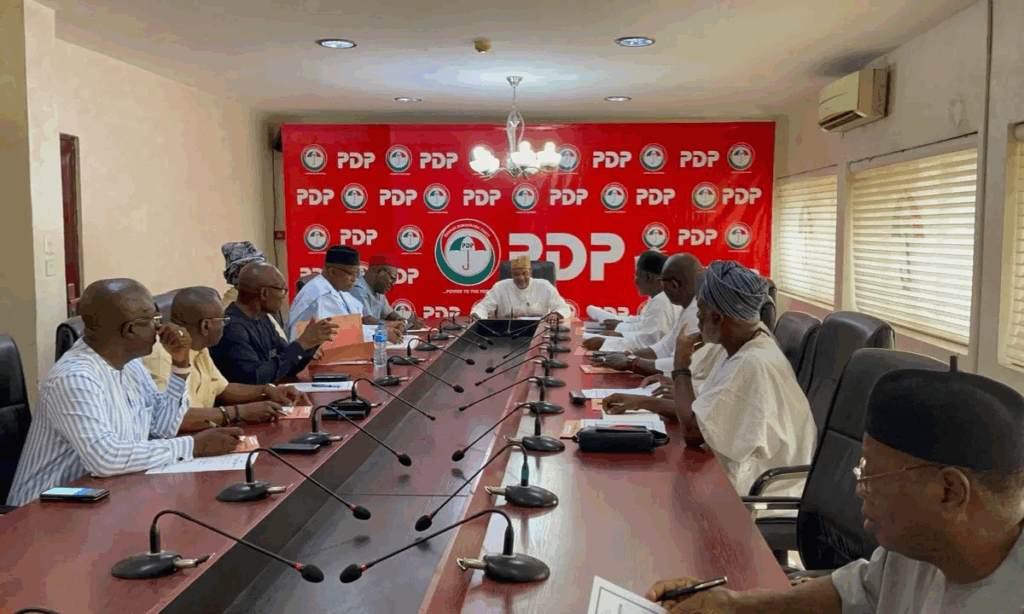
The PDP spokesperson called on party members and the general public to ignore the report and continue supporting the party willingly in any manner they consider suitable.
What you should know
The PDP says it has not introduced any compulsory financial contribution for its members and insists that recent reports suggesting otherwise are misleading.
According to the party, comments referencing ₦10,000 were used only to explain how voluntary grassroots funding can strengthen political participation.
The party maintains that its funding approach is based on willing support from members and sympathisers, not enforced payments, especially at a time when it is repositioning after internal political shifts.