The African Democratic Congress (ADC) has accused state governors of failing to translate increased federal allocations into improved living conditions for Nigerians, despite having more funds at their disposal.
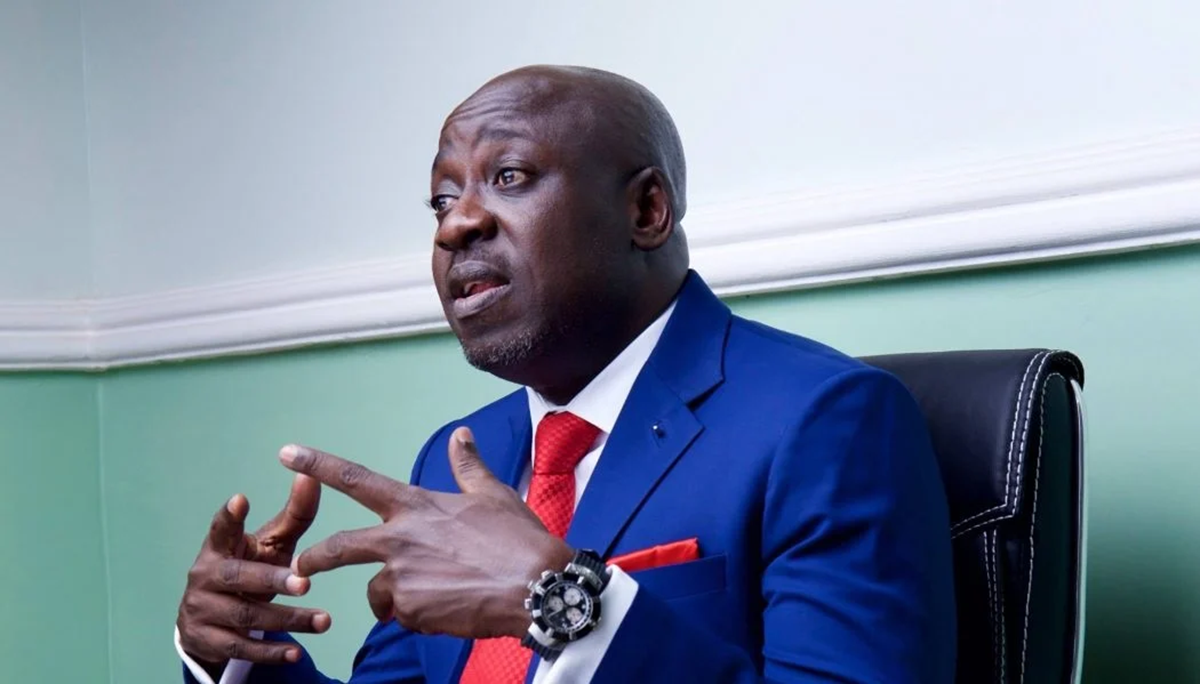
Speaking on Friday, the party’s spokesman, Bolaji Abdullahi, said the removal of fuel subsidy has significantly boosted state revenues, but argued that the impact has not been felt by ordinary citizens. He questioned how the additional funds have been utilised across the states.
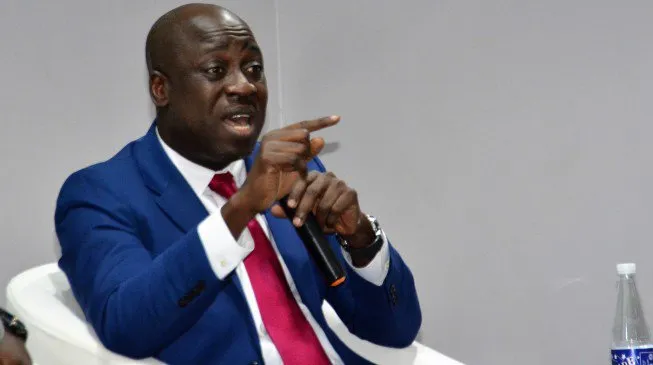
“The governors, by their own, by the president’s own declaration, he has given more money to the governors than maybe any president has ever given to governors in our history. And how has that reflected in the improved livelihood of the people in the states?” Abdullahi asked while appearing on Channels Television’s Politics Today.
He clarified that his comments were not aimed at every governor but reflected a broader concern about governance outcomes. “I’m not saying all of them are bad, but what I’m saying is that they have received more money than any other generation of governors have received in the history of this country,” the former minister said during the programme.
Abdullahi linked the rise in state allocations to key economic reforms under the current administration. “You can say devaluation. The reason that we have more money going to the states is because they removed subsidy, and that money is now going to the states. In what way has that reflected a better life for the people in the states?” he asked.
President Bola Tinubu, shortly after assuming office in May 2023, announced the removal of fuel subsidy, a policy move that led to a sharp increase in fuel prices nationwide. At the time, he said the funds freed from subsidy payments would be channelled into infrastructure development and other critical national needs.
Since the policy shift, governors across the country have acknowledged receiving higher monthly allocations from the Federation Account. Delta State Governor Sheriff Oborevwori recently confirmed that states now have more funds due to increased FAAC disbursements.
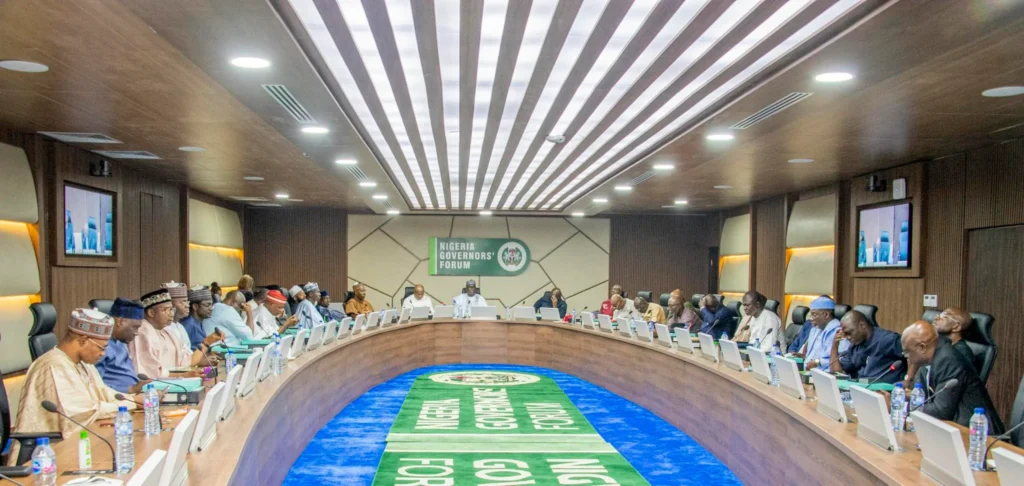
“I want to tell you something that some people do not even know. More money is coming to the states. I am not a governor who will hide it. What am I going to hide it for?” Oborevwori said on January 13 at an event marking the construction of the N39.3 billion Otovwodo flyover in Ughelli North Local Government Area of Delta State.
“The money is coming from somewhere. Some people want to hide that there is no money; there is money. Use the money, as we are using it in our state. Use it in your state, so that the people will be very happy,” he added.
Earlier, President Tinubu also highlighted the increase in state allocations while addressing a caucus meeting of the All Progressives Congress on February 25. “Today, I can beat my chest and each of the governors here that allocations to the states are triple,” he said.
Months later, Minister of Finance Wale Edun reinforced the claim, stating that allocations to the 36 states rose from N3.8 trillion to N7.1 trillion under Tinubu’s administration.
What you should know
The removal of fuel subsidy in 2023 remains one of the most far-reaching economic decisions of the Tinubu administration.
While it eased pressure on federal finances and significantly increased allocations to states, it also triggered inflation and higher living costs for Nigerians. Critics argue that governors now have greater fiscal responsibility to cushion these effects through visible development, social programmes and infrastructure.
Supporters of the policy, however, maintain that long-term benefits will only become evident if states effectively manage the additional resources and prioritise public welfare.