
The Kebbi State Government has announced the resumption of academic activities at the Government Girls’ Comprehensive Secondary School, Maga, months after the abduction and subsequent rescue of 24 students from the institution.
The Commissioner for Basic and Secondary Education, Dr. Halima Bande, disclosed this on Tuesday while addressing journalists after a security briefing with school principals and heads of institutions in Birnin Kebbi.
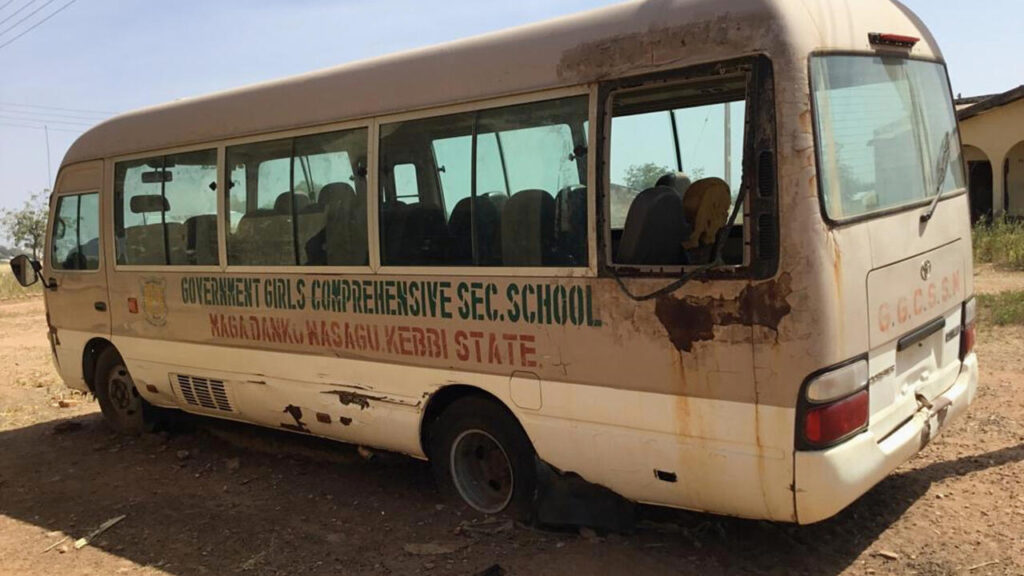
The school was shut following the November abduction incident, which triggered widespread concern among parents and guardians. According to Bande, confidence has now been rebuilt through counselling for affected students and parents, alongside the full deployment of security personnel to the school premises.
She assured that the state government is committed to implementing comprehensive security measures to safeguard students and staff, stressing that Governor Nasir Idris has directed the organisation of security awareness programmes for school administrators and teachers to prevent future occurrences.
The commissioner explained that similar sensitisation sessions had already been conducted in Zuru, Yauri, Jega, Bunza and Argungu, with the Birnin Kebbi meeting marking the final phase of the exercise.
Bande noted that ensuring school safety is a shared responsibility, involving principals, vice-principals, staff and students alike.
“We must not allow our collective psyche for peaceful living to be taken away by bandits,” she said.
She added that the engagements were designed to promote heightened security awareness and ensure uninterrupted academic activities in a safe learning environment.
The commissioner also encouraged schools to strengthen ties with their host communities, describing them as vital partners in maintaining security. She further advised school administrators to maintain consistent communication with security agencies for professional guidance and early intervention.
Bande commended Governor Idris for approving the deployment of security personnel to schools across the state, noting that the move has reassured teachers and students.
She also lauded the Nigeria Police Force, the Nigeria Security and Civil Defence Corps and the Department of State Services for providing practical security education to school principals.
At the meeting, the Assistant Commissioner of Police (Operations), ACP Yakubu Lawal Gumi, urged principals to prioritise vigilance, warning that negligence could expose schools to criminal attacks.
“You must manage your schools with security consciousness. Ensure adequate lighting, as criminals detest exposure, and remain alert to suspicious characters,” he advised.
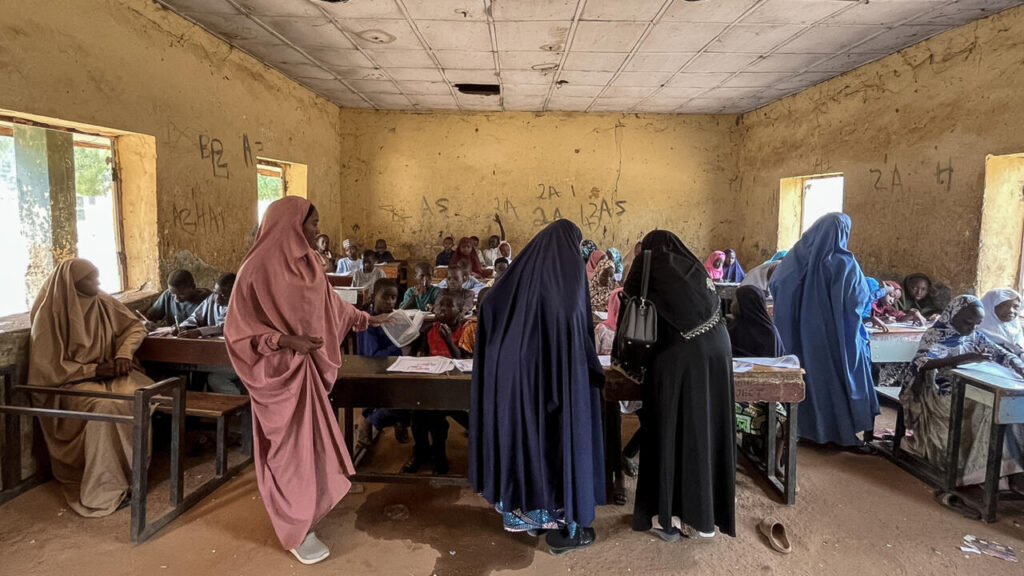
Similarly, the Deputy Commandant of the NSCDC, Wale Henry, raised concerns over weak school infrastructure, particularly poor fencing.
“The pillars of security include proper fencing, vigilance, and intelligent personnel manning school gates,” he said.
He also cautioned against internal security threats such as cultism and other moral issues among students, calling for closer monitoring by school authorities.
In his remarks, the Special Adviser to the Governor on Security Matters, retired Colonel Danladi Hassan Ribah, confirmed that the governor’s directive to secure learning environments statewide has been fully implemented. He added that discussions with principals were aimed at consolidating safety efforts.
On the issue of de-boarding some schools, Ribah revealed that a committee had submitted its report and that the government was awaiting the governor’s final decision.
What you should know
The Kebbi State Government has reopened Government Girls’ Comprehensive Secondary School, Maga, following the rescue of 24 abducted students and the strengthening of security at the facility.
Authorities say counselling, improved security deployment and awareness programmes have restored confidence among parents, teachers and students. Governor Nasir Idris has directed statewide security measures for schools, including collaboration with police, NSCDC and DSS.
Officials emphasise that school safety requires joint efforts from administrators, communities and security agencies, as the state works to prevent a repeat of past attacks and ensure a stable learning environment.