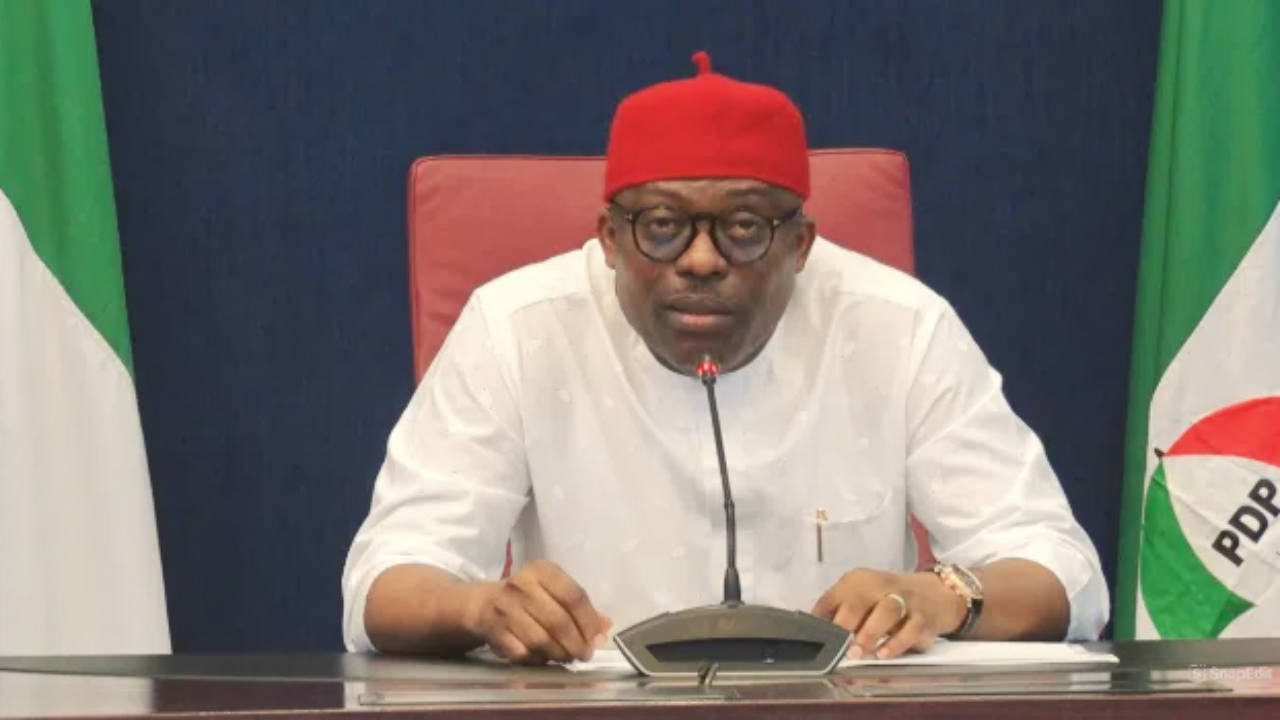
The Rivers State House of Assembly has rejected assertions that the impeachment proceedings currently underway against Governor Siminalayi Fubara are being driven by the Minister of the Federal Capital Territory, Nyesom Wike.
Speaking during an interview on Channels Television’s Politics Today on Thursday, the Assembly’s spokesperson, Enemi George, maintained that lawmakers were acting strictly in line with constitutional provisions and not under the direction or influence of any political actor.

Addressing speculation about Wike’s alleged involvement in the impeachment move, George warned that conflating politics with constitutional obligations could create serious problems for democratic governance.
He argued that it was unfair and demeaning to portray the legislature as an institution acting at the behest of an individual, stressing that the House derives its authority solely from the Constitution.
“This is pouring oil into water, and those two don’t mix unless boiled. The FCT minister is a politician. If we begin to mix politics and constitutional matters, we will begin to cause trouble.
“I am not a party chief but a spokesperson of the Rivers State House of Assembly. Personally, I am politically aligned with the FCT minister, but it is insulting to reduce the activities of an institution created by the Constitution to just politics or an individual,” he said.
George reiterated that the impeachment process was not politically motivated, insisting that it was based on alleged violations of constitutional provisions by the governor. He also dismissed claims that the House was engaging in budget padding or deliberately frustrating legislative activities, describing such allegations as baseless.
Impeachment Proceedings
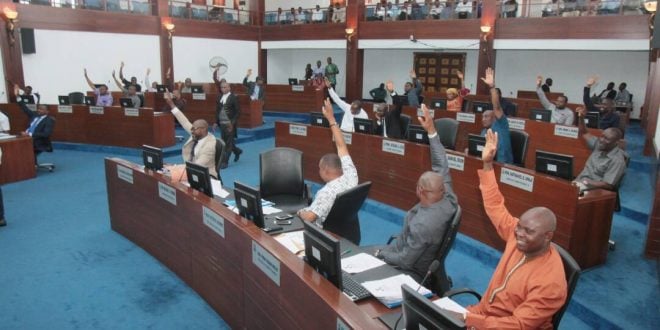
Members of the Rivers State House of Assembly on Thursday initiated impeachment proceedings against Governor Siminalayi Fubara and his deputy, Ngozi Odu, over allegations of gross misconduct.
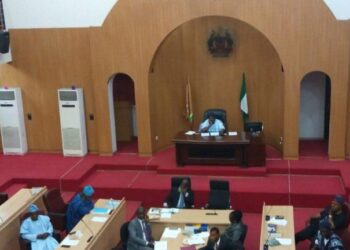
During plenary presided over by Speaker Martins Amaewhule, the Majority Leader, Major Jack, formally read a notice of allegations against the governor, citing Section 188 of the 1999 Constitution as the legal basis for the action.
The notice outlined seven alleged acts of gross misconduct, including the demolition of the Assembly complex, extra-budgetary spending, withholding funds meant for the Assembly Service Commission, and alleged failure to comply with a Supreme Court ruling on the financial autonomy of the legislature.
A total of twenty-six lawmakers endorsed the notice. Amaewhule stated that the Assembly would serve the governor with the notice within the constitutionally prescribed timeframe.
In a related development, the Deputy Leader of the House, Linda Stewart, presented a separate notice of gross misconduct against Deputy Governor Ngozi Odu. The allegations against her include reckless and unconstitutional expenditure of public funds, obstruction of the Assembly from carrying out its legislative responsibilities, and alleged approval of budgets outside the recognised legislature.
This latest development represents the second impeachment attempt against Fubara and Odu within a year. A similar process was initiated in March 2025, following political tensions between the governor and his predecessor, Nyesom Wike.

Reacting to the impeachment move, the Rivers State chapter of the All Progressives Congress (APC) criticised the process, describing it as “destabilising and unnecessary.”
In a statement issued by the party’s spokesperson, Darlington Nwauju, the APC acknowledged the constitutional independence of the legislature but cautioned against actions that could plunge the state into renewed political instability.
The party also rejected claims that the impeachment threat stemmed from budgetary issues, recalling that a ₦1.485 trillion budget was approved by the National Assembly during the period of emergency rule and is expected to remain in force until August 2026.
The APC called on the Assembly to discontinue the impeachment process, warning that it could harm the party’s image and hinder development efforts in Rivers State.
What you should know
The impeachment process in Rivers State has become a major flashpoint in the state’s ongoing political realignments following Governor Fubara’s fallout with key political actors.
While the Assembly insists it is acting within constitutional boundaries, opposition parties and observers fear the process could deepen political instability.
The situation is further complicated by recent emergency rule in the state and shifting party loyalties, making the outcome of the impeachment proceedings significant for Rivers State’s governance and political future.