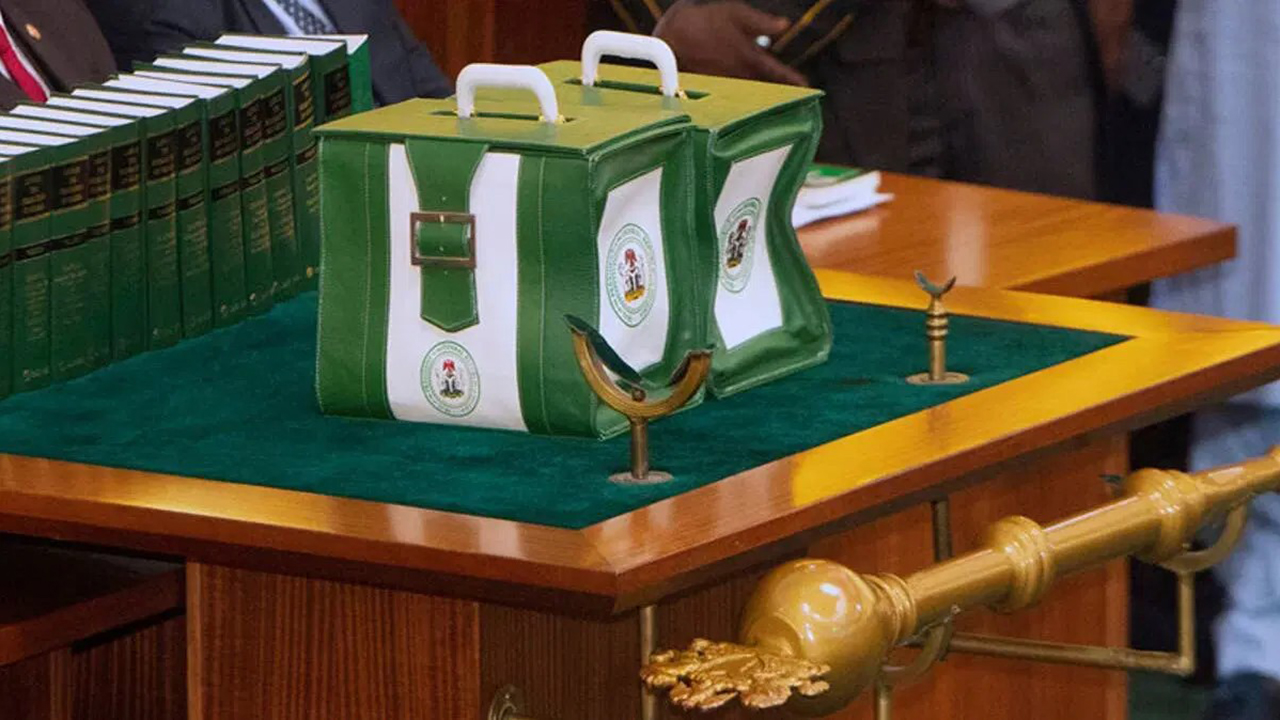
Nigeria’s Budget Office of the Federation has mounted a vigorous defense of its decision to repeal and reenact the 2024 and 2025 Appropriation Acts, pushing back against mounting criticism that the unprecedented move violated constitutional provisions and undermined fiscal accountability.
In a detailed statement issued on Tuesday, the agency’s Director-General, Tanimu Yakubu, characterized the legislative maneuver as a legitimate constitutional mechanism designed to address what he described as “prevailing macroeconomic and implementation realities” that have buffeted Africa’s largest economy.
The defense comes as the government faces intensifying scrutiny over its management of public finances at a time when Nigeria is grappling with currency volatility, persistent inflation, and mounting debt obligations that have strained the national budget beyond initial projections.
At the heart of the controversy lies a fundamental question about the limits of executive and legislative power over approved budgets. Critics have argued that repealing and re-enacting already-passed appropriation laws sets a dangerous precedent that could allow governments to circumvent fiscal discipline and spending controls.
The Budget Office rejected these concerns outright, insisting that the process adhered strictly to constitutional requirements. “The actions followed due legislative procedure, having been passed by the National Assembly and assented to by the President,” the statement emphasized, pointing to Sections 80-84 of the Nigerian Constitution as the legal foundation for the government’s authority.
Yakubu’s office went further, asserting that the Constitution contains no explicit prohibition against repealing and re-enacting appropriation acts when circumstances demand. “The Constitution does not prohibit the National Assembly from repealing and re-enacting an Appropriation Act where fiscal circumstances, implementation realities, or reconciliation of fiscal instruments make such legislative action necessary in the public interest,” the statement declared.
The Budget Office also sought to dispel what it characterized as widespread misunderstanding about government expenditure patterns. Officials said critics have conflated several distinct categories of spending—including contractual obligations, statutory transfers, debt servicing, cash releases, and multi-year project commitments—leading to unfounded allegations of expenditure without proper appropriation.
The agency stressed that all government spending must be backed by lawful appropriation and subjected to legislative oversight through established instruments such as supplementary budgets, virement (the transfer of funds between budget lines), or the repeal and re-enactment process itself.
Far from representing a breakdown in fiscal controls, the Budget Office argued, the repeal and re-enactment mechanism actually strengthens constitutional safeguards by “consolidating and regularizing fiscal authority through an Act of the National Assembly.”
While the Budget Office defended the legality of its actions, the need for such extraordinary measures reflects the severe fiscal pressures confronting the Nigerian government. The country has faced a perfect storm of economic challenges, including sharp currency devaluation, declining oil revenues despite higher global prices, and escalating security expenditures.
These pressures have rendered initial budget assumptions obsolete within months of passage, forcing officials to seek ways to realign spending authorizations with evolving economic realities. Revenue constraints have proven particularly acute, with the government struggling to meet ambitious collection targets even as expenditure demands continue to rise.
The repeal and re-enactment approach, according to the Budget Office, provides a comprehensive mechanism for addressing these misalignments while maintaining the National Assembly’s constitutional role as the ultimate authority over public spending.
The controversy has broader implications for Nigeria’s fiscal governance framework and the balance of power between the executive and legislative branches. How appropriation laws are modified—and the ease with which they can be altered—directly affects the strength of spending controls and the credibility of the budget process.
Observers have noted that frequent or routine use of repeal and reenactment could potentially undermine the discipline imposed by annual budget cycles and create opportunities for less transparent fiscal management. However, others argue that rigid adherence to outdated budget parameters in the face of dramatic economic shifts could prove equally damaging.
By emphasizing that all adjustments must flow through formal legislative channels, the Budget Office appears to be seeking middle ground—acknowledging the need for flexibility while insisting on proper constitutional process. The agency’s statement repeatedly stressed the primacy of the National Assembly in authorizing public expenditure, framing the repeal and re-enactment process as a mechanism that strengthens rather than bypasses legislative oversight.
Whether this defense will satisfy critics remains to be seen. As Nigeria navigates continuing economic uncertainty, the precedent set by these actions—and the government’s ability to maintain public confidence in its fiscal management—may prove as consequential as the immediate budgetary adjustments themselves.
The National Assembly has not issued a separate statement on the matter, though its role in passing the repealed and re-enacted appropriation acts suggests legislative acquiescence, if not explicit endorsement, of the government’s approach.
WHAT YOU SHOULD KNOW
Nigeria’s Budget Office has defended its controversial decision to repeal and re-enact the 2024 and 2025 budget laws, insisting the move is constitutional and necessary to address severe economic pressures, including currency volatility, revenue shortfalls, and rising costs.
While the government maintains this is a legitimate tool for fiscal adjustment that preserves legislative oversight, the unprecedented step raises critical questions about budget discipline and whether frequently rewriting spending plans could weaken fiscal accountability—even as officials argue rigid adherence to outdated budgets would be equally harmful in Nigeria’s volatile economic environment.
The controversy ultimately centers on finding the right balance between fiscal flexibility and maintaining public confidence in how taxpayer money is managed during turbulent times.