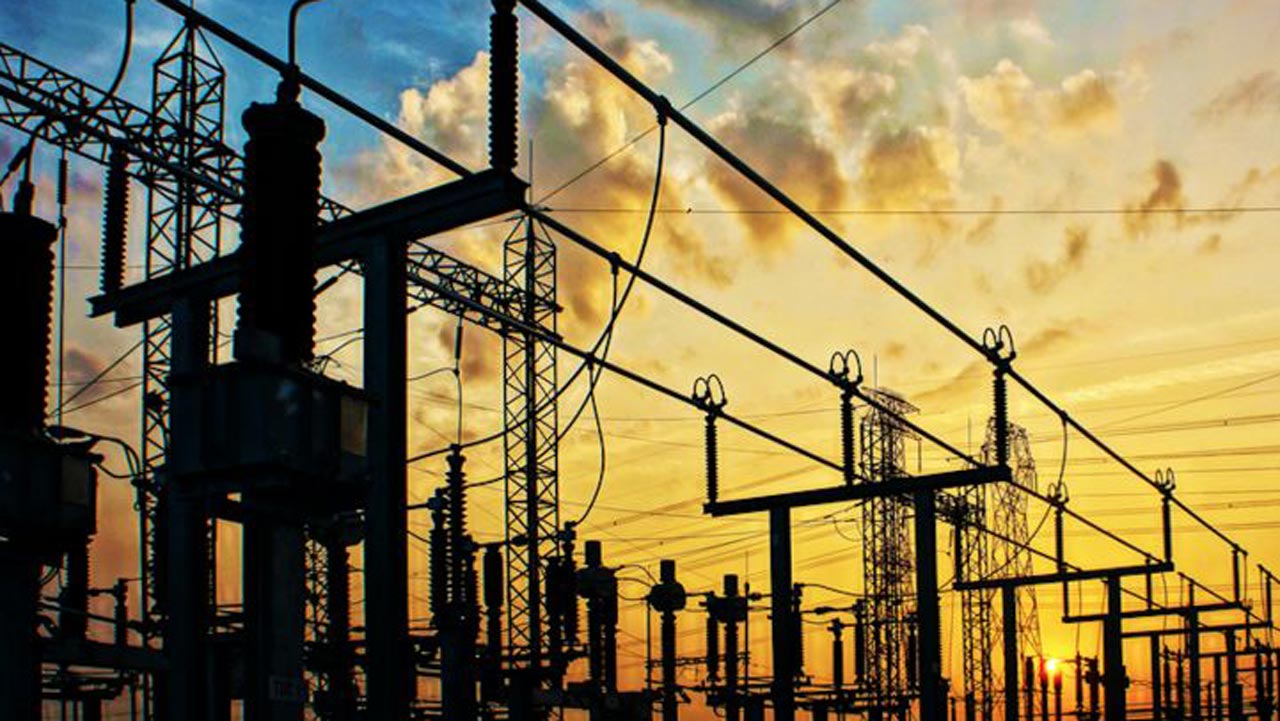
The Nigerian power sector maintained its heavy toll on government finances, with subsidy payments climbing to N458.75 billion in Q3 2024, highlighting ongoing fiscal pressures in the electricity industry even after recent tariff reforms.
The Nigerian Electricity Regulatory Commission disclosed this in its quarterly report covering July through September 2024, revealing that the substantial subsidy payment became necessary due to the government’s decision to freeze certain consumer tariffs at July 2024 rates, even as electricity generation costs continued climbing.
The subsidy figure, while significant, represents a modest decline from the previous quarter. Government subsidy obligations decreased by N55.59 billion—a 10.81 percent reduction from the N514.35 billion paid in the second quarter of 2025. This decrease stemmed from two factors: a 6.08 percent drop in energy uptake by distribution companies and a marginal 0.98 percent reduction in actual generation costs.
Distribution companies collected N570.21 billion from customers during the quarter, falling short of the N706.61 billion billed to consumers. This translated to a collection efficiency rate of 80.70 percent—an improvement of 4.63 percentage points over the previous quarter’s 76.07 percent.
The total value of energy supplied to all eleven Discos stood at N854.53 billion, meaning the companies achieved a billing efficiency of 82.69 percent, up slightly from 81.61 percent in the second quarter.
Billing losses accumulated to N147.92 billion during the three months, reflecting the gap between energy received and energy actually billed to customers.
Performance varied dramatically across Nigeria’s electricity distribution landscape. Ikeja Disco emerged as the standout performer, achieving a perfect 100 percent collection efficiency. Three other companies surpassed the 80 percent threshold: Eko Disco recorded 88.74 percent, Benin Disco achieved 86.44 percent, and Abuja Disco posted 81.60 percent.
At the opposite end, Kaduna Disco registered the lowest collection efficiency at just 45.67 percent, meaning the company collected less than half of what it billed customers.
Seven distribution companies showed improvement between quarters. Ikeja Disco led with a 17.58 percentage point increase, followed by Port Harcourt with 8.83 points and Yola with 8.72 points. However, four Discos experienced declining collection rates, with Kaduna dropping 2.70 percentage points and Ibadan falling 1.34 points.
According to NERC, the subsidy arrangement works by covering the difference between cost-reflective tariffs—what it actually costs to generate and deliver electricity—and the allowed tariffs that consumers pay. For administrative efficiency, the government applies this subsidy directly to generation costs payable by Discos to the Nigerian Bulk Electricity Trading Company.
The N458.75 billion subsidy represented 58.63 percent of total Generation Companies’ invoices during the quarter, a slight decrease from the 59.60 percent subsidy share in the previous quarter.
The report highlighted payment challenges beyond the retail market. International bilateral customers—likely referring to electricity exports to neighboring countries—paid only $7.125 million of the $18.69 million invoiced, achieving a remittance rate of just 38.09 percent.
Domestic bilateral customers performed considerably better, remitting N3.19 billion of the N3.64 billion billed—an 87.61 percent payment rate.
Technical and commercial losses remained substantial. While Discos received 7,348.95 gigawatt-hours of electricity during the quarter, they billed customers for only 6,158.54 gigawatt-hours. This yielded an energy accounting efficiency of 83.80 percent, representing a 1.37 percentage point improvement over the previous quarter’s 82.43 percent.
The gap between energy received and energy billed reflects a combination of technical losses in distribution infrastructure and commercial losses from electricity theft and unmetered consumption.
NERC identified several factors driving the significant revenue shortfall: customer reluctance to pay bills promptly, widespread dissatisfaction with service quality, and inadequate metering infrastructure that leaves many consumers without accurate billing.
The regulatory body emphasized that prompt payment of upstream invoices remains critical for maintaining generation and transmission capacity. Under the waterfall payment mechanism, Discos face pressure to improve collections since their allowed revenues rank below market obligations in the payment hierarchy.
The continued reliance on government subsidies, even after implementing the Band A tariff system intended to move certain customer categories toward cost-reflective pricing, suggests Nigeria’s electricity sector remains far from financial sustainability. With subsidy obligations running into hundreds of billions quarterly, the fiscal burden on government finances continues unabated while service delivery challenges persist for millions of Nigerian electricity consumers.
WHAT YOU SHOULD KNOW
Nigeria’s electricity sector remains heavily subsidized and financially unsustainable. Despite tariff reforms, the federal government still paid N458.75 billion in subsidies during Q3 2024 because consumer tariffs remain frozen below actual generation costs.
Distribution companies collected only 80.70% of what they billed customers, with massive variations—Ikeja Disco achieved 100% collection, while Kaduna managed just 45.67%. Combined with technical losses (only 83.80% of received energy was billed) and customer payment reluctance, the sector cannot cover its costs.