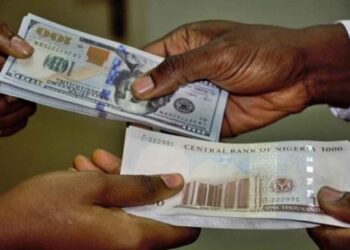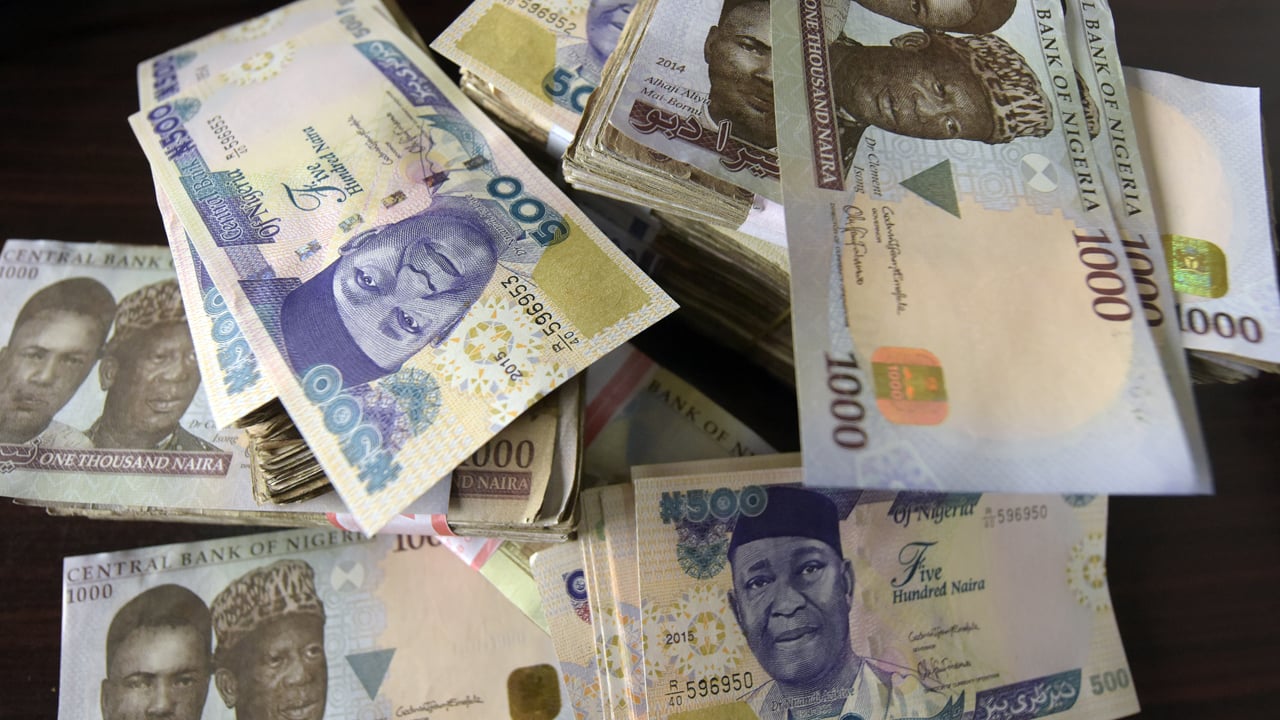
In a dramatic reversal of fortunes that signals potential stabilization in Africa’s largest economy, the Nigerian naira has posted its first annual appreciation against the US dollar in 13 years, according to official data released by the Central Bank of Nigeria.
The local currency closed 2025 at N1,429 to the dollar on December 31, representing a 7.4% gain from the N1,535 rate recorded on the final trading day of 2024. The milestone achievement marks the naira’s first yearly strengthening since 2012, when it modestly appreciated to N157.29 from N158.99 the previous year.
For more than a decade, the naira had been locked in a relentless downward spiral, depreciating year after year as Nigeria grappled with declining oil revenues, mounting external debt, foreign exchange shortages, and policy inconsistencies that spooked investors. The 2025 turnaround represents what many economists are calling a watershed moment for the West African nation’s economic trajectory.
The currency’s journey through 2025, however, was far from smooth. Central Bank data reveals a tale of two halves: a turbulent first six months followed by a remarkable recovery in the final quarter.
The naira opened 2025 trading at N1,538.50 to the dollar in January, immediately signaling the headwinds ahead. February saw relative stability with rates hovering between N1,499 and N1,500, but March and April brought severe pressure as the currency plummeted to its weakest point of the year.
By April 2025, the naira had crashed to N1,602 per dollar—a level that sparked renewed concerns about Nigeria’s economic stability and purchasing power erosion for ordinary citizens already battling soaring inflation.
But May marked the beginning of a gradual turnaround. The currency recovered to N1,585 in May and strengthened further to N1,532 in June, setting the stage for what would become an increasingly robust rally in the year’s second half.
September proved to be the pivotal month, with the naira consistently trading below the N1,500 threshold and ending at N1,478. The momentum accelerated through October, when the currency closed at N1,427.50—its strongest position since early in the year. Despite a minor setback in November at N1,446.90, the naira rebounded to close December and the full year at N1,429.
Financial analysts and market observers credit the turnaround to a comprehensive package of foreign exchange reforms initiated by the Central Bank of Nigeria in 2024, which began yielding measurable results in 2025.
Perhaps most significantly, these reforms succeeded in narrowing the gap between official and parallel market exchange rates to below 5%—a dramatic improvement from the double-digit spreads that had long characterized Nigeria’s fragmented currency markets. This convergence effectively choked off opportunities for arbitrage and speculative trading that had previously destabilized the naira.
“The reforms in the FX market, including improved price discovery and increased transparency, also helped support the naira in the second half of the year,” explained Ade Omotosho, an analyst at Kwik Securities. The restructured market allowed genuine supply-and-demand forces to play a more dominant role in determining exchange rates, rather than distortions created by multiple exchange rate windows and rent-seeking behavior.
Complementing the structural reforms, the Central Bank deployed tighter monetary policies designed to manage liquidity and control inflationary pressures. These measures, combined with improved foreign exchange inflows from diaspora remittances, oil exports, and cautious foreign portfolio investment, created a more favorable environment for currency stability.
Despite the encouraging year-end performance, Nigeria’s currency challenges are far from over. The difficult first half of 2025 exposed persistent structural vulnerabilities: stubborn inflation running above 30% for much of the year, overwhelming dollar demand from importers and manufacturers, and periodic disruptions in foreign exchange supply.
The Nigerian economy remains heavily dependent on oil exports for foreign exchange earnings, leaving the naira vulnerable to global crude price fluctuations. Meanwhile, the country’s manufacturing sector continues to rely heavily on imported raw materials and machinery, creating constant pressure on dollar demand.
As Nigeria enters 2026, economists are adopting a stance of measured optimism tempered by realism about the road ahead.
The naira’s stronger close to 2025 could help restore much-needed investor confidence in Nigerian assets, potentially attracting the foreign capital desperately needed to finance infrastructure development and economic diversification. However, analysts emphasize that sustaining this momentum will require unwavering commitment to reform implementation.
“Long-term resilience will depend on Nigeria’s ability to attract capital, boost exports, and manage monetary policy effectively,” noted several market watchers. Without consistent follow-through on policy initiatives, they warn, the naira could easily slip back into the volatility that has characterized much of the past decade.
Key priorities for 2026 include keeping inflation under control, diversifying export revenues beyond petroleum, improving the business environment to attract foreign direct investment, and maintaining the transparency and market-driven mechanisms that enabled 2025’s recovery.
For now, Nigerians can celebrate ending a 13-year streak of currency depreciation—a psychological victory as much as an economic one. But whether 2025 represents a genuine turning point or merely a temporary respite will only become clear in the months ahead.
WHAT YOU SHOULD KNOW
After 13 consecutive years of decline, the Nigerian naira achieved a historic 7.4% appreciation in 2025, closing at N1,429 per dollar—its first annual gain since 2012.
This turnaround was driven primarily by Central Bank reforms that narrowed the gap between official and parallel market rates to below 5%, eliminating speculative trading and allowing genuine market forces to determine prices. Combined with tighter monetary policy and improved foreign exchange inflows, these reforms delivered measurable results in the final quarter.
While this represents significant progress, Nigeria’s long-term currency stability depends entirely on sustained reform implementation, inflation control, and economic diversification. Without consistent follow-through, the naira remains vulnerable to renewed volatility.
The 2025 performance offers cautious optimism, but the real test lies in whether policymakers can maintain this momentum through 2026 and beyond.