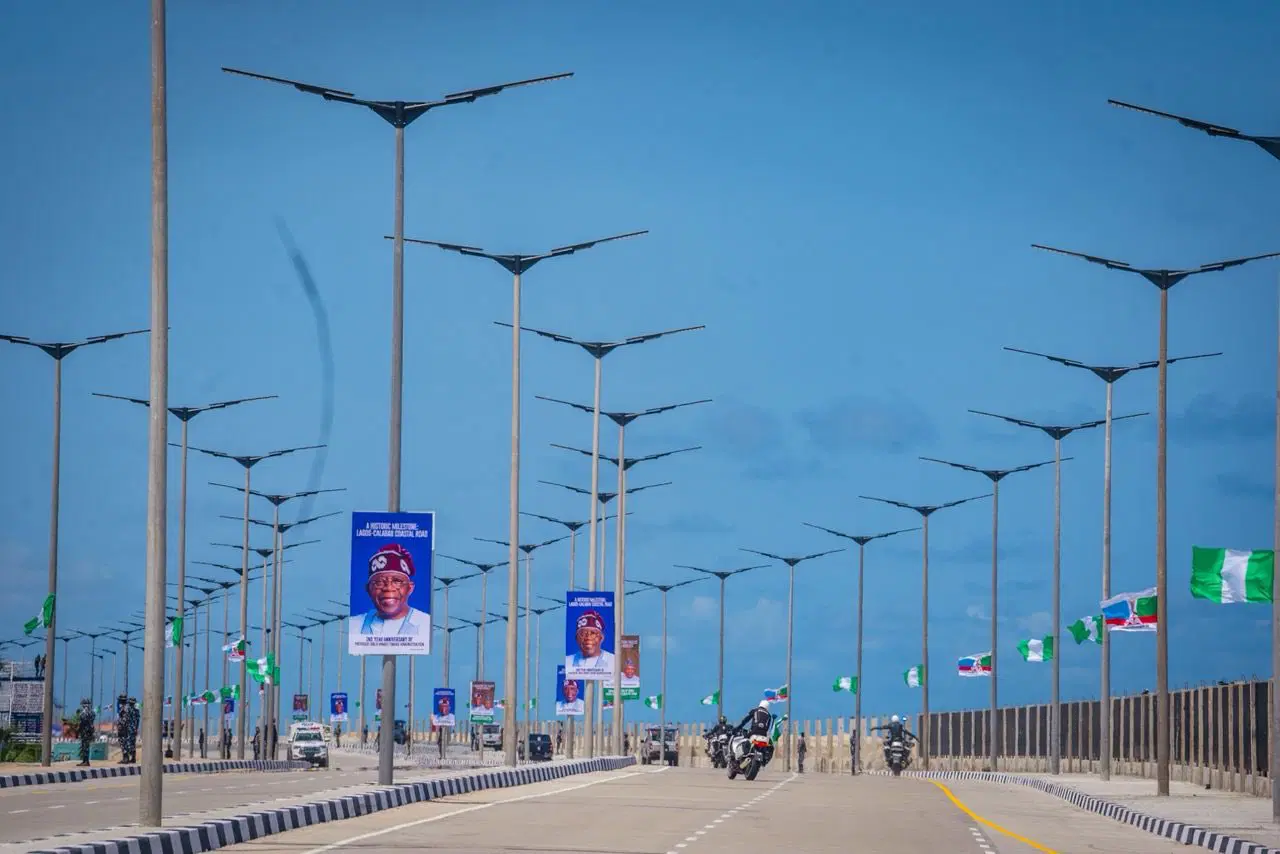
Nigeria has secured approximately $1.2 billion in financing from the United Arab Emirates to fund a critical 56-kilometer segment of the ambitious Lagos–Calabar Coastal Highway, the Presidency announced on Friday in a statement reported by Bloomberg.
The funding represents a significant milestone for one of President Bola Tinubu’s signature infrastructure initiatives, designed to create a 700-kilometer transport corridor along Nigeria’s Atlantic coastline connecting major commercial and economic hubs across the southern region.
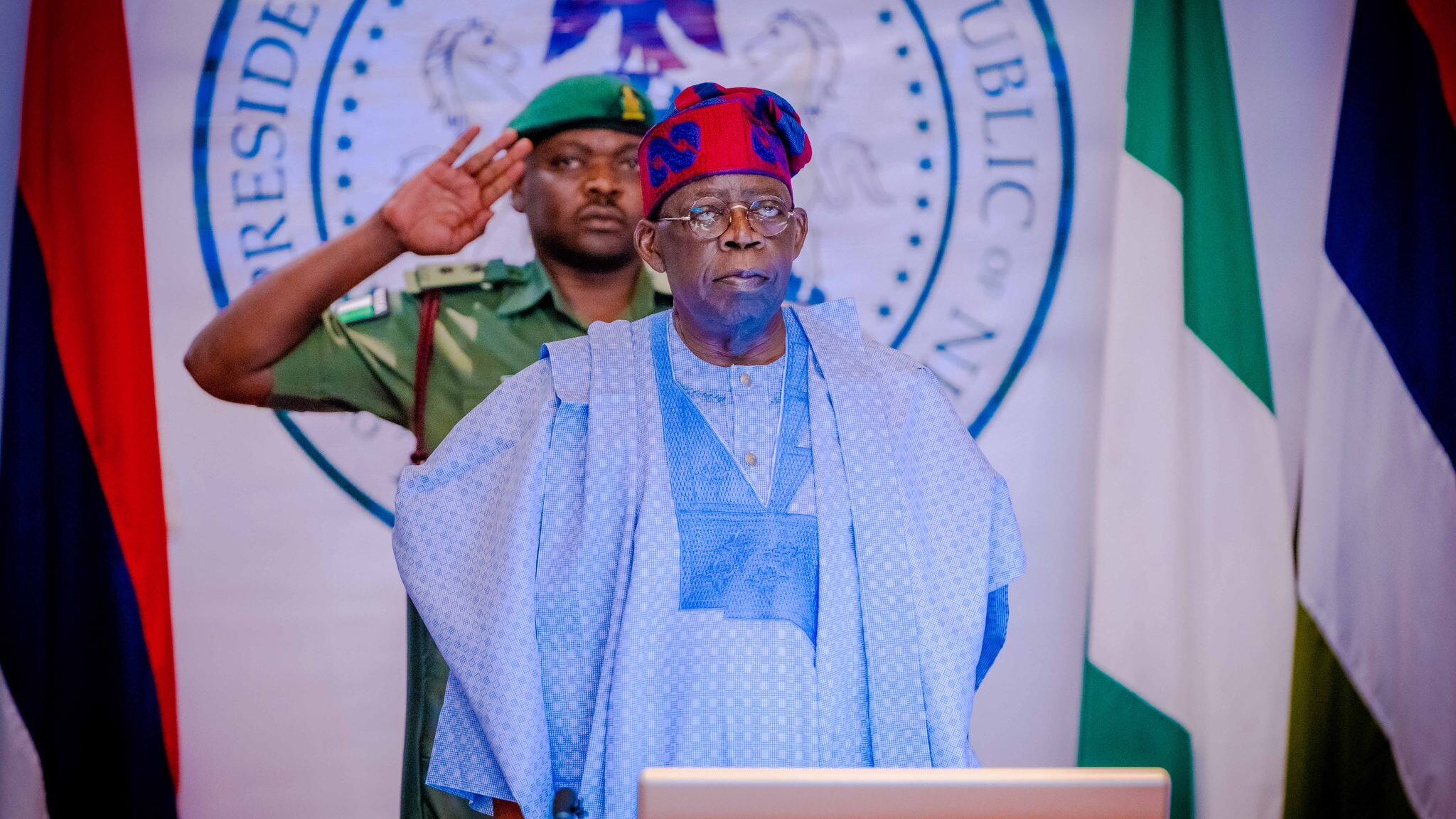
“This is a major achievement, and closing this transaction means the Lagos–Calabar Coastal Highway will continue unimpeded,” President Tinubu said in the statement, emphasizing his administration’s commitment to bridging Nigeria’s substantial infrastructure deficit through innovative financing mechanisms.
The President indicated that his government would continue exploring creative funding arrangements to support large-scale infrastructure development nationwide, reflecting the challenges of financing mega-projects in Africa’s most populous nation.
Phased Financing Strategy
Friday’s announcement follows a pattern of incremental funding for the massive coastal project. In July, Nigeria secured an additional $747 million for another section of the highway through a syndicated loan arrangement led by Deutsche Bank, which served as Global Coordinator and Lead Arranger.
That earlier financing involved a consortium of international and regional lenders, including First Abu Dhabi Bank, the African Export-Import Bank (Afreximbank), the ECOWAS Bank for Investment and Development (EBID), Nexent Bank N.V. (formerly Credit Europe Bank N.V.), and Nigeria’s Zenith Bank. First Abu Dhabi Bank fully underwrote the loan, with risk insurance provided by the Islamic Corporation for the Insurance of Investment and Export Credit.
The recurring involvement of UAE-based financial institutions underscores growing Gulf interest in Nigerian infrastructure financing, as the West African nation seeks to diversify its funding sources beyond traditional Western lenders and multilateral development banks.
Construction Progress
According to Dany Abboud, Managing Director of Hitech Construction, the contractor overseeing construction, more than 70% of the current section has been completed. Abboud highlighted that the project employs Continuously Reinforced Concrete Pavement (CRCP) technology, which he said would deliver superior durability and cost efficiency compared to conventional road construction methods used in Nigeria.
“This will set a new standard for road construction in Nigeria,” Abboud stated, pointing to the advanced engineering specifications being applied to the project.
Strategic Significance
When fully realized, the Lagos–Calabar Coastal Highway is expected to serve as a transformative transport corridor that could reshape trade patterns, logistics operations, and tourism development across Nigeria’s coastal states. The project aims to enhance regional integration by improving connectivity between Lagos, the commercial capital, and Calabar in Cross River State, passing through multiple states, including Ogun, Ondo, Delta, Bayelsa, Rivers, and Akwa Ibom.
Proponents argue the highway will reduce transportation costs, facilitate faster movement of goods and people, and unlock economic potential in coastal communities that have historically faced connectivity challenges. The improved infrastructure is also expected to support industrial development and attract investment to Nigeria’s southern corridor.
The project’s ambitious scope and phased financing approach reflect both the scale of Nigeria’s infrastructure needs and the fiscal constraints facing the government as it navigates economic reforms and debt management concerns.
The Tinubu administration has positioned infrastructure development as central to its economic agenda, viewing improved transport networks as essential to boosting productivity and competitiveness.
WHAT YOU SHOULD KNOW
Nigeria has secured $1.2 billion from the UAE to advance the Lagos–Calabar Coastal Highway, with construction already over 70% complete on the current section. This 700-kilometer project, funded through multiple international financing deals totaling nearly $2 billion so far, represents a strategic effort to transform Nigeria’s coastal connectivity and economic integration.
The growing involvement of Gulf institutions signals Nigeria’s shift toward diversified infrastructure financing beyond traditional Western lenders, as President Tinubu pursues ambitious development goals despite fiscal constraints.