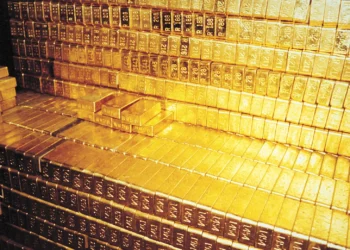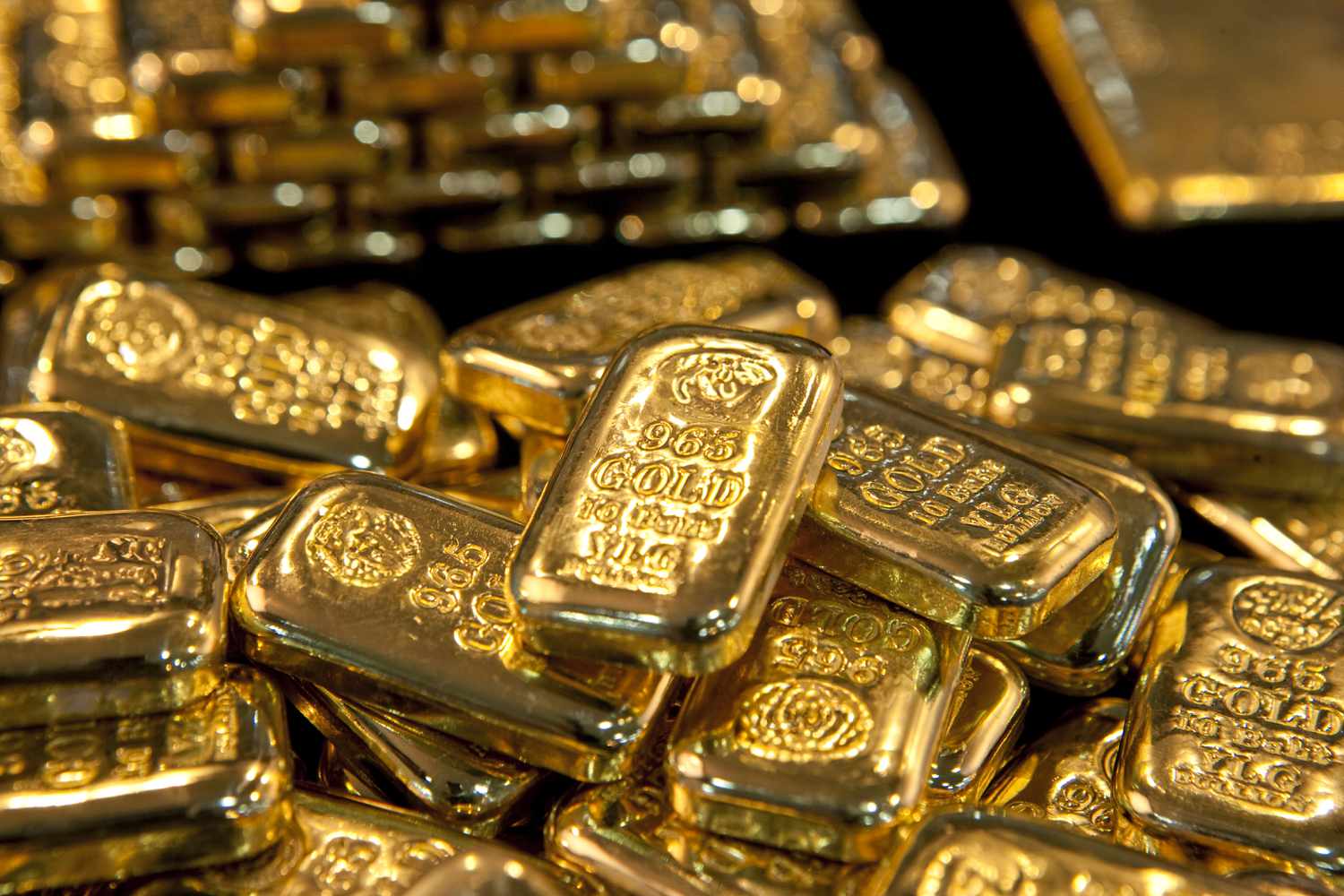
Gold prices shattered the $4,500-per-ounce barrier during Asian trading hours on Wednesday, propelled by a potent combination of monetary policy expectations and geopolitical uncertainty that has sent the precious metal on an unprecedented tear through 2025.
The yellow metal touched an intraday high of $4,519.78 in early Asian trade, marking the latest milestone in a remarkable bull run that has seen gold appreciate more than 70 percent since January. The surge represents one of the most dramatic rallies in the commodity’s recent history, transforming what was already considered a strong safe-haven asset into a runaway market phenomenon.
Market analysts attribute the meteoric rise to two primary factors: persistent expectations that the Federal Reserve will maintain its accommodative monetary stance well into next year and escalating diplomatic tensions between Washington and Caracas that have heightened geopolitical risk premiums across global markets.
“Investors are betting heavily that the Fed will continue its rate-cutting cycle,” said commodities strategists tracking the moves. Lower interest rates typically diminish the opportunity cost of holding non-yielding assets like gold, making the precious metal more attractive relative to interest-bearing investments such as bonds.
The Federal Reserve’s policy trajectory has become a focal point for precious metals traders, who have piled into gold positions anticipating that further monetary easing will weaken the dollar and boost inflation-hedge assets. While the central bank has not yet confirmed its 2026 policy path, market pricing suggests traders are confident additional cuts remain on the table.
Compounding the monetary policy dynamics, deteriorating relations between the United States and Venezuela have added a geopolitical risk premium to gold’s rally. Though details of the specific tensions remain fluid, the uncertainty surrounding U.S.-Venezuela relations has driven investors toward traditional safe-haven assets, with gold emerging as the primary beneficiary.
The 70-percent year-to-date gain vastly outpaces typical annual returns for the precious metal and has caught even seasoned market observers off guard. The rally has enriched mining companies, prompted central banks to reassess their reserve strategies, and validated the positions of long-term gold bulls who have advocated for meaningful precious metals allocations.
As trading continues through the week, market participants will be watching closely for any signs of profit-taking or technical resistance that might pause gold’s ascent, though the underlying fundamental drivers—easy money expectations and geopolitical uncertainty—show little sign of abating in the near term.
WHAT YOU SHOULD KNOW
Gold has skyrocketed over 70 percent in 2025, breaking past $4,500 per ounce, driven by two critical forces: expectations that the Federal Reserve will keep cutting interest rates (making gold more attractive than bonds) and rising U.S.-Venezuela tensions pushing investors toward safe-haven assets.
This historic rally reflects a perfect storm of easy money policies and geopolitical uncertainty that shows no signs of letting up.