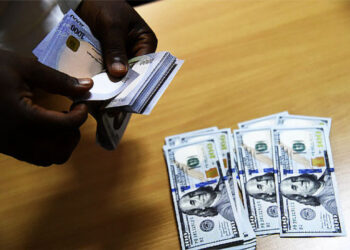
Nigeria’s foreign exchange reserves have experienced their first decline in 25 weeks, falling by $263.15 million to $45.21 billion as of December 17, 2025, according to fresh data released by the Central Bank of Nigeria, marking an abrupt end to a six-month accumulation streak that had pushed reserves to their strongest position since 2019.
The drawdown, which occurred over three consecutive trading days between December 15 and 17, represents a sharp reversal from the sustained reserve build-up that had peaked at $45.47 billion just five days earlier on December 12. The decline has raised fresh concerns about the durability of Nigeria’s external buffers amid mounting seasonal pressures and weakening capital inflows.
Context of the Decline
The contraction comes despite what had been a banner year for reserve accumulation. Between June and November 2025, Nigeria’s gross official reserves surged by $7.5 billion, climbing from year-to-date lows to levels not seen in six years. Over the first 11 months of the year, reserves gained $3.8 billion, with particularly strong growth of $1.5 billion recorded in November alone.
A significant contributor to this growth was Nigeria’s $2.4 billion Eurobond issuance in November, proceeds from which were partly used to refinance a $1.2 billion Eurobond maturity while bolstering the country’s external position.
Before the December decline, Nigeria’s reserve position appeared remarkably strong. The buffers provided 13.9 months of merchandise import cover and 9.4 months when services were included, according to balance of payments data through March 2025—well above the international benchmark of three months’ import cover.
Multiple Pressures Converge
The recent drawdown appears to stem from a confluence of factors that have stretched the central bank’s external resources.
First, foreign exchange inflows have weakened dramatically. CBN data shows FX inflows plummeted by 67 percent month-on-month to just $2.0 billion in November, the lowest level since July 2024. Foreign portfolio investment collapsed from $3.5 billion to $593 million, while foreign direct investment inflows virtually dried up, falling from $221 million to a mere $10.4 million.
Market analysts have attributed much of this capital flight to uncertainty surrounding Nigeria’s controversial Capital Gains Tax, which has spooked foreign investors and triggered substantial portfolio reversals.
Second, the CBN faced substantial debt obligations during the mid-December period. Between December 15 and 18, the monetary authority settled multiple primary market repayments totaling N640.04 billion, including a massive N537.75 billion in matured Open Market Operations (OMO) repayments on December 16 alone. These settlements, likely drawn from reserve buffers, put immediate pressure on the dollar stockpile.
The central bank did conduct fresh OMO sales totaling N1.32 trillion on December 11, which may have partially offset the subsequent repayments. However, the net effect still appears to have drained reserves during this critical period.
Third, seasonal factors have intensified foreign exchange demand. As in previous years, holiday travel, import settlements for retail inventory, and year-end consumer spending have created heightened demand for dollars. Despite the stronger reserve position entering the festive season, these pressures have begun to show in both reserve levels and currency performance.
Currency Implications
The naira has felt the strain. Trading around N1,455 to the dollar in late December, the currency has weakened modestly even as reserves remained elevated compared to previous years. The local unit’s depreciation reflects both the seasonal demand surge and broader concerns about the sustainability of inflows.
FBNQuest, a leading Nigerian research firm, has warned of continued festive season pressures on the naira, along with potential inflation upticks driven by import-dependent consumer spending as Nigerians stock up for the holidays.
Historical Perspective and Outlook
Despite the recent decline, Nigeria’s reserves remain substantially stronger than in recent years. The current $45.21 billion far exceeds the $40.19 billion recorded at the end of 2024 and the $33.22 billion seen in 2023, representing a cumulative improvement of more than $12 billion over two years.
However, the timing and abruptness of the December drawdown have underscored lingering vulnerabilities in Nigeria’s external position. Analysts note that the country remains heavily dependent on volatile capital flows and commodity revenues, making reserves susceptible to rapid swings when conditions deteriorate.
The sharp collapse in foreign direct investment—down to just $10.4 million in November—is particularly concerning, suggesting deeper structural issues with Nigeria’s investment climate that extend beyond short-term policy uncertainties.
Market Expectations
Financial market participants are bracing for continued volatility in the weeks ahead. Analysts expect foreign exchange demand to peak in early 2026 as importers settle outstanding obligations and businesses restock following the holiday period.
This could trigger short-term sell-offs across Nigerian equities and create a tighter financial environment as dollar liquidity becomes more constrained. Market sentiment is expected to remain cautious, with investors closely monitoring the central bank’s ability to manage liquidity pressures without depleting reserves further.
However, there are mitigating factors. Stronger diaspora remittances, which typically increase during the holiday season as Nigerians abroad send money home, should provide some support for the currency. Additionally, the lingering effects of November’s Eurobond inflows are expected to continue cushioning the CBN’s ability to meet market demand.
The central bank’s substantial OMO operations—injecting over N1.3 trillion in fresh liquidity in mid-December—also suggest policymakers are actively working to manage the transition through this volatile period.
The Road Ahead
The key question facing Nigeria’s monetary authorities is whether the December decline represents a temporary seasonal adjustment or the beginning of a more sustained period of reserve erosion. Much will depend on the trajectory of capital inflows in early 2026 and the government’s ability to address investor concerns around taxation and the broader policy environment.
With global financial conditions tightening and commodity prices remaining uncertain, Nigeria’s external position faces headwinds that could complicate efforts to maintain reserve levels. The collapse in FDI and portfolio inflows suggests investor confidence needs urgent rebuilding.
For now, the CBN’s reserves remain adequate by international standards, providing a comfortable buffer against external shocks. But any prolonged period of subdued inflows combined with heavy debt obligations could rapidly erode that cushion and threaten the naira’s stability profile.
As Nigeria enters 2026, all eyes will be on whether the central bank can sustain its hard-won reserve gains or whether the first cracks are beginning to show in the country’s external defenses.
WHAT YOU SHOULD KNOW
Nigeria’s foreign exchange reserves dropped by $263 million to $45.21 billion in mid-December—the first decline in six months—ending a strong accumulation streak. While reserves remain robust compared to recent years, the timing reveals critical vulnerabilities: foreign investment has collapsed to near-zero levels due to controversial tax policies, seasonal holiday spending is draining dollars, and the central bank faces mounting debt obligations.