Morocco step into the spotlight on Sunday carrying enormous expectations as they launch their Africa Cup of Nations campaign on home soil, buoyed by the return of star defender Achraf Hakimi from injury and a burning desire to finally lift the continental crown in front of their supporters.
As hosts, the Atlas Lions are widely seen as favourites, but they face fierce competition from some of Africa’s traditional heavyweights. Senegal, defending champions Ivory Coast, Mohamed Salah’s Egypt and a Nigeria team spearheaded by Victor Osimhen are all viewed as serious challengers in a tournament that stretches into the New Year, with the final scheduled for January 18.
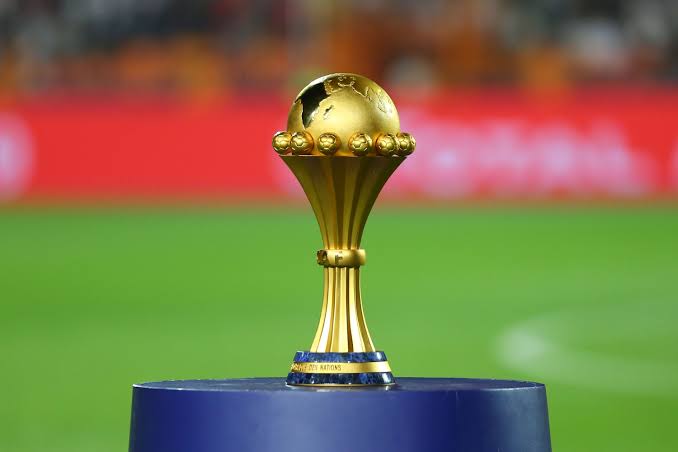
Ranked 11th in the world and top in Africa according to FIFA, Morocco get their tournament underway at 1900 GMT against Comoros at the newly built 69,000-capacity Prince Moulay Abdellah Stadium in Rabat. The match marks the beginning of what many hope will be a historic run for a team riding a world-record streak of 18 consecutive victories.
Head coach Walid Regragui has been clear about the ambition. Speaking on Saturday, he reiterated that nothing short of winning the trophy would be acceptable. He also acknowledged, however, that the burden of expectation is heavier on Morocco than on any other team, given their status, home advantage and recent achievements. According to him, while the pressure is intense, it is also motivating, even if failure to win would be viewed as a major disappointment.
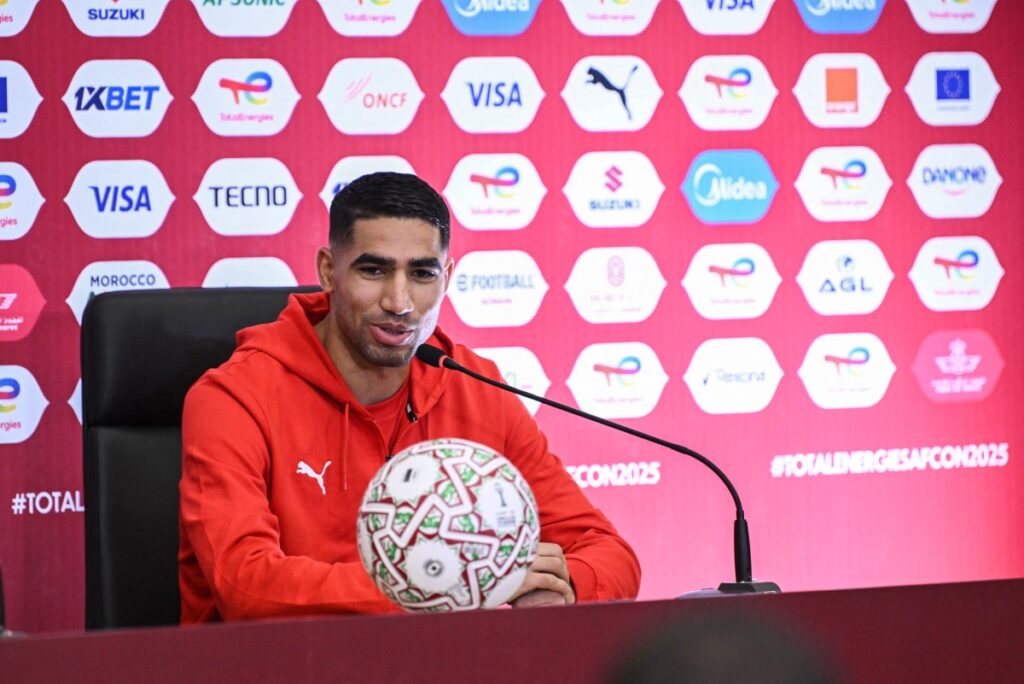
Hakimi, Africa’s reigning player of the year and a key figure for Paris Saint-Germain, has not featured since picking up an ankle injury in early November. Despite that, the right-back insisted he feels ready to contribute. Regragui cautioned that Hakimi may be rested for the opener with further Group A fixtures against Mali and Zambia ahead. The defender himself downplayed personal concerns, stressing that team success matters more to him than individual involvement.
Morocco’s confidence is fuelled by a recent run of success across different levels of football. The country lifted the Under-20 World Cup recently, and celebrations also erupted after Morocco claimed the FIFA Arab Cup title against Jordan in Doha earlier this week. Those victories have only heightened public belief that this AFCON could finally belong to the hosts.
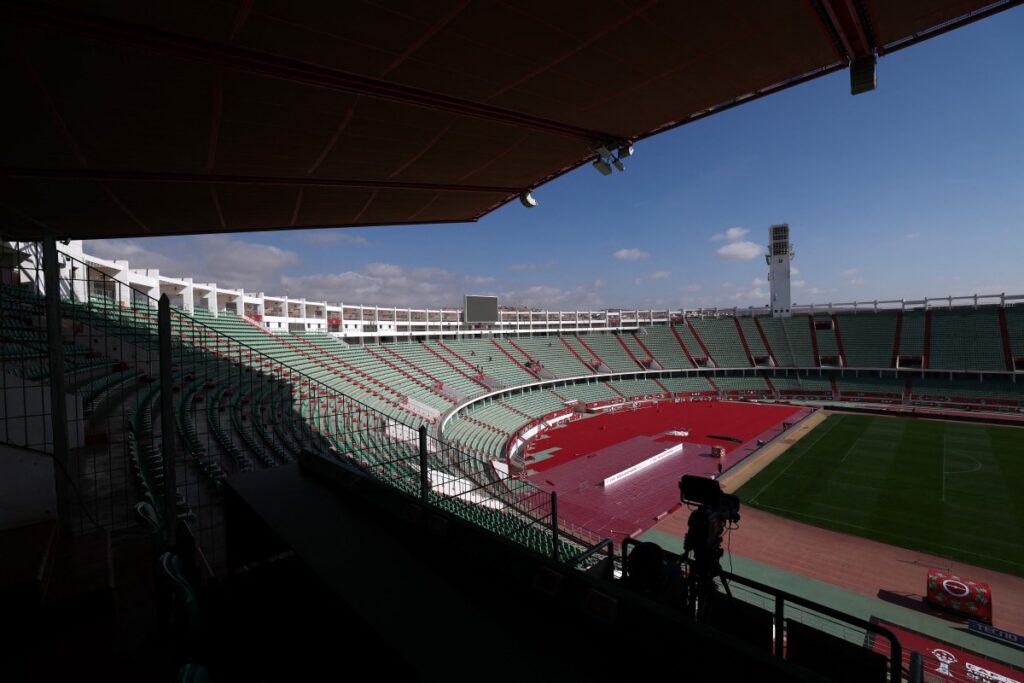
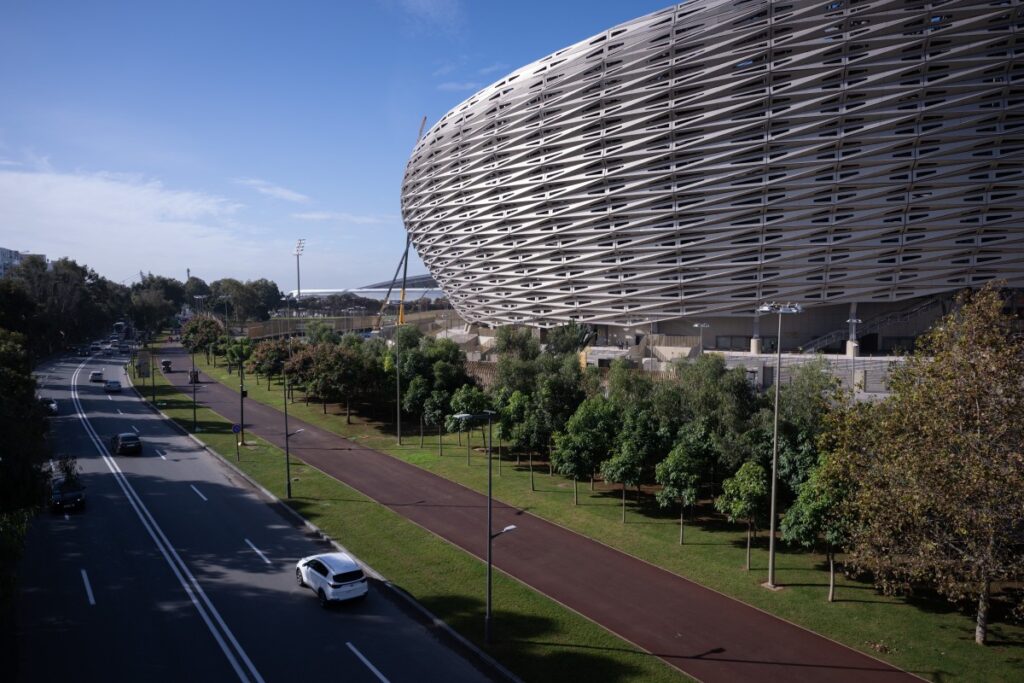
Beyond the football, the tournament also serves as a showcase for Morocco’s infrastructure. It is the nation’s first time hosting AFCON since 1988, and several modern venues are in use. The Prince Moulay Abdellah Stadium will also stage the final, while Rabat alone is hosting matches across four different stadiums. Elsewhere, a 75,000-seat arena in Tangier is set to host a semi-final, with games also scheduled for Casablanca, Marrakesh, Agadir and Fez. All of this forms part of Morocco’s broader preparations ahead of co-hosting the 2030 World Cup with Spain and Portugal.
The timing of the tournament reflects wider calendar challenges in global football. The expansion of FIFA’s Club World Cup earlier in the year forced the Confederation of African Football to delay AFCON. With the World Cup ruling out a summer slot and changes to the UEFA Champions League disrupting the traditional January–February window, CAF settled on a December start, running through to January when many European leagues pause.
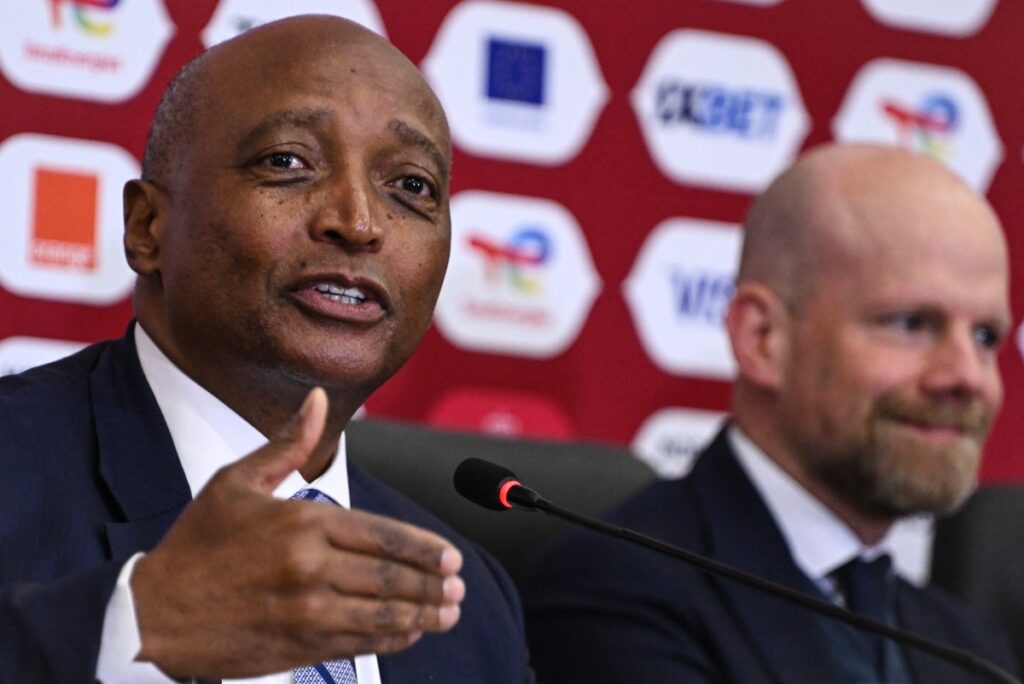
CAF president Patrice Motsepe acknowledged on Saturday that scheduling remains a concern, announcing that after a planned 2028 edition, the Africa Cup of Nations will move to a four-year cycle. He said the aim is to better align African football with the global calendar and reduce congestion for clubs and players.
Morocco are hoping to replicate Ivory Coast’s achievement of winning the last AFCON on home soil in 2024. Historically, North African nations have performed strongly when hosting, winning four of the last five editions staged in the region, including Algeria’s success in Egypt in 2019.
Attention will also be on Egypt, who are chasing a record eighth title under the leadership of Salah, although uncertainty surrounding his club future at Liverpool could be a distraction. Senegal, champions in 2022 and boasting talents such as Sadio Mane and Iliman Ndiaye, remain formidable contenders, while Nigeria arrive eager to redeem themselves after missing out on World Cup qualification.
Interestingly, Ghana and Cape Verde, both World Cup participants, are absent from the tournament. Following Sunday’s opener, the competition gathers pace on Monday with three fixtures, including South Africa against Angola and Egypt facing Zimbabwe in Group B.
What you should know
Morocco enter the Africa Cup of Nations as hosts and favourites, driven by a record winning streak, home support and recent international success.
However, intense pressure, strong rivals like Senegal, Egypt and Nigeria, and a congested global football calendar add complexity to their title ambitions.
The tournament also highlights Morocco’s modern stadiums and long-term vision ahead of co-hosting the 2030 World Cup.