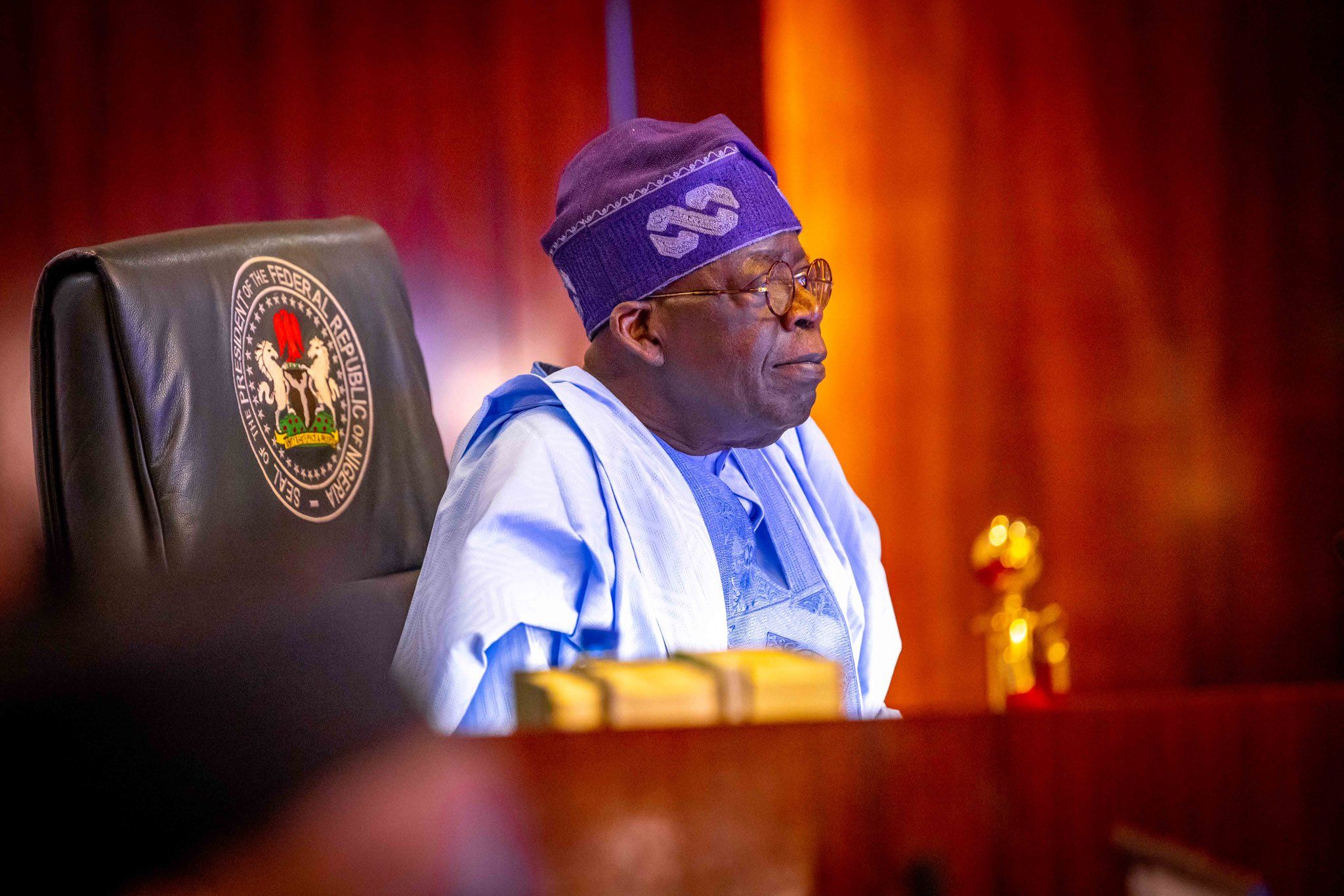
President Bola Tinubu on Wednesday formally requested the Senate’s approval for the appointment of new chief executives to head Nigeria’s petroleum regulatory agencies following the resignation of their substantive leaders.
The agencies affected are the Nigerian Midstream and Downstream Petroleum Regulatory Authority and the Nigerian Upstream Petroleum Regulatory Commission, both institutions established under the Petroleum Industry Act to oversee key segments of the oil and gas sector.
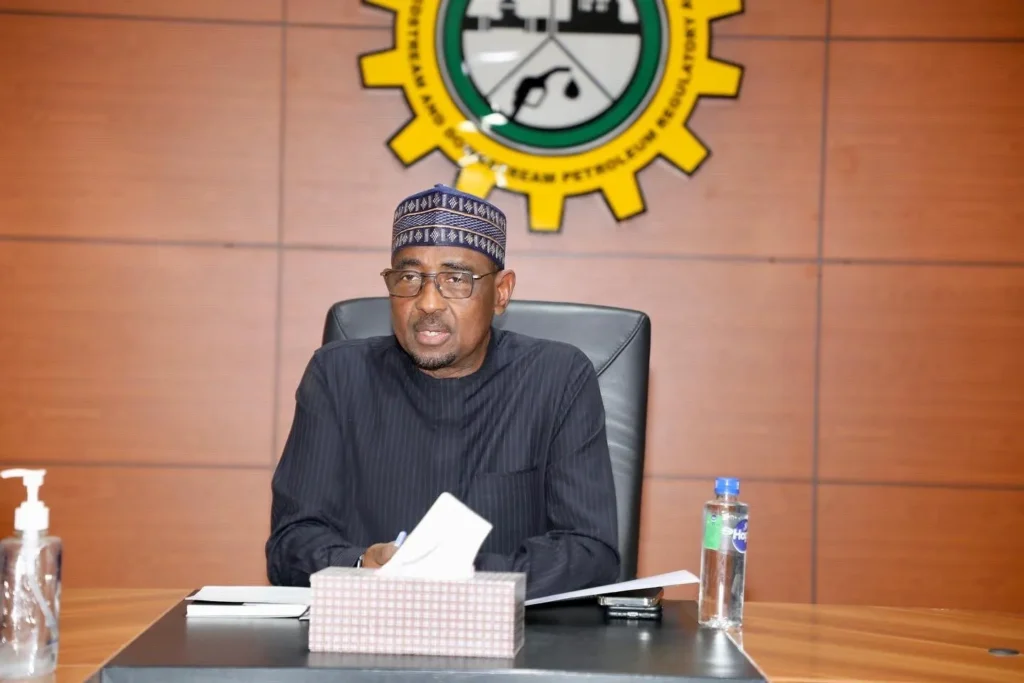
The departures involve Mr Farouk Ahmed, who served as Chief Executive of the NMDPRA, and Mr Gbenga Komolafe, who was Chief Executive of the NUPRC. Both officials were appointed in 2021 by former President Muhammadu Buhari to steer the newly created regulators at the inception of the Petroleum Industry Act framework.
In separate correspondence addressed to the Senate, President Tinubu nominated Mrs Oritsemeyiwa Amanorisewo Eyesan to assume leadership of the NUPRC, while Mr Saidu Aliyu Mohammed was put forward as Chief Executive of the NMDPRA.
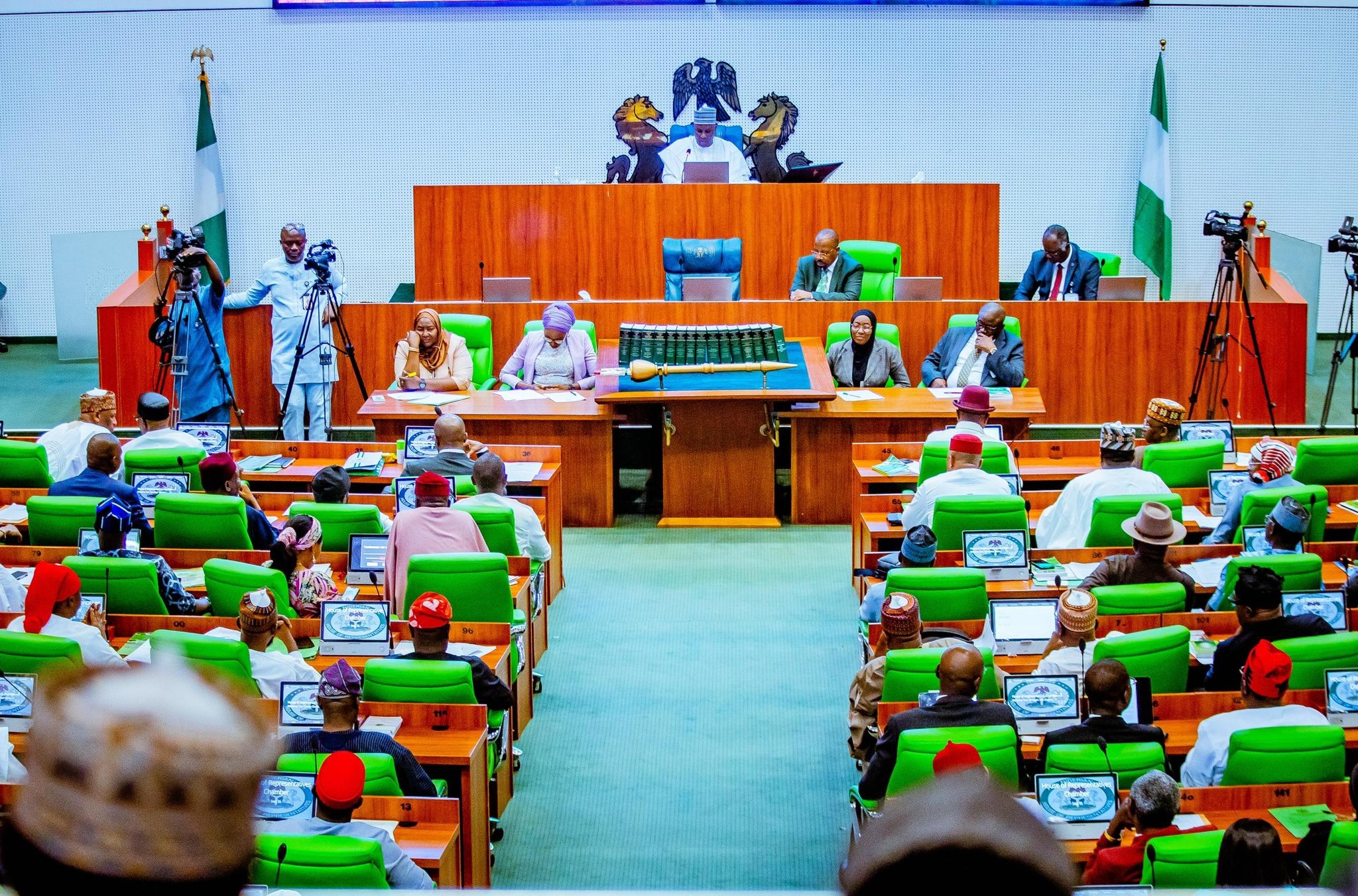
The President urged lawmakers to handle the confirmation process promptly, noting that swift approval would “ensure continuity and stability within the petroleum regulatory framework.”
Eyesan is an experienced petroleum economist with almost 33 years of service at the Nigerian National Petroleum Company Limited and its subsidiaries. She holds a degree in Economics from the University of Benin and retired recently as Executive Vice President, Upstream, at NNPC Ltd., a position she held between 2023 and 2024. Before then, she served as Group General Manager, Corporate Planning and Strategy, from 2019 to 2023, where she played a role in advancing strategic reforms in Nigeria’s upstream oil sector.
Mohammed, born in 1957 in Gombe State, earned a degree in Chemical Engineering from Ahmadu Bello University, Zaria, in 1981. He most recently served as an independent non-executive director at Seplat Energy and brings decades of leadership experience across Nigeria’s oil and gas industry.
His career includes stints as Managing Director of the Kaduna Refining and Petrochemical Company and the Nigerian Gas Company. He also chaired the boards of the West African Gas Pipeline Company, Nigeria LNG subsidiaries and NNPC Retail. Mohammed previously served as Group Executive Director and Chief Operating Officer for the Gas and Power Directorate, where he provided leadership on major gas projects and policy initiatives.
His contributions span the development of the Gas Masterplan, the Gas Network Code and inputs into the Petroleum Industry Act. He also played significant roles in the execution of projects such as the Escravos–Lagos Pipeline Expansion, the Ajaokuta–Kaduna–Kano Gas Pipeline and multiple Nigeria LNG train expansions.
The nominations were communicated through a statement issued by the President’s spokesman, Mr Bayo Onanuga.
What you should know
The nominations mark a critical transition in Nigeria’s oil and gas regulatory landscape following the exit of two senior officials appointed at the start of the Petroleum Industry Act era.
The Act reshaped governance of the sector, separating regulatory responsibilities across upstream, midstream and downstream operations. By seeking expedited Senate confirmation, President Tinubu aims to avoid leadership gaps that could disrupt regulation, investor confidence and policy implementation.
Both nominees bring extensive industry experience, suggesting a focus on continuity, technical competence and stability as Nigeria navigates reforms, energy transition pressures and the need to maximise value from its petroleum resources.