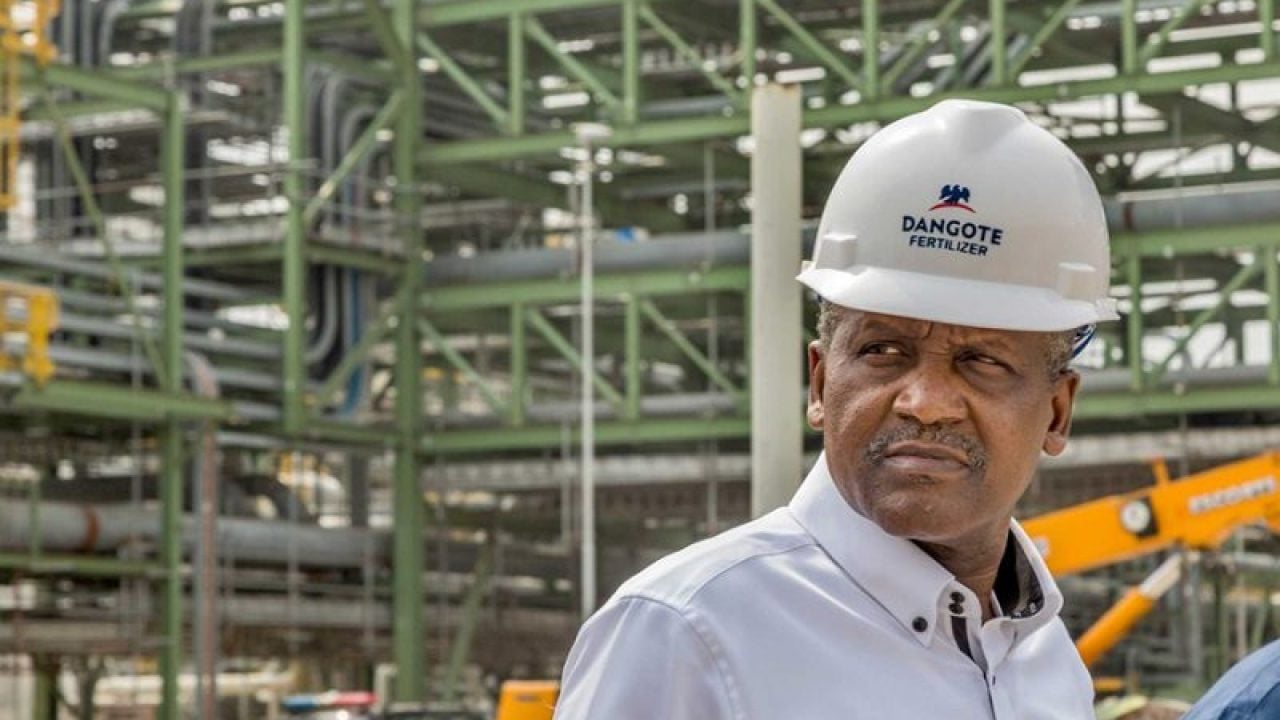
Founder and President of the Dangote Group, Aliko Dangote, has disclosed that the pump price of petrol will be reduced to ₦739 per litre across Nigeria starting Tuesday, with the rollout beginning at MRS filling stations in Lagos.
Speaking during a media briefing at the Dangote Refinery in Lekki on Sunday, Dangote revealed that the refinery had already lowered its gantry price from ₦828 to ₦699 per litre two days earlier, a move he said was aimed at easing the burden on consumers and stabilising the downstream sector.
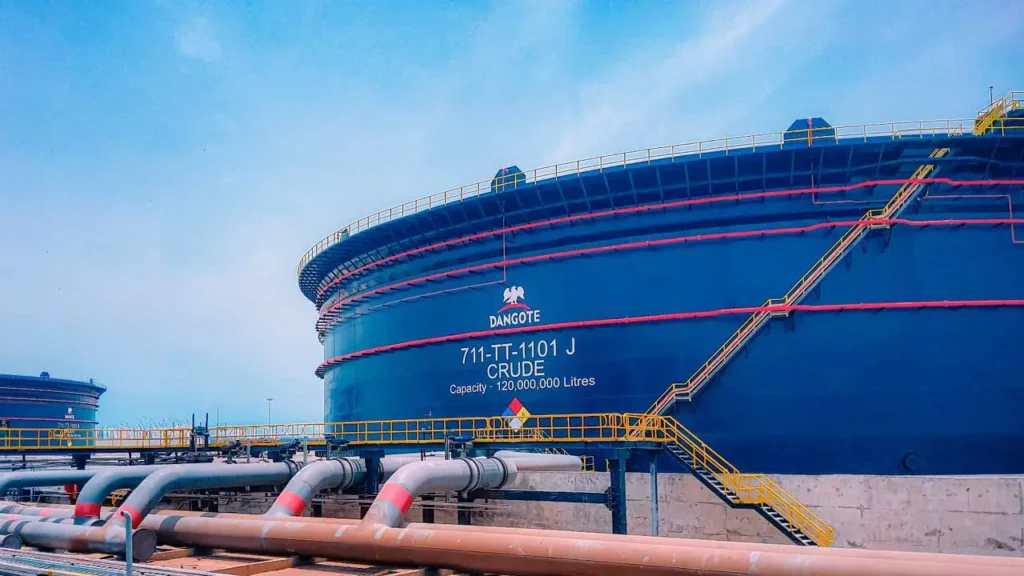
He stated that the new pump price would be strictly implemented, stressing that the company was determined to prevent price manipulation in the market.
“Starting from Tuesday, MRS will start selling petrol at N739/litre. Definitely, we will enforce that low price. We will make sure that it’s implemented. If you have your truck, you can come here and buy it. We are selling at N699. The N699 includes the percentage of NMDPRA. So what actually comes out to us is about N389 or so.”
Dangote accused some marketers of deliberately keeping pump prices high in a bid to undermine price reductions and frustrate government efforts, insisting that such practices would be resisted.
“Those who want to keep the price to sabotage the government, we will fight as much as we can to make sure that these prices are down. N970 is not the price. If you have money to come and buy, you can pick up petrol at N699,” he said.
According to him, reports had reached him that certain marketers had allegedly been encouraged to maintain inflated prices, a situation he said would soon change once the new pricing structure takes effect.
“I was told that the marketers have met with [some officials] and were told to make sure that the price is maintained high. But this price we are going to introduce, we are going to start with MRS stations most likely on Tuesday in Lagos; that N970 per litre, you won’t see it again,” Dangote added.
He further appealed to members of the Independent Petroleum Marketers Association of Nigeria and other bulk buyers to take advantage of the reduced gantry price, assuring them of sufficient supply.
“We have asked anybody who can buy 10 trucks to come and buy 10 trucks at N699. We are going to use whatever resources we have to make sure we crash the price down.
“Within a week to 10 days, we will be able to deliver. For this December and January, we don’t want people to sell petrol for more than N740 nationwide,” he said.
Dangote also questioned the justification for high pump prices, explaining that transportation costs from the refinery were minimal and should not significantly affect the final selling price.
“Freight within Lagos is N10 or N15, maximum. So if it’s N10 to N15, everything is going to cost you N715. Why do you want to sell at N900? People should get the real price,” he stated.
In addition, he criticised the Nigerian Midstream and Downstream Petroleum Regulatory Authority for granting 47 import licences for over 7.5 billion litres of petrol for the first quarter of 2026, arguing that such approvals undermine local refining capacity and discourage domestic investment.
“They normally issue licences in the middle of the month. They are now ready to issue licences for about 7.5 billion litres for the first quarter of 2026, despite the fact that we have guaranteed to supply enough quantity.
“Those modular refineries are almost on the verge of collapse. None of them is making a dime,” Dangote said.
What you should know
Aliko Dangote’s announcement signals a major intervention in Nigeria’s fuel pricing, with a planned nationwide reduction aimed at curbing inflated pump prices.
The Dangote Refinery has cut its gantry price and intends to enforce lower retail prices through selected marketers, beginning with MRS in Lagos. Dangote argues that logistics costs do not justify current high prices and accuses some marketers of deliberate price manipulation.
He also raised concerns about fuel import licences issued despite assurances of local supply, warning that continued imports could cripple modular refineries and discourage investment in domestic refining.