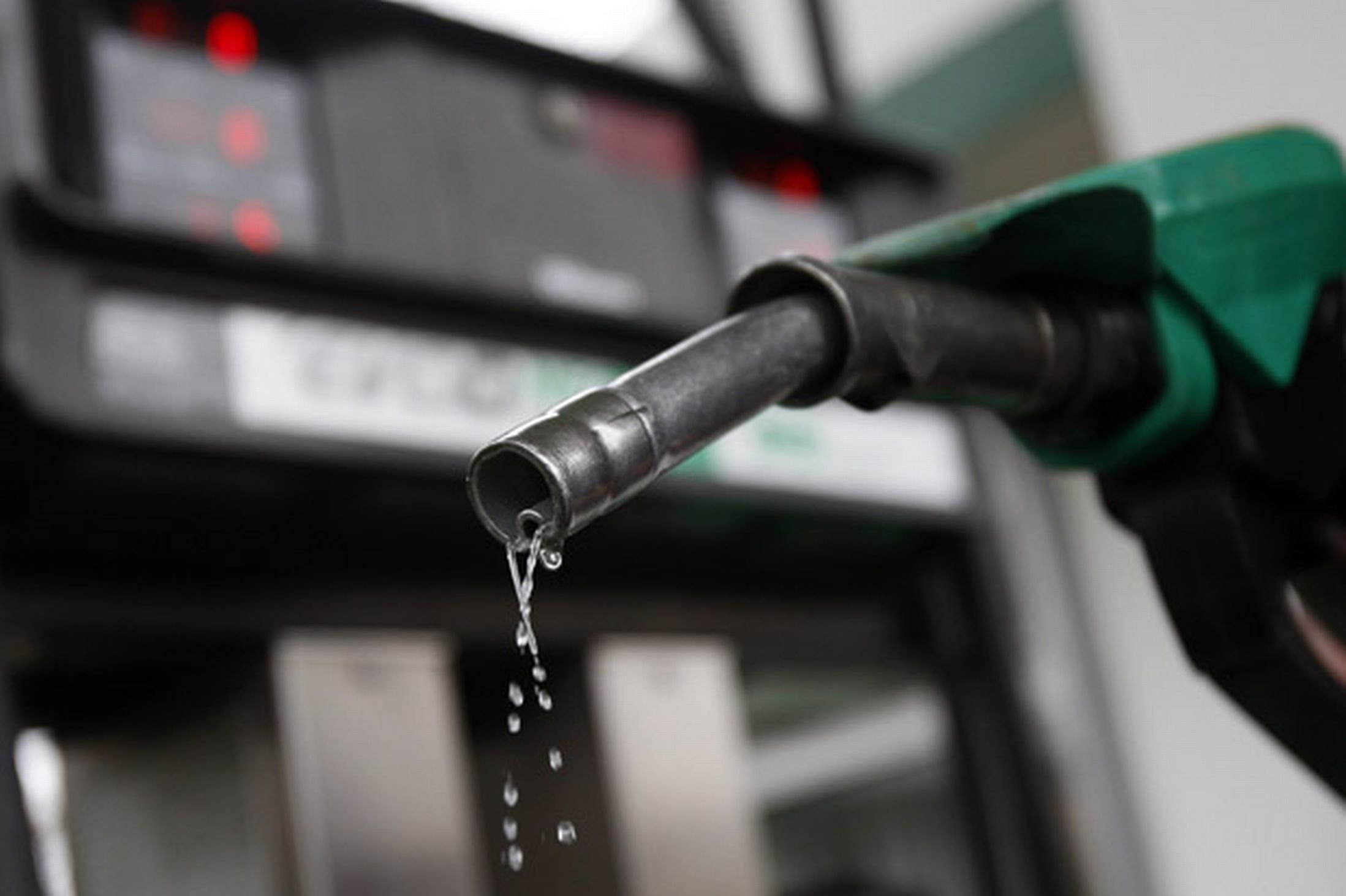
Nigeria’s daily petrol consumption declined to 52.9 million litres in November 2025, down from 56.74 million litres recorded the previous month, according to data released by the Nigerian Midstream and Downstream Petroleum Regulatory Authority (NMDPRA).
The 6.8 percent drop in consumption comes amid a significant shift in the country’s fuel supply landscape, with domestic refining capacity showing marked improvement even as imports surged to meet national demand.
Dangote Refinery Emerges as Key Supplier
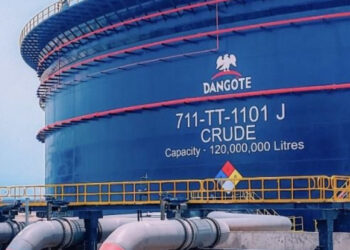
The most striking development in November was the performance of the Dangote Refinery, which increased its daily petrol output to 23.52 million litres—a 30 percent jump from October’s 18.03 million litres. The privately-owned facility has now become the backbone of Nigeria’s domestic refining capacity, accounting for the entirety of local production during the review period.
Total domestic supply rose to 19.5 million litres per day in November, up from 17.08 million litres in October. The NMDPRA hailed Dangote’s output as “a significant milestone in reducing Nigeria’s reliance on imported fuel,” a dependency that has long strained the nation’s foreign exchange reserves and undermined energy security.
Import Surge Reflects Supply Chain Pressures
Despite gains in local production, Nigeria’s petroleum imports climbed sharply to 52.1 million litres per day in November—nearly double the 27.6 million litres imported in October. This dramatic 89 percent increase was driven by multiple factors, according to the regulatory authority.
The regulator attributed the surge to supply shortfalls in September and October that failed to meet national demand, strategic stockpiling ahead of anticipated year-end consumption peaks, the Nigerian National Petroleum Company (NNPC) Limited’s efforts to rebuild inventory levels, and logistical delays that saw 12 vessels originally scheduled for October discharge their cargo in November instead.
The import spike underscores the fragility of Nigeria’s fuel supply chain and the continued gap between domestic production capacity and consumption needs—even as the Dangote Refinery scales up operations.
State-Owned Refineries Remain Dormant
In stark contrast to Dangote’s performance, the three state-owned refineries operated by NNPC Limited in Port Harcourt, Warri, and Kaduna produced zero petrol during November. All three facilities remained offline, languishing in various stages of rehabilitation or complete shutdown—a situation that has persisted for years despite billions of dollars allocated to turnaround maintenance.
The continued inoperability of these refineries places additional pressure on private sector players and importers to bridge the supply gap, while raising questions about the effectiveness of government investment in the aging facilities.
Consumption Patterns and Broader Energy Data
The November consumption figure represents a decline from recent peaks. October 2025 recorded the highest petrol consumption within the past year at 56.74 million litres daily, followed by November 2024 (56 million litres) and April 2025 (55.2 million litres), according to NMDPRA’s year-on-year analysis.
Beyond petrol, Nigeria’s November energy consumption included an average of 15.4 million litres of diesel per day, 2.5 million litres of aviation fuel daily, and 3,992 metric tonnes of cooking gas per day—figures that reflect the country’s diverse energy needs across transportation, aviation, and domestic sectors.
Looking Ahead
As Nigeria heads into the final month of 2025, industry analysts will be watching closely to see whether the Dangote Refinery can sustain its production growth trajectory and whether the anticipated year-end consumption spike materializes. The performance of domestic refineries—particularly the state-owned facilities—remains a critical factor in determining Nigeria’s path toward fuel self-sufficiency.
For now, the data presents a mixed picture: encouraging progress from the private sector, persistent challenges with public infrastructure, and an energy sector still heavily dependent on imports to keep Africa’s largest economy running.
WHAT YOU SHOULD KNOW
Nigeria’s petrol consumption fell to 52.9 million litres daily in November 2025, but the real story is the Dangote Refinery’s emergence as the country’s sole functioning refinery—now producing 23.52 million litres per day while all three state-owned refineries remain completely non-operational.
Despite this progress, Nigeria still imported 52.1 million litres daily to meet demand, revealing that even with Dangote’s increased output, the country remains heavily dependent on fuel imports and is far from achieving energy self-sufficiency.
The stark contrast between private sector success and public sector failure in Nigeria’s refining industry couldn’t be clearer.