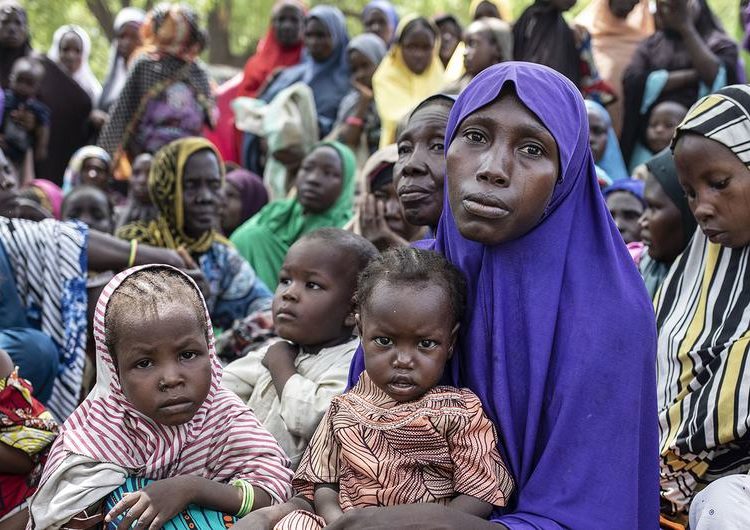
For over a decade, Nigeria has battled the expansion of banditry, particularly across the North-West and North-Central regions. Despite repeated military strikes, air bombardments, and coordinated ground operations, the cycle of violence continues. Villages are raided, roads become death traps, schools are attacked, farmers are displaced, and thousands of citizens live in fear.
Why is it that even with stronger military action, banditry persists?
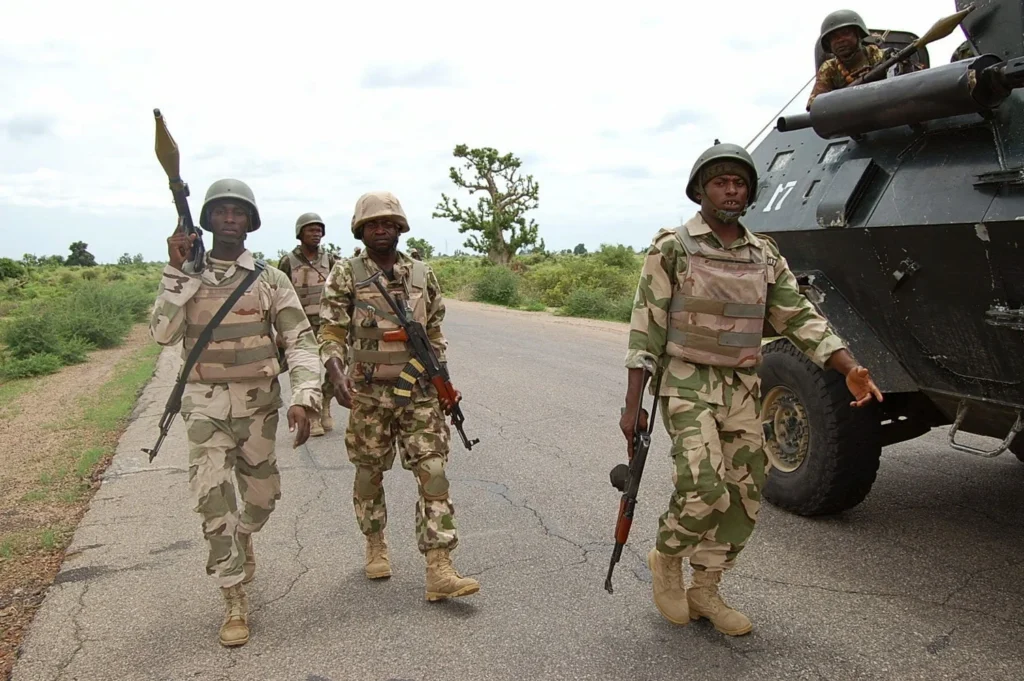
The answer is simple: security problems rooted in social injustice, illiteracy, extremist indoctrination, and economic frustration cannot be solved by force alone. Military firepower can suppress violence temporarily, but it cannot eliminate the systems, networks, and ideologies that fuel it.
To truly end banditry, Nigeria needs a holistic approach, one that combines law enforcement, education, socio-economic reform, and community reorientation. Below are the key solutions.
Prosecution of Individuals Who Promote or Fund Extremist Ideologies
One of the least addressed drivers of banditry in Nigeria is the silent influence of extremist ideologies. In several Northern communities, radical teachings, often disguised as religious instruction, have shaped the mindset of vulnerable youths, normalised violence, and provided justification for criminal activity. Bandits do not operate in isolation; they depend on ideological enablers who manipulate religion, culture, or local authority to recruit, motivate, and protect criminal groups.
To dismantle this support system, Nigeria must adopt a zero-tolerance policy against any individual, religious, tribal, or political, who spreads extremist doctrine or uses their platform to shelter criminals. This is not about attacking a religion or a region; it is about protecting national security by ensuring that those who fuel violence through words, finances, or influence are held accountable.
A comprehensive approach would involve:
a. Thorough Investigation of Individuals Linked to Extremist Preaching
Security agencies must intensify surveillance and background checks on any leader suspected of preaching hate, justifying violence, or encouraging citizens to resist state authority. This includes:
- Monitoring sermons, lectures, and public statements
- Reviewing past arrests, complaints, or documented extremist activities
- Engaging community members to understand the influence such individuals wield
- Examining funding sources and networks of support
Any pattern of behaviour that promotes radicalisation should trigger immediate legal action.
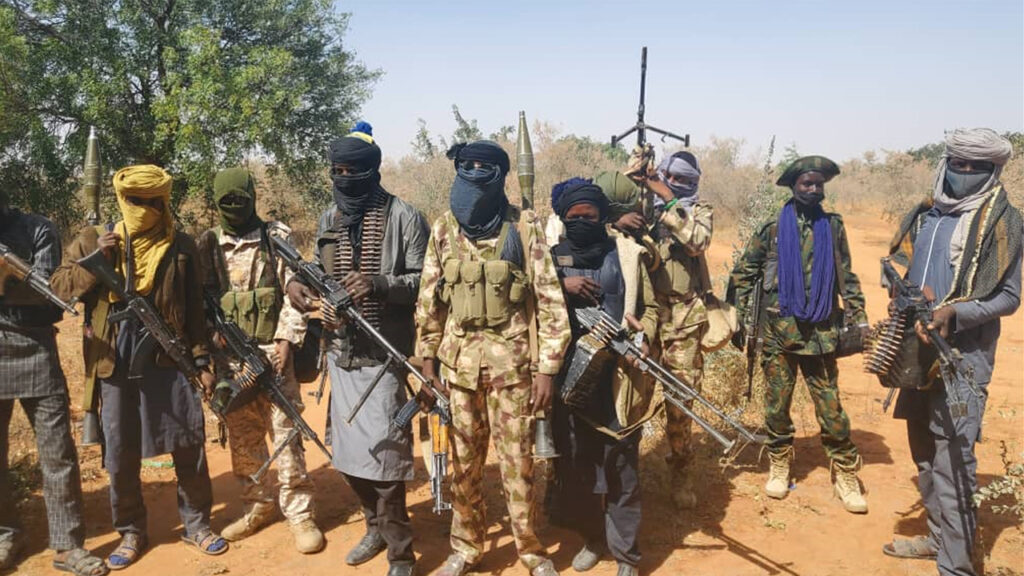
b. Prosecution of Leaders Who Aid or Fund Banditry
Extremist ideology often goes hand-in-hand with financial and logistical support. Some leaders openly endorse criminal groups through coded language, while others secretly fund or protect them for political advantage or personal gain.
Those found guilty must face:
- Charges under anti-terrorism and anti-radicalisation laws
- Financial seizure of assets linked to terror funding
- Public exposure of their networks to deter others
- Long-term monitoring to prevent re-engagement with extremist groups
This sends a strong message that influence does not place anyone above the law.
c. Monitoring Religious and Cultural Spaces for Compliance
Mosques, seminaries, schools, community centres, and local gatherings must be monitored not to suppress worship or culture, but to ensure that they are not being exploited by extremists.
This requires:
- Regular inspections by peace and interfaith committees
- Increased coordination between security agencies and credible religious leaders
- Enforcement of guidelines on acceptable teaching content
- Suspension or shutdown of institutions found promoting radical ideology
Safe, peaceful religious practice is a national right; radicalisation is not.
d. Strengthening Community Intelligence Networks
Extremist supporters thrive where communities remain silent, either out of fear or loyalty. To break this cycle, Nigeria must build strong local intelligence structures by:
- Encouraging community members to anonymously report extremist activity
- Training local vigilante groups and traditional rulers on early detection
- Establishing community security hubs in high-risk areas
- Providing legal protection for whistleblowers
Intelligence from residents remains the most powerful tool for identifying ideological sponsors of banditry.
This strategy is not aimed at demonising Islam or Northern culture. It is about applying existing national laws on radicalisation, incitement, and terror financing. True religious leaders support peace; extremists hide behind religion to justify violence. Nigeria must draw a clear line between the two.
Enforcing Policies That Ensure All Northern Children Are in School
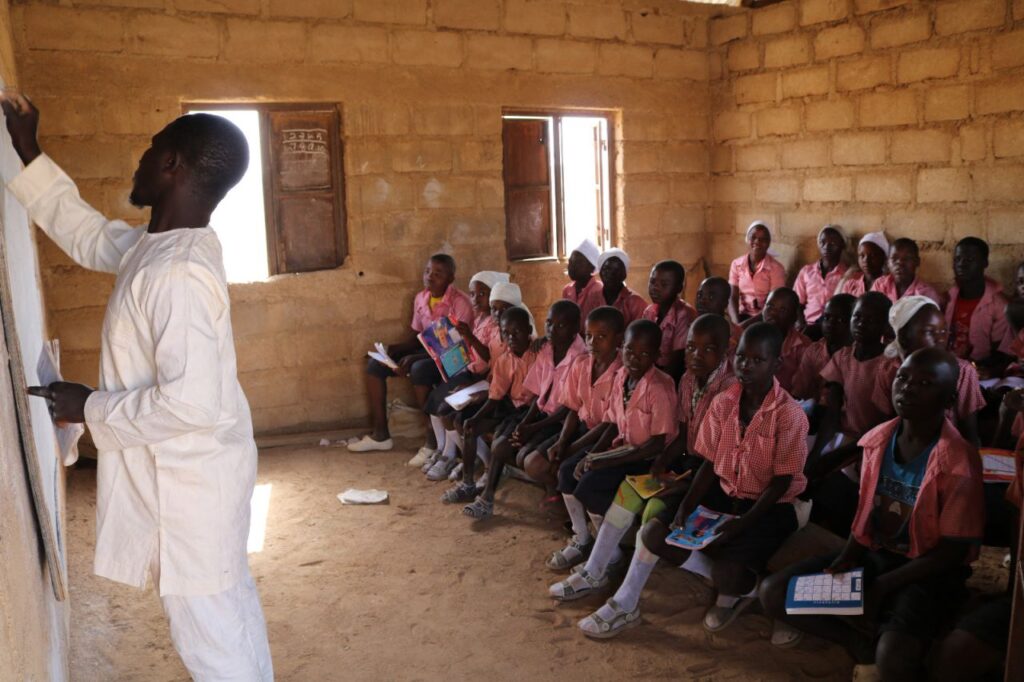
One of the most significant root causes of banditry in Northern Nigeria is the alarming number of out-of-school children. With an estimated 10 to 13 million children lacking access to formal education, the highest in the world, the region has become a fertile ground for radicalisation, child exploitation, criminal recruitment, and drug abuse. When millions of young people grow up without education, structure, guidance, or hope, they become vulnerable to manipulation by extremist groups, bandit leaders, and political actors who exploit their desperation.
To break this cycle of insecurity, Nigeria must urgently enforce existing laws and redesign policies that compel every child to be in school, regardless of social status, gender, or community norms. Education is not merely a development tool; in the North, it is a security strategy.
Education as the Ultimate Weapon Against Banditry
Military operations can disrupt criminal networks, but they cannot end the cycle of banditry if millions of children remain uneducated. Schooling weakens recruitment pipelines, discourages radicalisation, and gives young people productive alternatives to crime.
A child with hope, knowledge, and opportunity is far less likely to become a bandit or fall under the influence of extremist ideology.
Education is not just nation-building. It is nation-saving.
Long-Term Sensitisation and Reorientation Workshops for Northern Communities
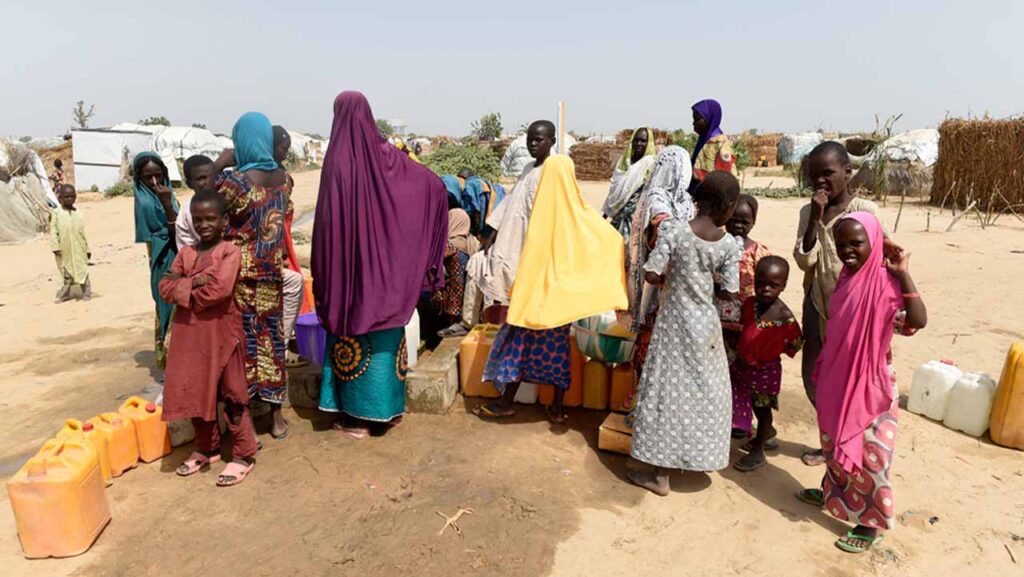
Decades of extremist influence, misinformation, and cultural manipulation in Northern Nigeria have deeply shaped the worldview of many communities. Insecurity in the region is not only driven by poverty or weak policing, it is reinforced by entrenched beliefs that normalise violence, justify rebellion against the state, and glorify armed groups. These mindsets cannot be reversed through military force alone. Nigeria needs a long-term, consistent, community-wide reorientation strategy that actively reshapes public perception.
Sustainable peace requires transforming attitudes, correcting misinformation, and rebuilding trust in government institutions. This is a sensitive but necessary process that must be handled with respect for culture, religion, and local identity, with the aim of empowering communities, not attacking their beliefs.
A comprehensive reorientation strategy should include:
a. Periodic Sensitisation Workshops Across All Local Government Areas
Rather than conducting ad-hoc meetings after major attacks, the government and relevant agencies must organise regular sensitisation workshops across Northern communities. These workshops should:
- Educate citizens on the dangers of extremism and the tactics used by radical recruiters
- Promote understanding of national security policies
- Address misconceptions about Western education, government intervention, and modern civic values
- Teach conflict resolution and peaceful coexistence
Repetition is essential. Mindset change happens gradually, through continuous exposure to positive messaging.
b. Community-Level Discussions on Peace, Religious Tolerance, and Civic Responsibility
Extremist ideologies often thrive because everyday conversations in some communities are shaped by suspicion, intolerance, and misinformation. To counter this:
- Community dialogues should be organised to address religious tolerance, peaceful living, and respect for diversity
- Youth-focused forums should discuss responsible citizenship, employment alternatives, and the consequences of crime
- Women’s associations should be included, as mothers often play a central role in shaping children’s values
- Schools should integrate civic education, anti-extremism messages, and peace-building modules
When communities openly discuss peace and tolerance, extremist propaganda loses its power.
c. Engaging Traditional Rulers, Imams, Civil Society Groups, and Youth Leaders
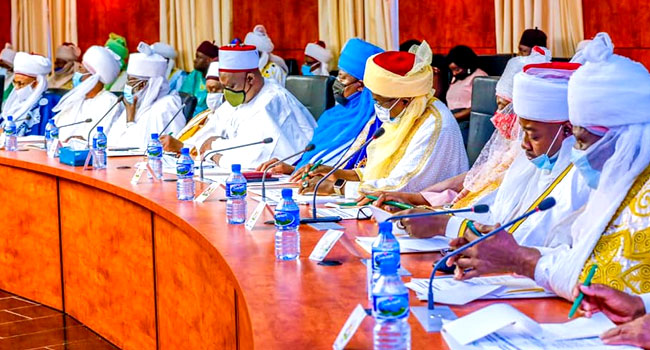
For reorientation to be effective, trusted voices must lead the conversation. Many communities listen more to their local leaders than to government officials. Therefore:
- Traditional rulers should champion anti-extremism campaigns
- Imams should promote accurate religious teachings that reject violence
- Civil society organisations should facilitate interactions between communities and security agencies
- Youth leaders should help mobilise attendance and participation
- Religious scholars should debunk extremist interpretations through sermons and media appearances
When influential figures promote peace, communities are more willing to follow.
d. Leveraging Radio, Local Drama, Social Media, and Townhall Campaigns
Northern Nigeria is heavily influenced by local media. Radio remains one of the most powerful communication tools, while drama, storytelling, and street theatre hold cultural significance.
A multilayered communication strategy should:
- Run daily peace-awareness programmes on local radio stations in Hausa and Fulfulde
- Use community drama groups to act out stories that highlight the consequences of banditry
- Promote counter-extremism content on TikTok, Facebook, and WhatsApp, where misinformation often spreads
- Host townhall campaigns with security personnel, religious leaders, and community representatives
People trust what they see repeatedly in familiar formats. Communication must meet communities where they are.
Reorientation Must Be Consistent, Not Seasonal
A one-off sensitisation programme cannot undo decades of radical influence. Mindsets formed over generations require years of consistent engagement to change. Reorientation must become a continuous public policy, not a reactionary measure after violence.
Changing ideology is slow, but it is the most powerful long-term defence against extremism. When a community no longer believes in the legitimacy of violence or radical teachings, banditry loses its social foundation.
Combined Military Operations to Dismantle Bandit Networks

While social reforms address the ideological and structural roots of insecurity, military action remains necessary to dismantle existing criminal networks and restore public safety. Nigeria requires a unified, intelligence-driven, and highly coordinated security strategy.
a. Conducting Joint Military-Police-DSS Operations
Success depends on coordination between:
- The Nigerian Army and Air Force for field operations
- The Police for local intelligence gathering and community policing
- The Department of State Services (DSS) for counterintelligence and investigation
Joint operations ensure that bandit leaders and their networks cannot evade capture.
b. Eliminating Bandit Camps, Hideouts, and Forest Bases
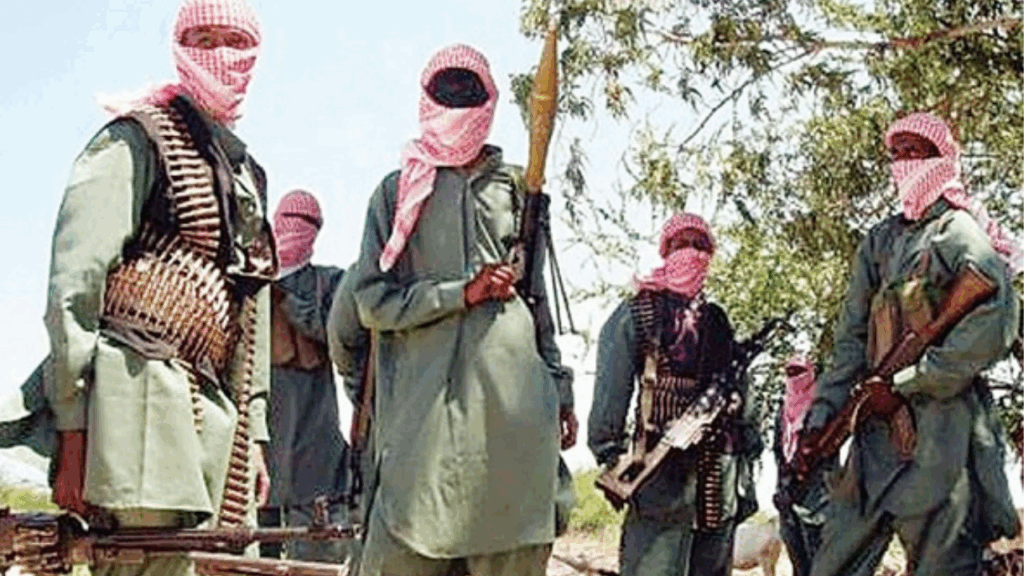
Banditry persists due to inaccessible hideouts in forests and remote areas. Military operations must focus on:
- Systematically locating and destroying camps
- Clearing weapon stockpiles and supplies
- Denying bandits safe havens to regroup
This weakens the operational capacity of criminal groups.
c. Recovering Arms and Ammunition
Confiscation of weapons, explosives, and ammunition is critical to reducing violence. This includes:
- Weapons surrendered voluntarily or seized during raids
- Tracking arms smuggling routes
- Strengthening coordination with border security agencies to prevent inflows
d. Strengthening Border Control
Many weapons and recruits cross national borders. Measures should include:
- Surveillance and monitoring of known smuggling routes
- Increased checkpoints and intelligence operations along borders
- Collaboration with neighbouring countries on shared security threats
e. Arresting and Prosecuting Every Identified Bandit Without Political Interference
Justice must be decisive and impartial. This entails:
- Immediate arrest of bandits identified through operations and intelligence
- Full prosecution under the law without granting unofficial amnesty or negotiating deals
- Transparent legal processes to deter future criminal activity
Military action must complement social and educational strategies together, they create both short-term security and long-term stability.
Employment, Training, and Attractive Compensation for Teachers

Teachers are the backbone of societal development and a critical line of defence against banditry. Northern Nigeria suffers from a shortage of qualified educators, while existing teachers often work under unsafe, underpaid, and demotivating conditions. Strengthening the teaching workforce directly impacts education outcomes and long-term community resilience.
- Recruiting More Qualified Teachers Across Northern States
- Providing Specialised Training on Modern Teaching Methods
- Offering Competitive and Timely Salaries
- Providing Housing Allowances, Rural Posting Incentives, and Security Guarantees
- Investing in Teacher Welfare to Reduce Attrition
A strong educational workforce is the most powerful long-term weapon against banditry, preventing radicalisation and providing alternatives to crime for future generations.
Conclusion
Ending banditry in Nigeria requires more than coordinated military strikes. It demands a complete transformation of the social, educational, and ideological conditions that allow insecurity to thrive.
By prosecuting extremist influencers, enforcing compulsory education, reorienting communities, strengthening combined security operations, and investing in teachers, Nigeria can dismantle the roots of banditry not just its symptoms.
A safer Nigeria is possible. But it will take more than bullets. It will take courage, political will, and long-term commitment to building a society where young people no longer see banditry as a path to survival.