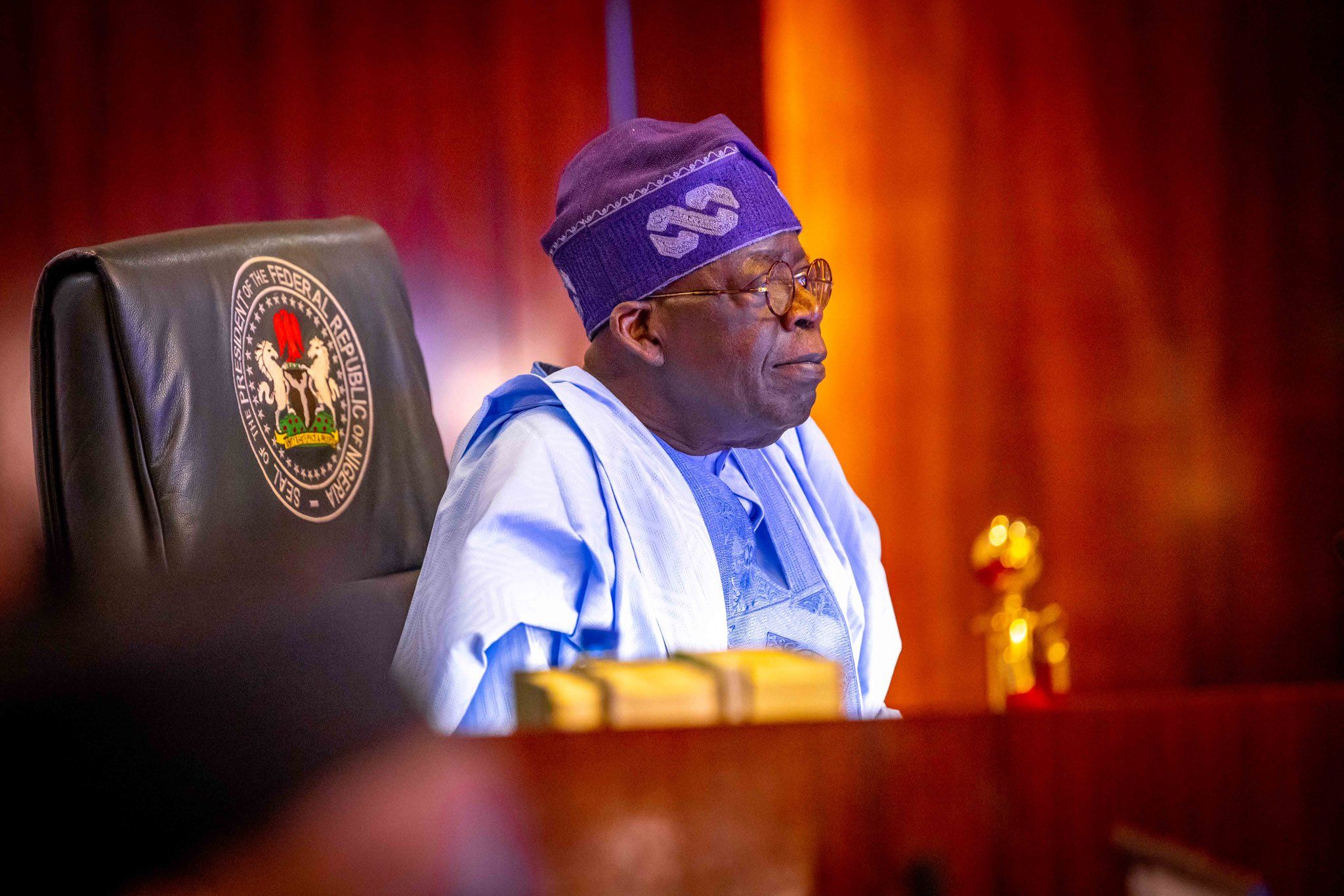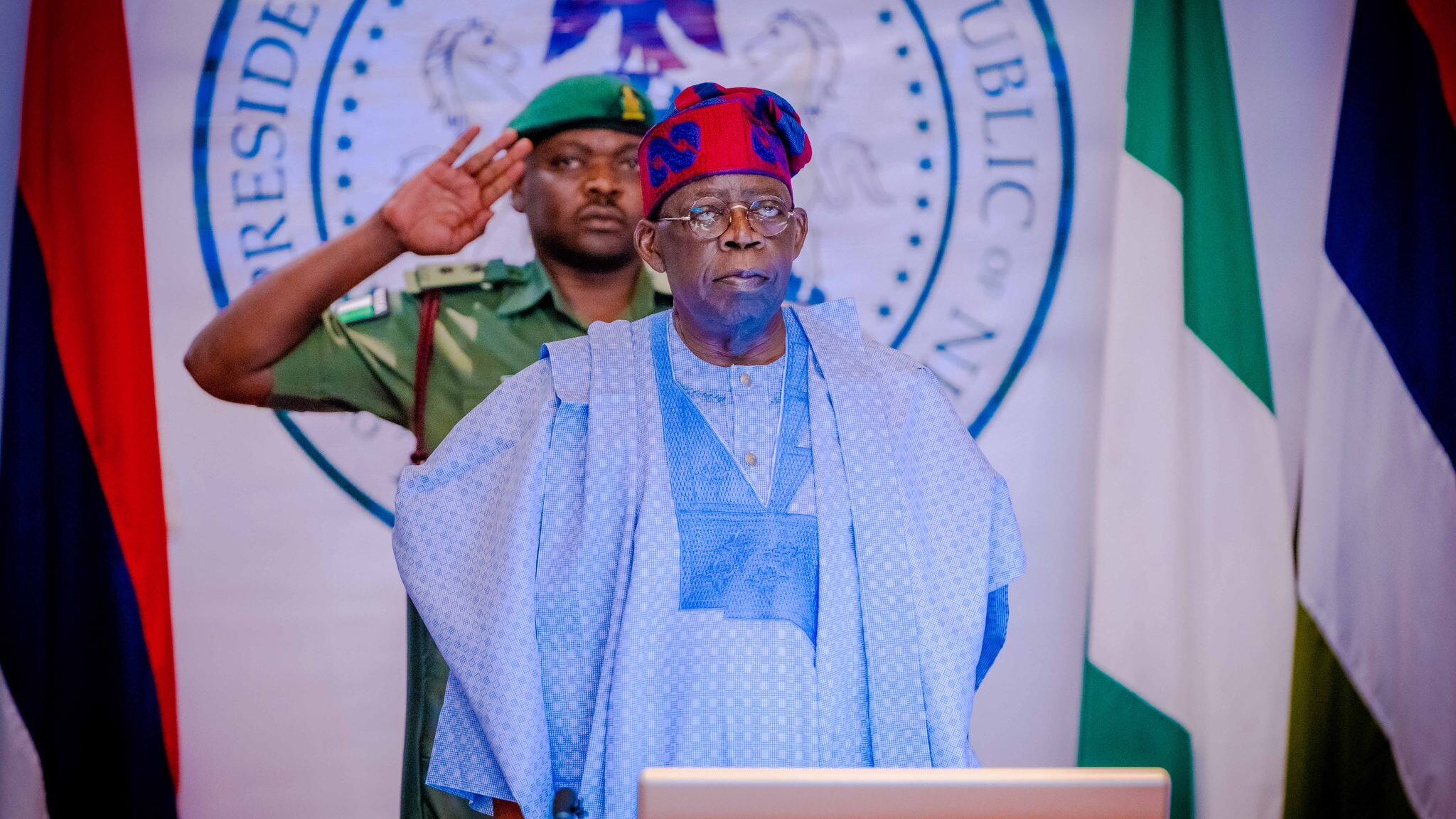
President Bola Tinubu has submitted a formal request to the Senate seeking the confirmation of 65 ambassadorial nominees, made up of 34 career diplomats and 31 non-career ambassadors and high commissioners.
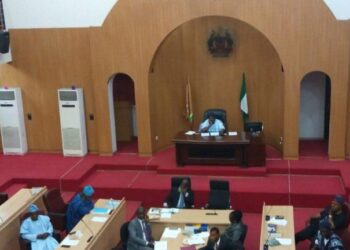
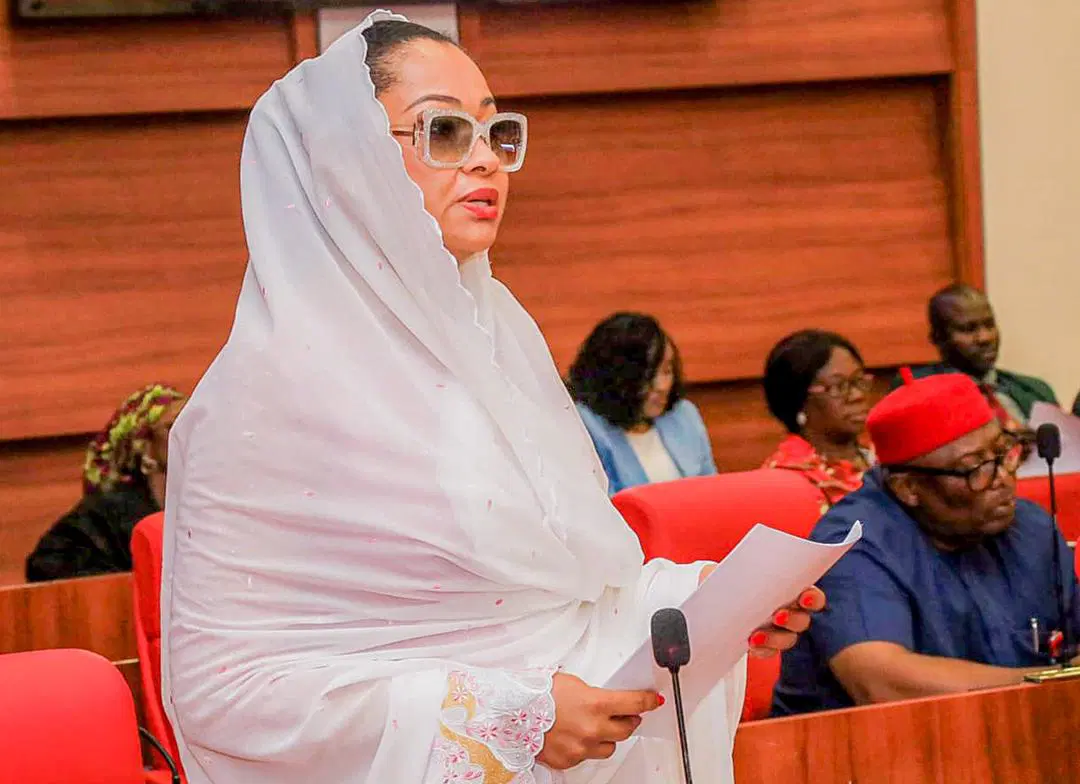
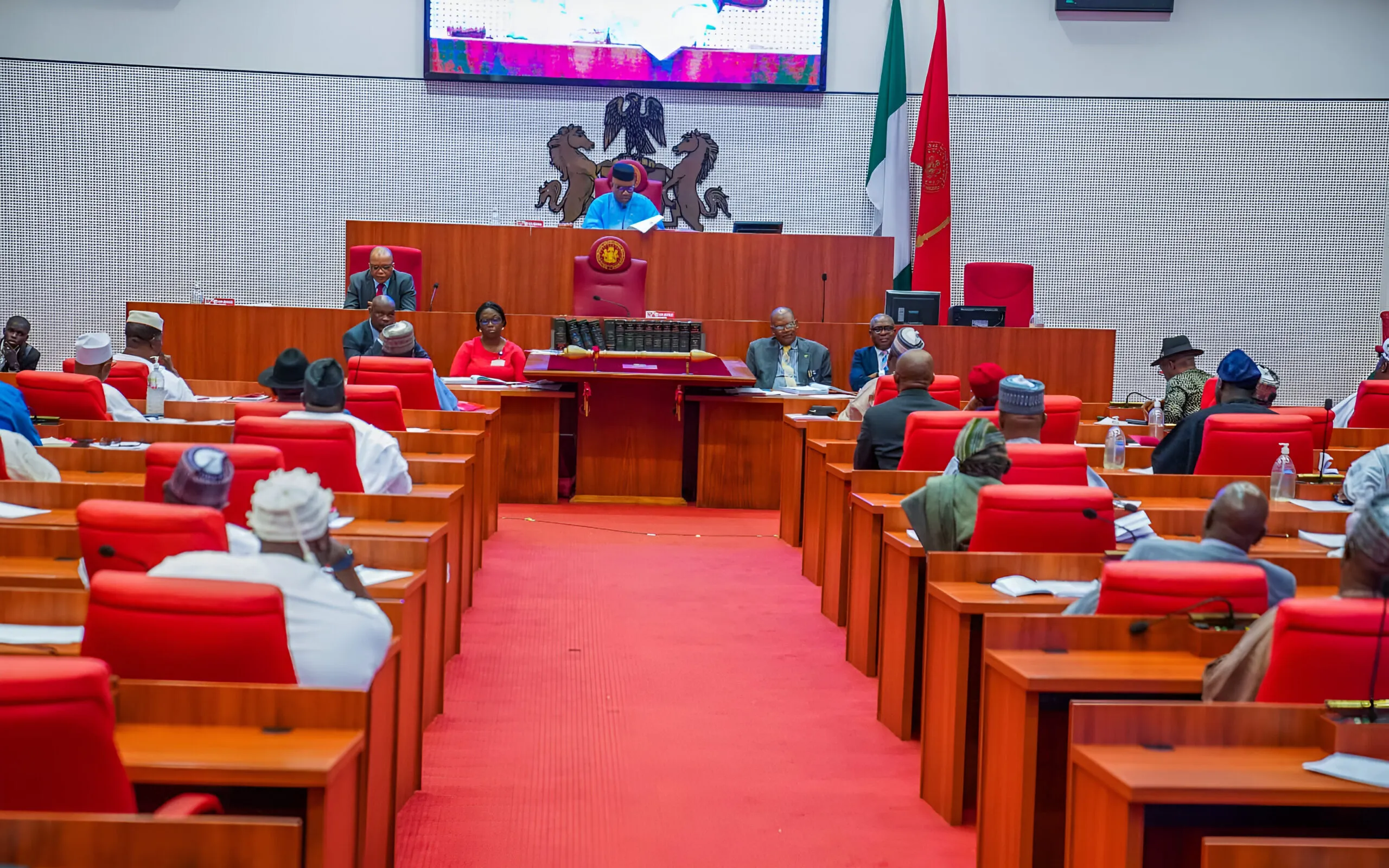
The correspondence containing the request was presented during Thursday’s plenary by Senate President Godswill Akpabio, who read the letter to members of the upper chamber.
The list of non-career nominees includes several well-known political personalities, such as former Chairman of the Independent National Electoral Commission (INEC), Mahmood Yakubu; former Minister of Aviation, Femi Fani-Kayode; former Abia State Governor, Okezie Ikpeazu; and a former presidential aide, Reno Omokri.
Also featured on the list are Senator Ita Enang; former Enugu State Governor, Ifeanyi Ugwuanyi; Chioma Ohakim; Bello Danbazau; Vice Admiral Ibok Ete (retd.); and Senator Jimoh Ibrahim, among other nominees.
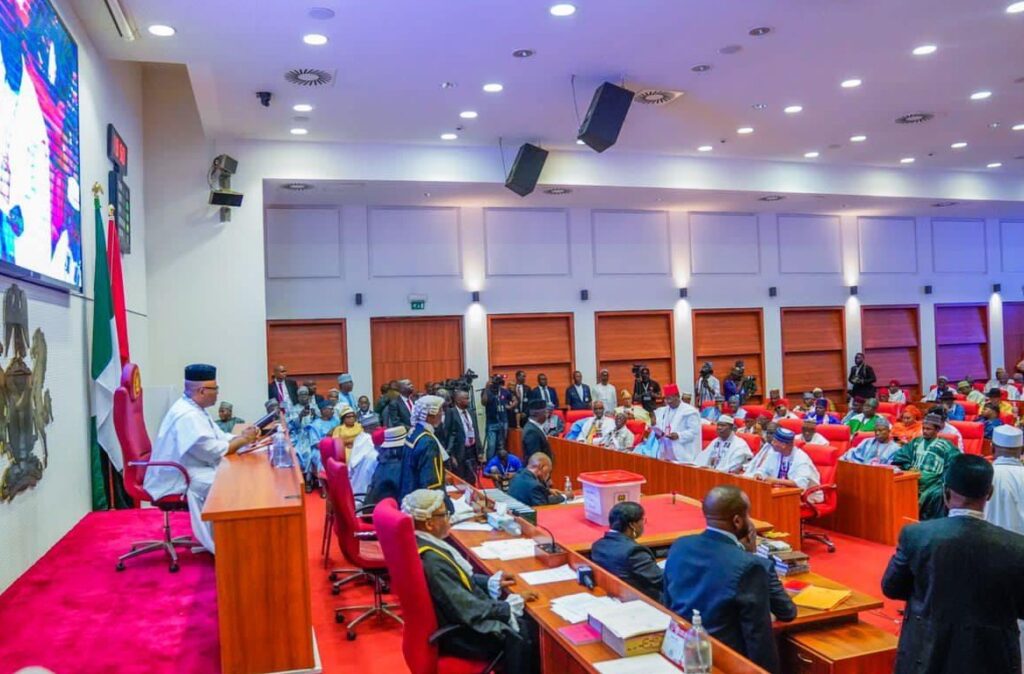
Both the career and non-career lists have been sent to the Senate Committee on Foreign Affairs, which has been mandated to carry out the screening and present its findings to the full Senate within one week.
The latest batch of 65 nominees brings the total number of ambassadorial candidates awaiting Senate approval to 68.
Three nominees, Kayode Are, Aminu Dalhatu, and Ayodele Oke, have already undergone screening by the Senate Committee on Foreign Affairs.
What you should know
This development marks one of the most extensive ambassadorial nomination exercises under President Tinubu, reflecting his administration’s effort to strengthen Nigeria’s diplomatic representation abroad.
The inclusion of several influential political figures signals a blend of technocratic expertise and political appointments within the diplomatic corps. With the Senate Committee on Foreign Affairs given a one-week timeline to conduct screenings, the process is expected to move swiftly.
The confirmation of these nominees will shape Nigeria’s foreign policy presence, strategic partnerships, and global engagements across key regions. The expanded list also indicates the administration’s intention to fill critical diplomatic gaps and reenergize bilateral and multilateral relations at a crucial geopolitical moment.