Biography and Early Life
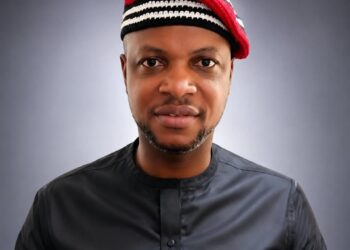
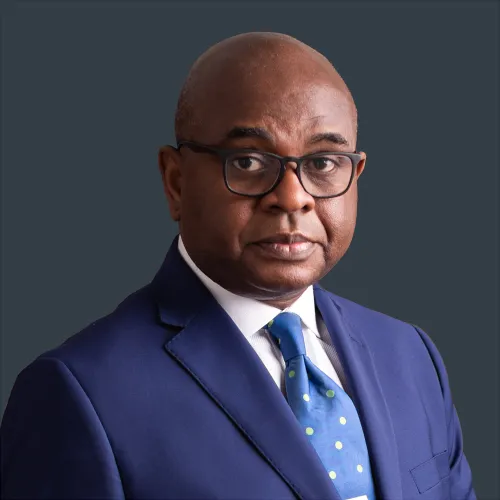
Kingsley Chiedu Moghalu was born on July 18, 1963, in Lagos, Nigeria. He hails from Anambra State in Southeast Nigeria, specifically from the town of Nnewi, known for its entrepreneurial culture and production of notable business figures. Growing up during Nigeria’s oil boom years and subsequent economic challenges, Kingsley Moghalu witnessed firsthand the country’s developmental struggles and unfulfilled potential.
His formative years coincided with Nigeria’s political instability, including military coups and the Biafran War’s aftermath in the Southeast. These experiences shaped his understanding of Nigeria’s complexities and informed his later perspectives on nation-building, economic development, and governance.
Educational Background
Moghalu’s educational credentials are exceptionally impressive, reflecting a commitment to academic excellence and continuous learning:
University of Nigeria, Nsukka (UNN): He earned his Bachelor of Arts degree in International Relations, providing a foundation in global politics and diplomacy.
London School of Economics and Political Science (LSE): Obtained a Master’s degree in International Relations, studying at one of the world’s premier institutions for political economy and international affairs.
Fletcher School of Law and Diplomacy, Tufts University: Earned a second Master’s degree and later a Ph.D. in International Relations and Diplomacy from this prestigious institution in Massachusetts. The Fletcher School is renowned for producing top-tier diplomats, international lawyers, and global affairs experts.
Swiss Federal Institute of Technology (ETH Zurich): Conducted post-doctoral research in risk management.
Institut Européen d’Administration des Affaires (INSEAD): Completed executive education programs in leadership and strategy.
This extraordinary educational background—spanning multiple continents and combining theoretical knowledge with practical executive training—prepared Moghalu for leadership roles in international organizations and Nigerian public service.
International Career
Before returning to significant roles in Nigeria, Moghalu built an impressive international career:
United Nations (1992-2008)
Moghalu spent 17 years working for the United Nations in various capacities:
Legal and Political Affairs: Worked in the UN’s legal and political affairs departments, dealing with complex international legal and diplomatic issues.
Special Assistant to the President of the International Criminal Tribunal for Rwanda (ICTR): Served in Arusha, Tanzania, during the historic prosecution of individuals responsible for the 1994 Rwandan genocide. This role gave him firsthand experience with post-conflict justice, international law, and complex political negotiations.
UN Field Operations: Worked in various conflict and post-conflict environments, including Cambodia and Croatia, gaining practical experience in peacekeeping, state-building, and international development.
Global Affairs Expertise: Through his UN career, Moghalu developed deep expertise in international law, diplomacy, conflict resolution, and institution-building—skills he would later seek to apply to Nigeria’s challenges.
Private Sector and Academic Work
Banking Sector: After leaving the UN, Moghalu worked briefly in the private sector, including roles in international banking and finance.
Academic Appointments: He has held various academic positions, including:
- Professor of Practice at Fletcher School, Tufts University
- Visiting Scholar at Oxford University
- Lecturer at various international institutions
Published Author: Written several books on development, governance, and Nigerian affairs (detailed below).
Deputy Governor of the Central Bank of Nigeria (2009-2014)
Moghalu’s most significant Nigerian public service role came when President Umaru Musa Yar’Adua appointed him Deputy Governor of the Central Bank of Nigeria (CBN) in 2009, a position he held until 2014 under Governor Sanusi Lamido Sanusi (later Emir of Kano).
Banking Sector Reforms
As Deputy Governor in charge of Financial System Stability, Moghalu played a crucial role in critical banking reforms:
2009 Banking Crisis Response: When Nigeria’s banking sector faced collapse due to non-performing loans and mismanagement, Moghalu was instrumental in the rescue and restructuring efforts.
Failed Bank Resolution: Led the resolution of failed banks, including:
- Establishment of the Asset Management Corporation of Nigeria (AMCON) to take over toxic assets
- Removal of bank executives involved in mismanagement
- Recapitalization requirements for troubled banks
- Protection of depositors while holding bank managers accountable
Controversial Decisions: The reforms involved tough decisions, including:
- Sacking several bank CEOs for misconduct
- Prosecuting banking executives for financial crimes
- Restructuring or closing non-viable banks
- These actions, while necessary, created powerful enemies among Nigeria’s banking and business elite
International Recognition: The banking reforms, though controversial domestically, earned international praise for their boldness and effectiveness in preventing systemic collapse.
Policy Development
Financial Inclusion: Worked on policies to expand banking access to underserved populations.
Payment Systems: Contributed to the modernization of Nigeria’s payment systems infrastructure.
Regulatory Framework: Helped strengthen regulatory frameworks governing Nigerian financial institutions.
Professionalization: Advocated for professionalization and ethical standards in the banking sector.
Challenges and Controversies
Political Pressure: Faced significant political pressure from powerful interests affected by banking reforms.
Business Elite Opposition: Made enemies among banking and business elites whose institutions were sanctioned or restructured.
Public Criticism: Some criticized the reforms as too harsh or poorly implemented, though most objective observers credited them with preventing banking sector collapse.
Academic and Intellectual Work
Moghalu is not just a technocrat but a serious intellectual and author:
Published Books
“Rwanda’s Genocide: The Politics of Global Justice” (2005): Based on his ICTR experience, examines international justice and post-conflict reconciliation.
“Emerging Africa: How the Global Economy’s ‘Last Frontier’ Can Prosper and Matter” (2013): Analyzes Africa’s economic potential and development pathways, offering a strategic vision for African transformation.
“A Roadmap to Power: How to Run for President of Nigeria and Win” (2017): Practical guide to Nigerian presidential politics, combining analysis with strategic advice.
“Build, Innovate and Grow (BIG): An Agenda for Transforming Nigeria” (2018): Outlines a comprehensive reform agenda addressing Nigeria’s developmental challenges.
Thought Leadership
Economic Development: His writings emphasize industrialization, innovation, and structural economic transformation beyond oil dependence.
Institution Building: Consistently advocates for strong institutions as a foundation for development, drawing on international experience.
Leadership Philosophy: Emphasizes competence, vision, and character in leadership, arguing that Nigeria’s challenges stem largely from a leadership deficit.
Global Perspective: Brings an international comparative perspective to Nigerian issues, drawing lessons from successful development experiences elsewhere.
Political Career
2019 Presidential Campaign
Moghalu’s entry into electoral politics came in 2018 when he declared his intention to run for president:
Young Progressive Party (YPP): After briefly considering other platforms, he joined and became the presidential candidate of the YPP, a relatively unknown party.
Campaign Platform: His campaign emphasized:
- Economic transformation through industrialization
- Infrastructure development
- Education and human capital development
- Security sector reform
- Constitutional restructuring
- Youth empowerment
- Technology and innovation
- Anti-corruption through institutional reforms
Technocratic Approach: Positioned himself as a competent technocrat with international experience, offering an alternative to traditional politicians.
Youth Appeal: Targeted young, educated Nigerians frustrated with conventional politics, though with mixed success.
Campaign Challenges:
- Limited resources compared to major parties
- Lack of established political machinery
- YPP’s minimal national infrastructure
- Competing with Peter Obi, Atiku Abubakar, and incumbent Buhari
- Media access difficulties
Election Results: Performed poorly in the 2019 election, garnering minimal votes nationally. The disappointing result highlighted the gap between technocratic credentials and electoral viability in Nigerian politics.
Post-2019 Political Activities
Continued Advocacy: Despite electoral defeat, Moghalu remained engaged in public discourse on Nigerian affairs.
Political Analysis: Provides regular commentary on economic and political developments through media appearances and social media.
Party Politics: Has remained involved in political organizing, though not always successfully building sustainable platforms.
2023 Considerations: There was speculation about potential involvement in the 2023 elections, though he ultimately did not run.
Public Intellectual and Commentary
The Oghalu has maintained high visibility as a public intellectual:
Media Presence: Regular appearances on television, radio, and in newspapers, providing economic and political analysis.
Social Media Engagement: Active on Twitter/X and other platforms, sharing insights on Nigerian and global affairs.
Speaking Engagements: Frequently invited to speak at conferences, universities, and forums both in Nigeria and internationally.
Policy Advocacy: Continues advocating for institutional reforms, economic transformation, and competent leadership.
International Platform: Maintains an international profile through academic positions and participation in global forums.
Key Themes in Moghalu’s Work
Several consistent themes characterize his thinking:
Competence Over Politics: Argues that Nigeria’s challenges require competent, technically proficient leadership rather than mere political cunning.
Institutional Quality: Emphasizes that strong, functional institutions—not individuals or resources—determine development outcomes.
Economic Transformation: Advocates structural economic transformation from a commodity-based to a knowledge-based economy through industrialization and innovation.
Knowledge Economy: Sa tresses investment in education, research, technology, and human capital as a development foundation.
African Context: Situates Nigerian challenges within broader African development struggles, drawing continental lessons.
Long-term Vision: Emphasizes strategic, long-term planning over short-term political expediency.
Meritocracy: Advocates for merit-based systems in education, employment, and political leadership.
Personal Life
Kingsley Moghalu is married to Maryanne Chiedu-Moghalu, and they have children. His wife has been supportive of his various career transitions and political ambitions.
He is known for his intellectual demeanor, measured speech, and preference for data-driven argumentation over emotional appeals—qualities that have been both assets (credibility among intellectuals) and liabilities (limited mass appeal in Nigerian politics).
Moghalu maintains homes in both Nigeria and the United States, reflecting his international career and continuing academic affiliations abroad.
Recognition and Awards
Honorary Degrees: Received honorary doctorates from various institutions recognizing his contributions to banking, governance, and development.
Professional Recognition: Awards from banking and finance organizations for his reform work at CBN.
Academic Honors: Recognition from academic institutions for intellectual contributions.
International Speaking: Selected for prestigious international forums, including the World Economic Forum and other global platforms.
Challenges and Criticisms
Electoral Politics Challenges
Limited Political Skills: Critics argue his technocratic approach lacks the political cunning and grassroots organizing required for Nigerian electoral success.
Elite Disconnect: Accused of being disconnected from ordinary Nigerians despite populist rhetoric, with campaigns perceived as elite-driven.
Party Platform Weaknesses: His choice of YPP and inability to build strong party machinery demonstrated political naivety.
Mass Appeal Deficit: His intellectual, measured style appeals to educated elites but struggles to generate mass enthusiasm.
Banking Reforms Controversies
Implementation Questions: Some argue that banking reforms, while bold, had implementation flaws that created unintended consequences.
Elite Enemies: Made powerful enemies in the business community who remain opposed to his political ambitions.
Accountability Gaps: Questions about whether reforms adequately addressed root causes versus merely treating symptoms.
Ideological Questions
Capitalist Development Model: His emphasis on private sector-led development and market mechanisms raises questions among those favoring more interventionist approaches.
International Influences: Critics suggest his long international career may have instilled perspectives insufficiently rooted in Nigerian realities.
Pragmatism Concerns: Questions about whether his technocratic approach adequately addresses Nigeria’s deeply political challenges.
Current Activities and Continuing Influence
As of 2025, Moghalu remains active, though without elective office:
Academic Work: Continues teaching and research at Tufts Fletcher School and other institutions.
Public Commentary: Regular contributor to discussions on Nigerian and African development.
Writing: Working on additional books and articles examining governance and development.
Advisory Roles: Serves on various boards and advisory panels for organizations focused on African development.
Potential Political Future: Speculation continues about whether he will make another presidential run, though prospects appear uncertain.
Legacy and Assessment
Moghalu’s legacy is still being written, but several aspects are clear:
Banking Reforms: His role in rescuing Nigeria’s banking sector during the 2009 crisis stands as a significant achievement, even if controversial.
Intellectual Contributions: His books and writings have enriched Nigerian discourse on development, providing sophisticated analysis of the country’s challenges.
Alternative Model: He represents an alternative political model—the technocrat-intellectual seeking to apply expertise to governance—even if electoral success has proven elusive.
Youth Inspiration: Despite electoral defeats, he has inspired many young, educated Nigerians to believe competence matters and to engage politically.
Limitations Exposed: His electoral struggles also expose the limitations of technocratic approaches in Nigeria’s deeply political environment.
Perspectives on Moghalu
Admirers View Him As:
- Nigeria’s most qualified presidential candidate who never won
- Example of competence and integrity in public service
- Visionary thinker with a comprehensive development strategy
- An alternative to the corrupt, incompetent political class
- Bridge between Nigeria and international best practices
Critics Argue:
- An excellent resume doesn’t guarantee political leadership ability
- Too theoretical and insufficiently practical in approach
- Disconnected from Nigerian political and social realities
- Failed to build a political organization despite multiple attempts
- Better as an advisor than a candidate
Balanced Assessment: Kingsley Moghalu represents the promise and frustration of technocratic politics in Nigeria. His impressive credentials—UN career, CBN reforms, doctoral training, published scholarship—would make him qualified to lead any nation. Yet his electoral failures demonstrate that qualifications alone don’t translate to political success in Nigeria’s complex environment. His greatest impact may ultimately be as a public intellectual, policy advocate, and example of the competence Nigeria needs, even if electoral democracy hasn’t yet delivered such leadership to power.
Significance in Contemporary Nigeria
Moghalu’s significance extends beyond his individual career:
Competence Discourse: He has helped elevate conversations about competence and qualifications in political leadership.
Alternative Politics: Represents the possibility of politics beyond ethnic and religious mobilization, even if not yet successful.
International Standards: Brings international experience and standards to Nigerian discourse, challenging the acceptance of mediocrity.
Youth Model: Provides a model for young professionals considering political engagement.
Development Thinking: His writings influence how Nigerians think about economic transformation and development strategies.
Kingsley Chiedu Moghalu’s journey from international civil servant to Central Bank deputy governor to presidential candidate represents one of contemporary Nigeria’s most compelling political narratives. His story raises fundamental questions: Can competence overcome political machinery? Can international expertise translate to domestic political success? Can technocratic approaches address deeply political problems? While Moghalu hasn’t yet found electoral success, his intellectual contributions, banking sector reforms, and persistent advocacy for competent, visionary leadership continue to influence Nigerian discourse. Whether as professor, author, former central banker, or potential future candidate, Moghalu embodies a vision of what Nigerian leadership could be—even as the political system has thus far prevented him from demonstrating it in elected office. His legacy will ultimately be measured not just by positions held or elections won, but by whether his ideas about institutional quality, economic transformation, and meritocratic leadership eventually shape Nigeria’s trajectory, regardless of who implements them.