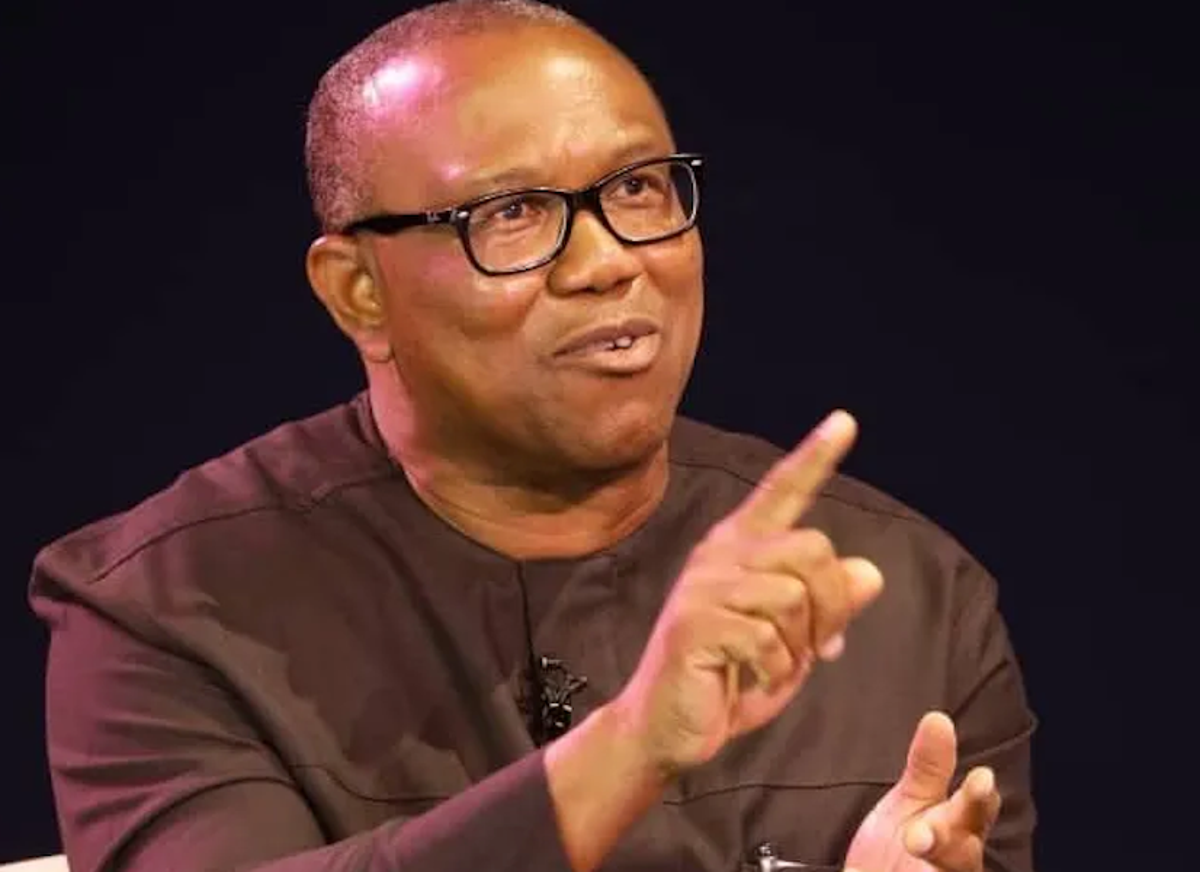
The 2023 Labour Party presidential candidate, Peter Obi, has strongly criticised the Federal Government’s handling of the case involving the leader of the Indigenous People of Biafra (IPOB), Nnamdi Kanu, insisting that meaningful dialogue is the only path capable of ensuring long-lasting peace in the country.
Obi made his stance known in a post on X on Saturday, expressing deep concern that Kanu’s conviction could further heighten national tensions. He noted that the development came at a time when Nigerians were already grappling with “severe economic hardship, insecurity, and the consequences of poor governance”.
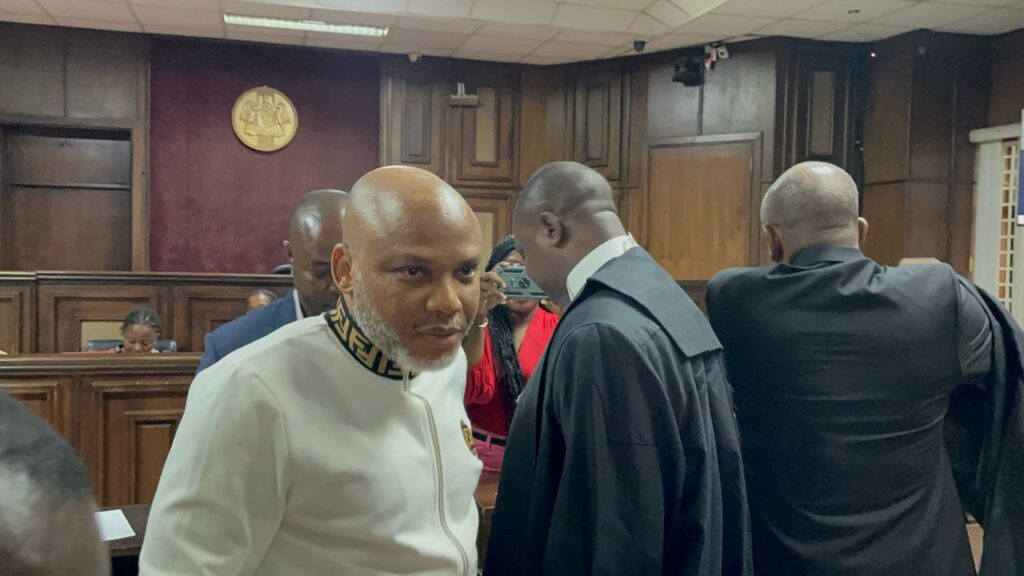
The former Anambra State governor maintained that the Federal Government mishandled the matter right from the beginning and failed to consider peaceful and inclusive methods of resolving the issues surrounding Kanu.
He stated, “The news of Mazi Nnamdi Kanu’s conviction should compel every well-meaning Nigerian to pause and reflect. I have always maintained that Mazi Kanu should never have been arrested. His arrest, detention, and now conviction represent a failure of leadership and a misunderstanding of the issues at stake.”
According to Obi, “Dialogue, constructive engagement, and inclusive governance offer the path to lasting peace. Coercion becomes necessary only when reason has been exhausted.” He urged national leaders to focus on unity rather than deepening divides and called on the Presidency, the Council of State, and respected elders to step forward and push for a political solution.
“If we truly desire a new Nigeria, our leaders must choose healing over hostility, reconciliation over retaliation, and dialogue over division,” he added.
Court Judgement
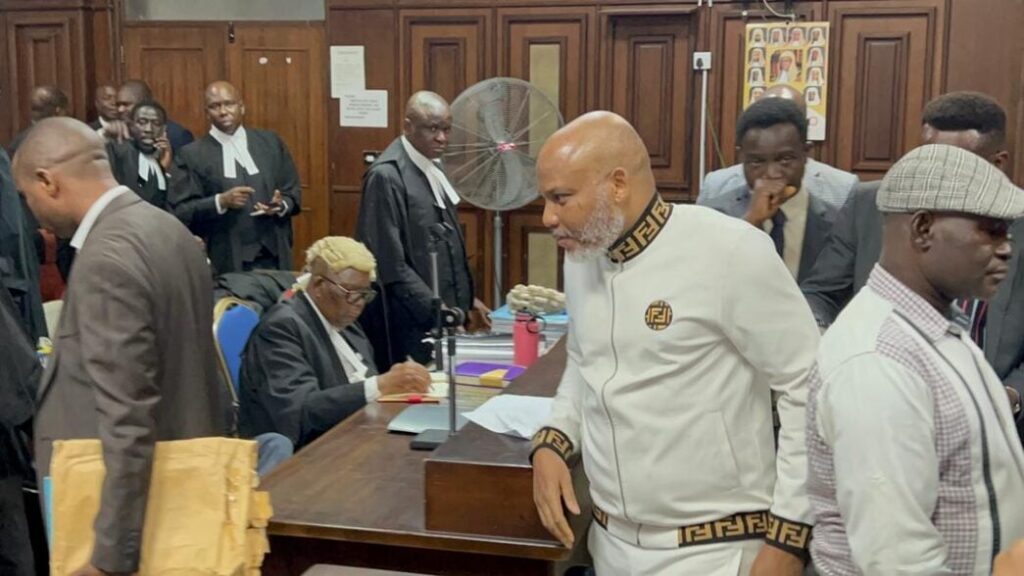
On Thursday, the Federal High Court in Abuja sentenced Nnamdi Kanu to life imprisonment after finding him guilty of several terrorism-related offences. Justice James Omotosho held that Kanu’s broadcasts encouraged attacks on security personnel, destruction of infrastructure, and threats against foreign missions.
The court maintained that Nigeria remains an indivisible nation and that violent agitation cannot be accepted as a legitimate means of pursuing self-determination. Justice Omotosho also ordered the forfeiture of Kanu’s transmitter to the Federal Government and directed that he be kept in a secure facility without any form of digital communication access.
Kanu’s prosecution team indicated that they would appeal the ruling, insisting that the sentence was excessive. Following the conviction, the Department of State Services (DSS) transferred Kanu to the Nigerian Custodial Centre in Sokoto on Friday, in line with the judge’s instruction that he be moved to a correctional facility outside Kuje.
His former lawyer and consultant, Aloy Ejimakor, confirmed his relocation and criticised the decision, stating that it “placed Kanu far from his legal team, family and supporters.”
Kanu’s legal troubles date back to 2015, when he was first arrested on charges of treasonable felony and terrorism. He later fled the country in 2017 after a military raid on his home during Operation Python Dance. In 2021, he was re-arrested in Kenya under controversial circumstances and returned to Nigeria through what his lawyers described as an “extraordinary rendition”. The case has remained one of the most sensitive and polarising legal battles in Nigeria’s recent history.
What You Should Know
Peter Obi has condemned the Federal Government’s approach to handling Nnamdi Kanu’s case, arguing that the conviction will intensify tensions unless leaders pursue dialogue and reconciliation.
The court sentenced Kanu to life imprisonment for terrorism-related offences, prompting his legal team to announce an appeal.
His transfer to Sokoto has sparked further criticism, underscoring the deep political and regional sensitivities surrounding the case.