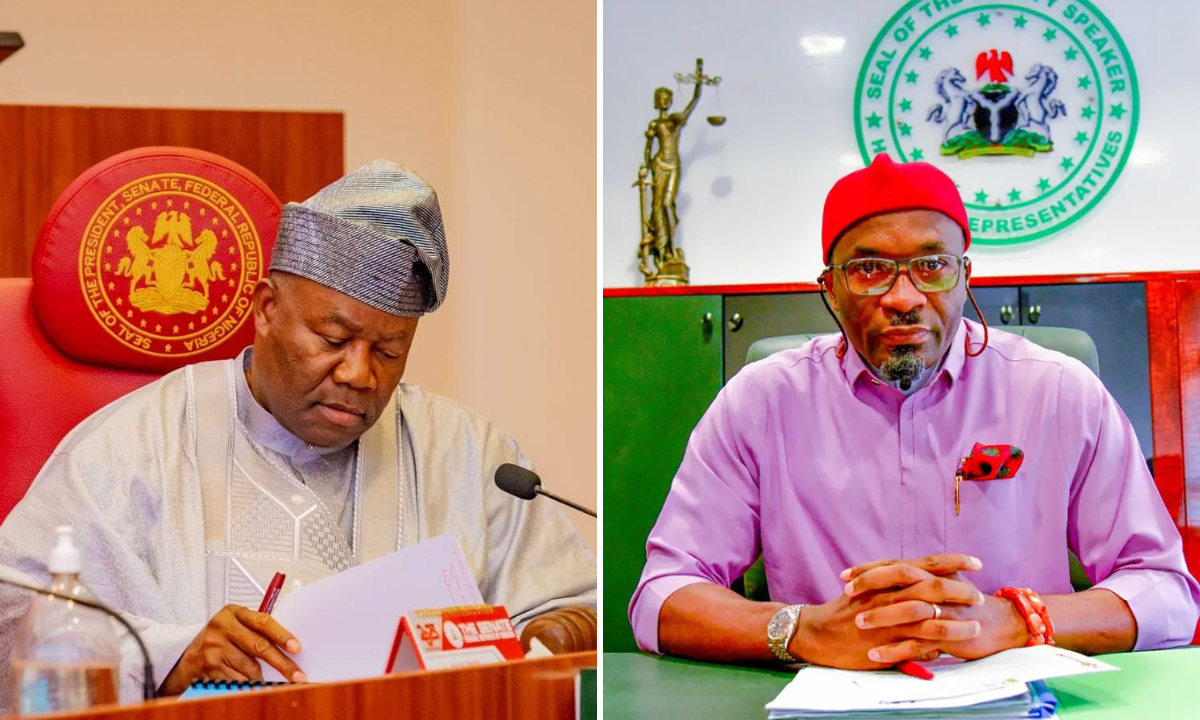
Senate President Godswill Akpabio and Deputy Speaker Benjamin Kalu have voiced strong support for the Reserved Seats Bill, describing it as an essential step toward improving women’s participation in political leadership across Nigeria.
Their endorsement comes as the National Assembly’s leadership reassured the public that the pending bill would receive the needed attention and careful consideration.
Speaking at the opening of the 2025 law week of the International Federation of Women Lawyers (FIDA) Nigeria, Abuja Branch, Akpabio noted that the event’s theme could not be more relevant. He said it demonstrates the association’s dedication to promoting gender equality, broadening inclusion, and ensuring that women have meaningful roles in shaping legislative decisions in the country.
The News Agency of Nigeria (NAN) reports that the theme of the programme is “Advancing Women’s Representation: Reserved Seats and the Future of Nigeria’s Legislature.” Represented by Senator Idiat Oluranti, Akpabio stressed that the influence women bring is foundational rather than secondary. He reflected on how his mother raised him with values such as discipline, dignity, resilience, faith, and unwavering truth, adding that his advocacy for gender inclusion stems from a sense of responsibility and principle. According to him, “The potential of women is not a matter of quality. It is knowledge, moral duty,” and supporting women in leadership is a deliberate policy choice.
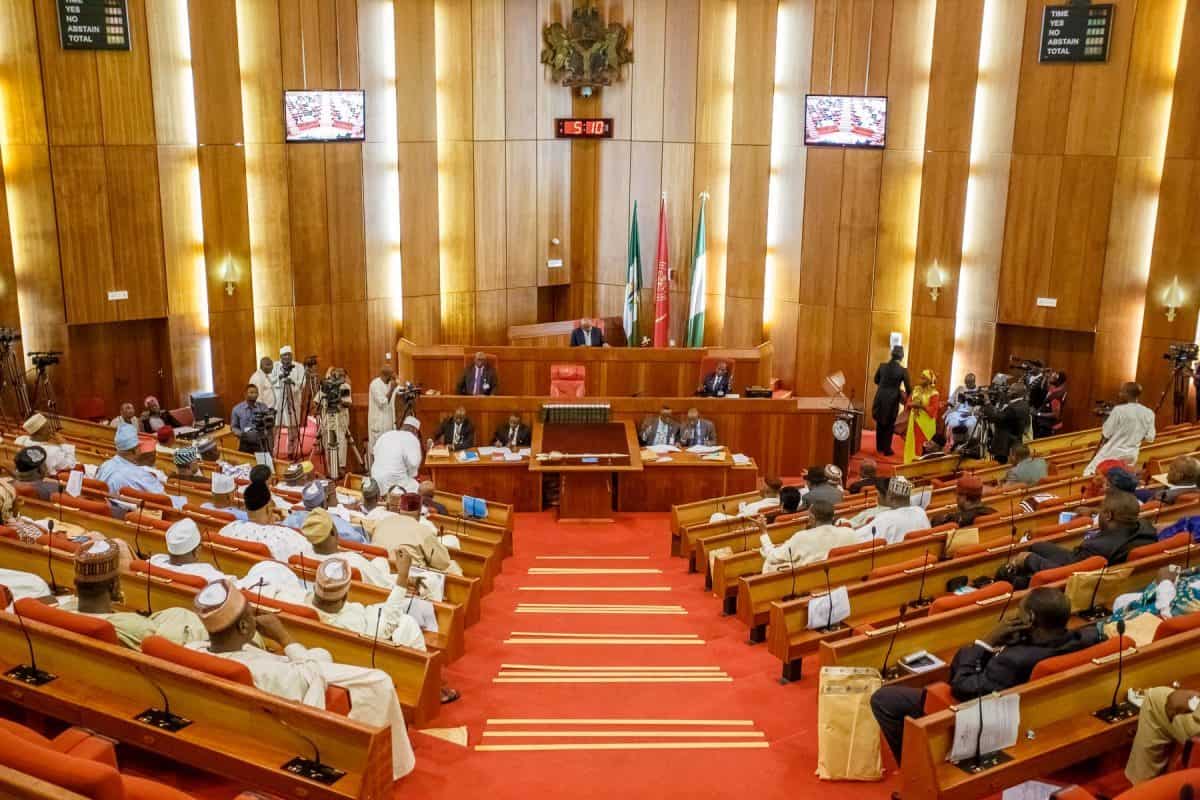
In his keynote speech, Deputy Speaker Benjamin Kalu emphasized that Nigeria can no longer overlook the deep imbalance in political representation, which remains heavily tilted against women. He pointed out that although Nigeria has a population of more than 220 million people—nearly half of whom are women, according to the Nigeria Bureau of Statistics—women still occupy fewer than five per cent of seats in the National Assembly. He added that this places Nigeria at 178th out of 182 countries globally, a ranking he described as alarming.
Kalu explained that such disparity has direct consequences for governance, national development, and social cohesion. He argued that when women are not present in legislative chambers, their perspectives vanish, important discussions become limited, and laws lose the balance that true democracy requires. According to him, no country can progress when half of its talent remains outside the decision-making arena.
He acknowledged that Nigerian women have the capability and competence to excel when given the chance but said the major barrier has always been the lack of equal opportunities within the nation’s political system. Despite their intellect and determination, women still struggle against long-standing structural challenges, including party gatekeeping, campaign financing issues, cultural expectations, and exclusion from political networks.
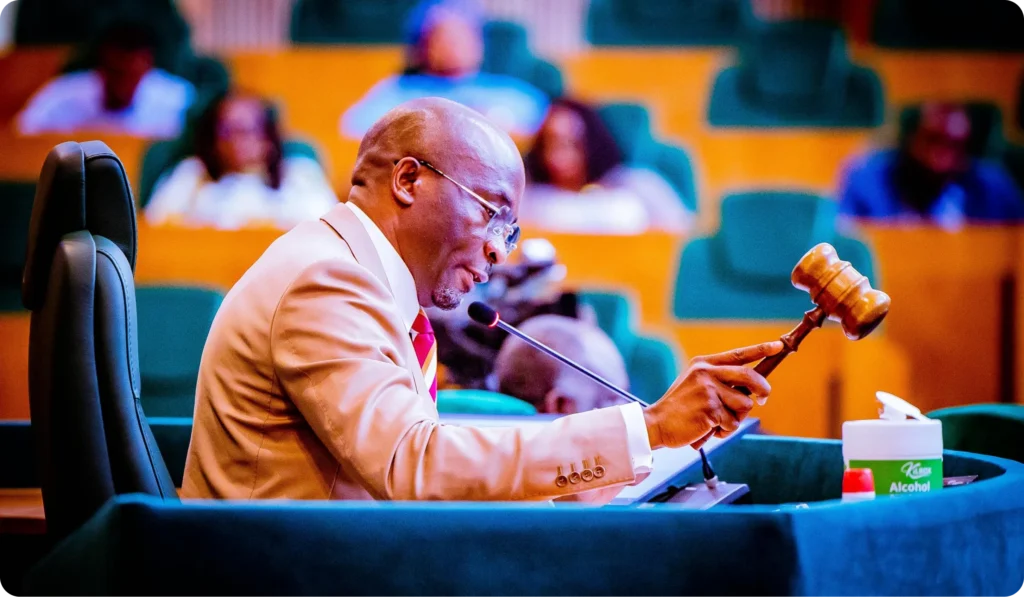
Kalu said this is what led him to sponsor the Reserved Seats Bill (HB 1349), which he described as a temporary constitutional measure designed to correct decades-long structural inequality that advocacy alone has not been able to address. He cited PLAC’s estimate that carrying out the provisions of the bill would cost less than one per cent of the National Assembly’s annual budget, a minimal investment for what he called a crucial democratic adjustment. He also referenced global research from McKinsey showing that closing gender gaps could unlock 28 trillion dollars worldwide by 2030, with Nigeria standing to gain billions in economic growth, innovation, and productivity.
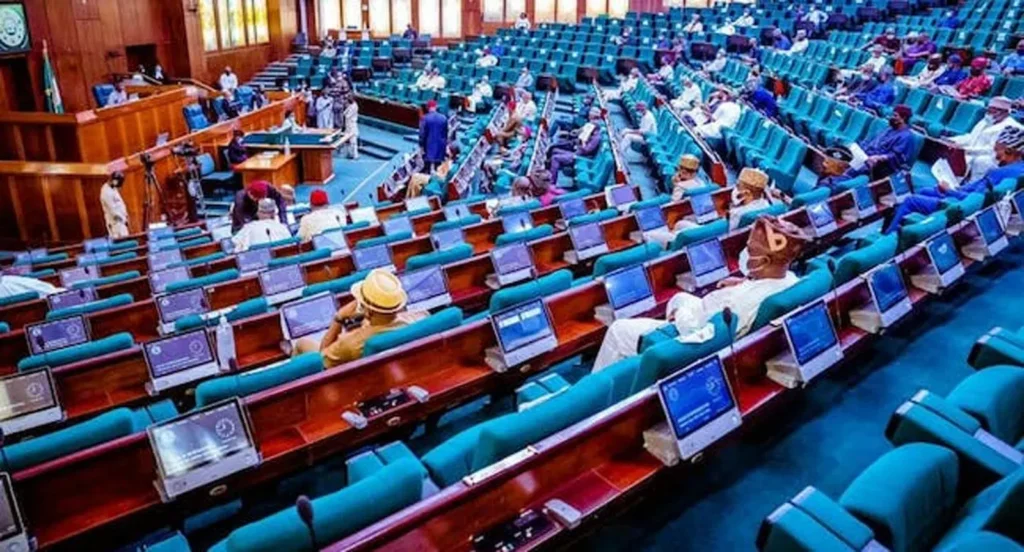
Kalu also highlighted that the 10th House of Representatives, led by Speaker Tajudeen Abbas, has made inclusion a core part of its legislative agenda by expanding participation, reinforcing fairness, and building institutions that reflect the diverse aspirations of Nigerians. As Chair of the Constitution Review Committee, he said the review process is guided by transparency, extensive consultations, and contributions from citizens across the country. He noted that national dialogues, public hearings, and community engagements are being held to ensure the Constitution reflects the will of all Nigerians.
He encouraged FIDA members, legal professionals, and relevant stakeholders to participate actively by sharing their knowledge and perspectives. He stressed that Nigeria is now closer than ever to achieving balanced representation, adding that this is the moment for strong commitment and bold action that goes beyond hesitation.
What you should know
This discussion highlights a growing political push to address Nigeria’s long-standing gender imbalance in political representation.
With top lawmakers openly supporting the Reserved Seats Bill, the momentum for structural reforms aimed at increasing women’s participation in leadership appears to be gaining traction, marking a significant step in the country’s democratic development.