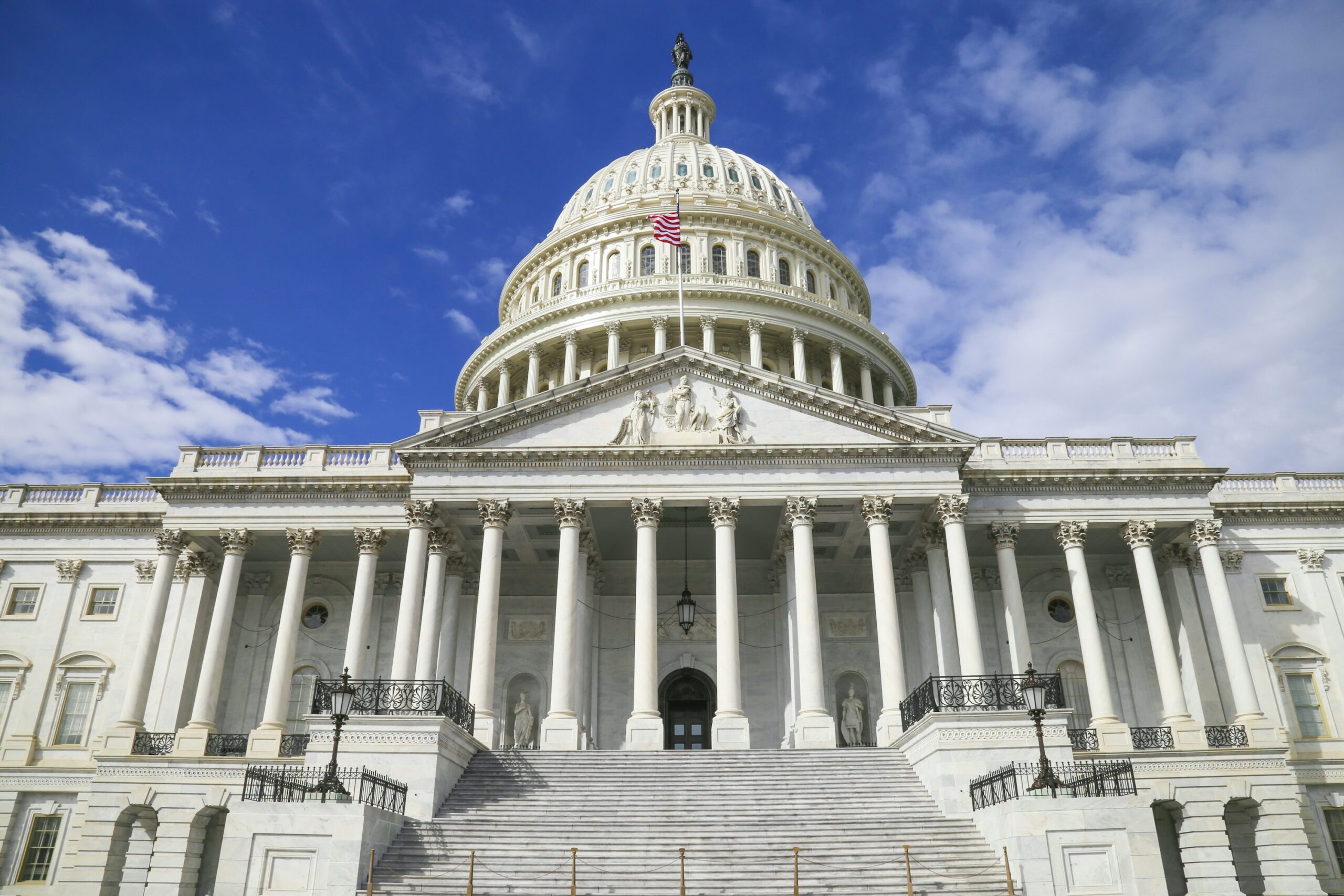
The United States House of Representatives Subcommittee on Africa is set to hold a public hearing on Thursday, November 20, 2025, to examine President Donald Trump’s recent move to redesignate Nigeria as a Country of Particular Concern.
If approved by the Senate, the CPC status could enable Washington to impose sanctions on Nigerian officials accused of religious repression and potentially limit certain forms of cooperation between both countries, according to Punch.
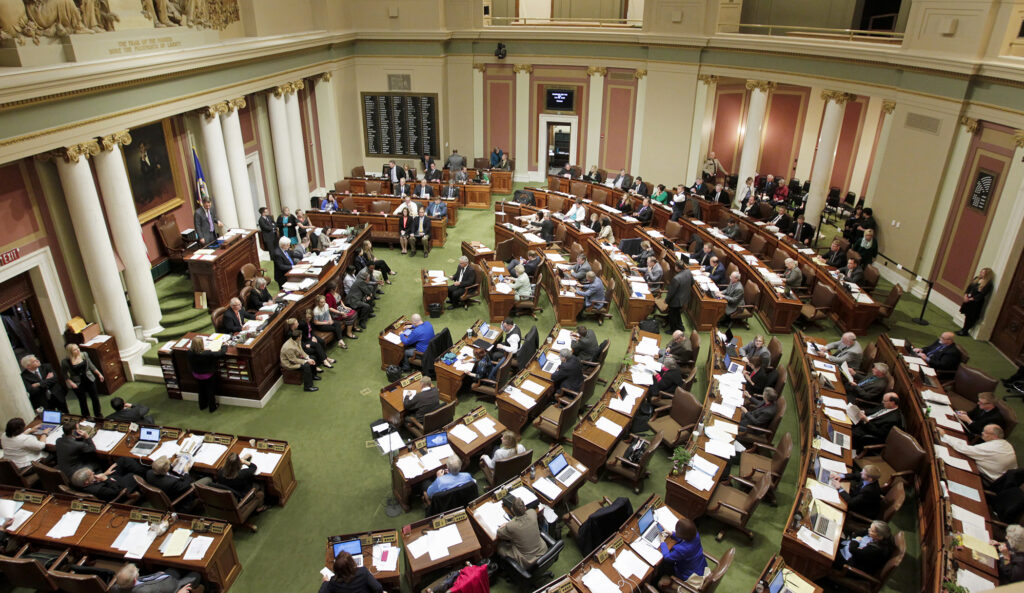
The hearing, scheduled for 11:00 a.m. at Room 2172 of the Rayburn House Office Building and also streamed online, will be presided over by Representative Chris Smith (R-NJ). Two sets of witnesses—senior officials from the US State Department and key Nigerian religious voices—are expected to give testimony.
An invitation sent to members of the House Committee on Foreign Affairs stated, “You are respectfully requested to attend an open hearing of the Committee on Foreign Affairs to be held by the Subcommittee on Africa at 11:00 a.m. in Room 2172 of the Rayburn House Office Building.”
Confirmed speakers include Jonathan Pratt, Senior Bureau Official for African Affairs, and Jacob McGee, Deputy Assistant Secretary in the Bureau of Democracy, Human Rights, and Labor.
Another panel will feature Nina Shea from the Centre for Religious Freedom; Bishop Wilfred Anagbe of the Makurdi Catholic Diocese, and Oge Onubogu of the Centre for Strategic & International Studies.
The lawmakers will review patterns of religious violence in Nigeria and consider possible US interventions—ranging from humanitarian action to sanctions and strengthened diplomatic engagement to address rising insecurity.
President Trump had on October 31, 2025, redesignated Nigeria as a “Country of Particular Concern,” sparking intense debate about recurring attacks targeting Christian groups. He attributed the decision to what he described as severe violations of religious freedoms and what he said were widespread killings of Christians by extremist groups.
He insisted the United States would act forcefully if Nigeria failed to curb the alleged attacks.
“If the Nigerian Government continues to allow the killing of Christians, the USA will immediately stop all aid and assistance to Nigeria, and may very well go into that now-disgraced country, ‘guns-a-blazing,’ to completely wipe out the Islamic terrorists who are committing these horrible atrocities.
“I am hereby instructing our Department of War to prepare for possible action. If we attack, it will be fast, vicious, and sweet, just like the terrorist thugs attack our cherished Christians,” he declared on November 1, 2025.
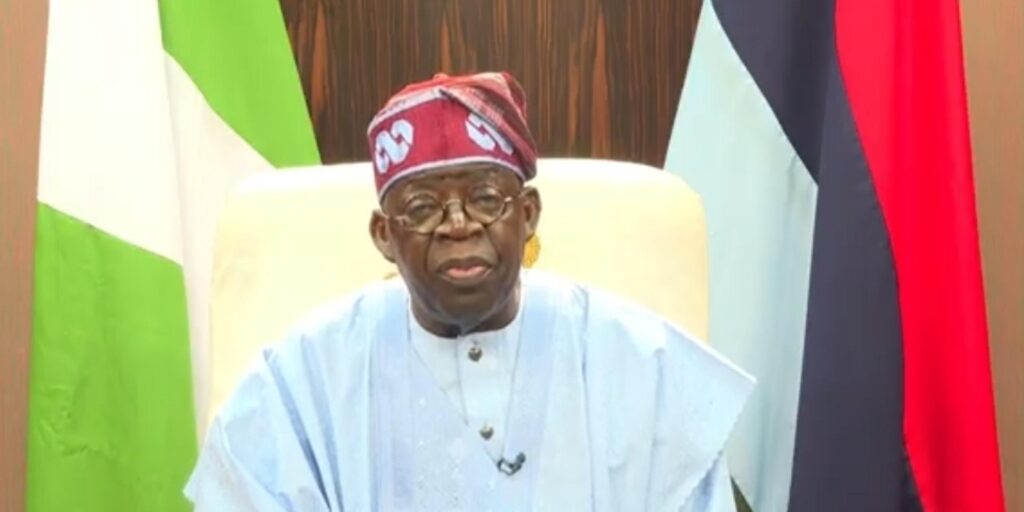
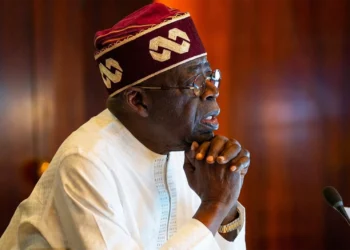
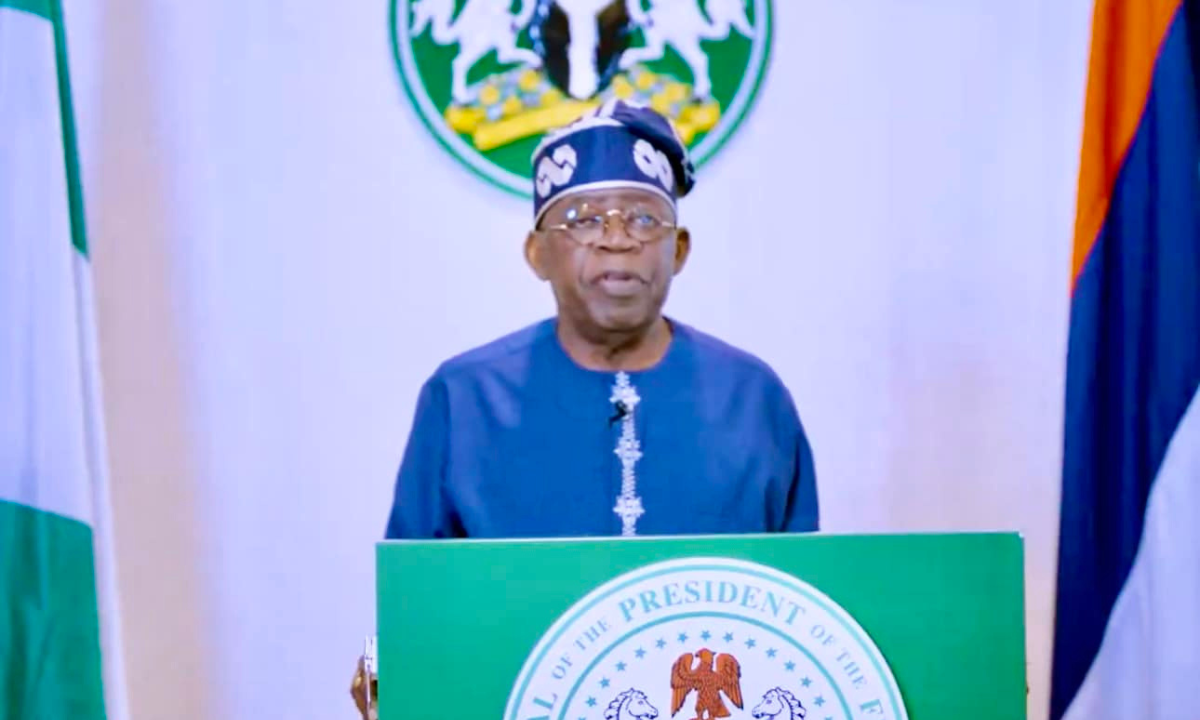
President Bola Tinubu dismissed the allegations, saying they misrepresented the nation.
“Nigeria stands firmly as a democracy governed by constitutional guarantees of religious liberty. The characterisation of Nigeria as religiously intolerant does not reflect our national reality.
“Religious freedom and tolerance have been a core tenet of our collective identity and shall always remain so. Nigeria opposes religious persecution and does not encourage it,” he said.
Trump’s decision comes amid multiple attacks on Christian communities, including killings, kidnappings, and the destruction of places of worship. The CPC designation is currently before the US Senate, championed by Senator Ted Cruz.
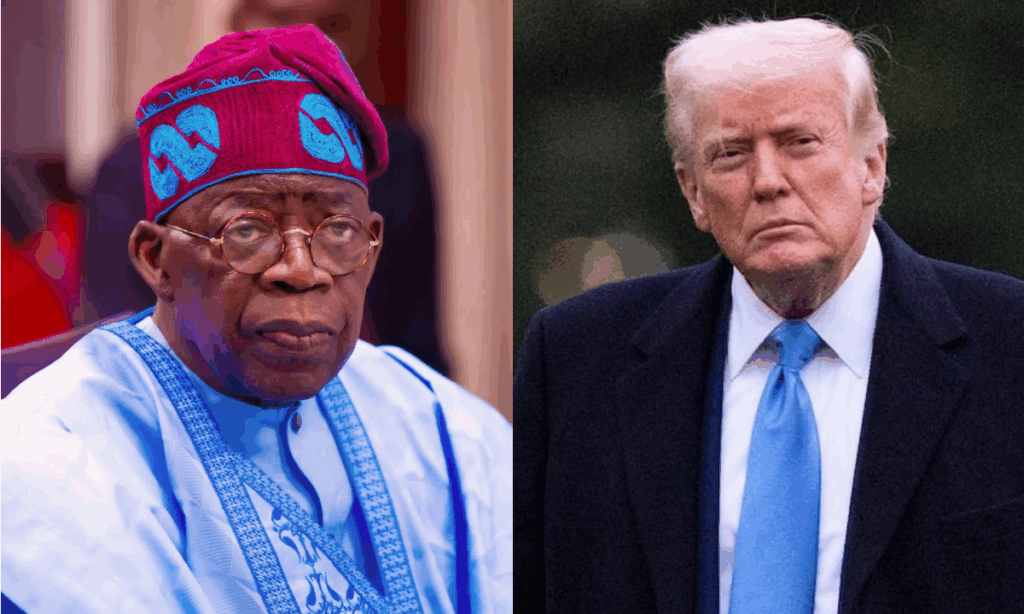
Nigeria had previously been placed on the CPC list in 2020 under Trump but was later removed by President Joe Biden.
Bishop Anagbe, who is scheduled to speak before Congress, had earlier raised alarm in a March 25, 2025, address at the UK Parliament. He described widespread violence against Christians, including burned villages and large-scale displacement in Benue State.
He said extremist groups and armed Fulani fighters had devastated entire regions, forcing survivors into IDP camps.
“The militant Fulani herdsmen bear down on defenceless villagers without consequence.
“They follow orders to conquer, kill, and occupy. They attack even those who have managed to escape into our IDP camps,” he told UK lawmakers.
In an interview with Fox News, Congressman Riley Moore (R-WV) said, “We’ve already started that investigation… we’re going to get to the bottom of this.”
He argued that the number of Christian deaths in Nigeria far exceeds that of other religious groups, stating a ratio of “five to one.”
Reacting to Tinubu’s comments, he said, “Unfortunately, that is completely false… there is a serious persecution happening in Nigeria.”
When asked if the US should intervene, Moore said America had a moral responsibility to act, noting that the CPC designation gives the US President authority to impose sanctions, freeze development funding, and consider “military kinetic action.”
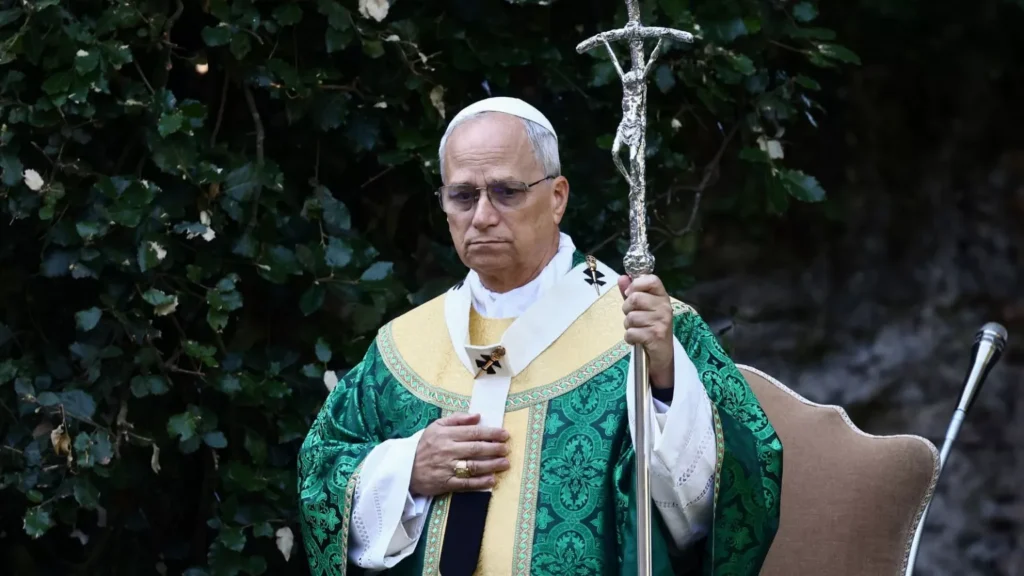
Pope Leo XIV also expressed concern about attacks on Christians in Nigeria and other affected nations, weeks after Trump issued his warning.
“In various parts of the world, Christians suffer discrimination and persecution. I think especially of Bangladesh, Nigeria, Mozambique, Sudan, and other countries from which we frequently hear of attacks on communities and places of worship,” he wrote on X.
He prayed for victims of recent killings in the Democratic Republic of Congo and called for peace.
Meanwhile, Congressman Bill Huizenga, speaking on Arise TV, said a US military strike was unlikely despite Trump’s strong language.
“I suspect that that is not a high priority… I don’t envision a surprise attack,” he stated, adding that Trump appeared more focused on stopping the violence.
He noted that sanctions could still be highly effective. “If we put economic pressure on them… that will have an impact,” he said, urging Nigerian authorities to strengthen security efforts.
As tensions rose, President Tinubu sent Dr Abiodun Essiet, his Senior Special Assistant on Community Engagement (North Central), to Plateau State to intensify peacebuilding efforts.
She met with Christian leaders, Miyetti Allah representatives, and other stakeholders, and also visited Rev. Ezekiel Dachomo of the Regional Church Council in Barkin Ladi.
Essiet held a closed-door meeting with Irigwe community leaders, Miyetti Allah members, and the Bassa Youth Council. She emphasised Tinubu’s commitment to unity, dialogue, and inclusive leadership.
During the visit, a long-standing dispute between farmer David Toma and local herdsmen was resolved after the Miyetti Allah chairman for Bassa LG, Alhaji Isah Yau, paid N500,000 in compensation for damage to Toma’s farm, which led to the release of two seized cows.
“All parties signed an undertaking to embrace peace in the state,” the presidency stated.
What You Should Know
This hearing represents one of the most significant US reviews of Nigeria’s religious violence in years.
President Trump’s CPC redesignation reignites a longstanding debate over Christian-targeted attacks and Nigeria’s response to insecurity. While US lawmakers are divided on whether military action is likely, many agree that sanctions and diplomatic pressure remain key tools.
Nigeria, on its part, maintains that it upholds religious freedom and continues to work toward peace and stability.