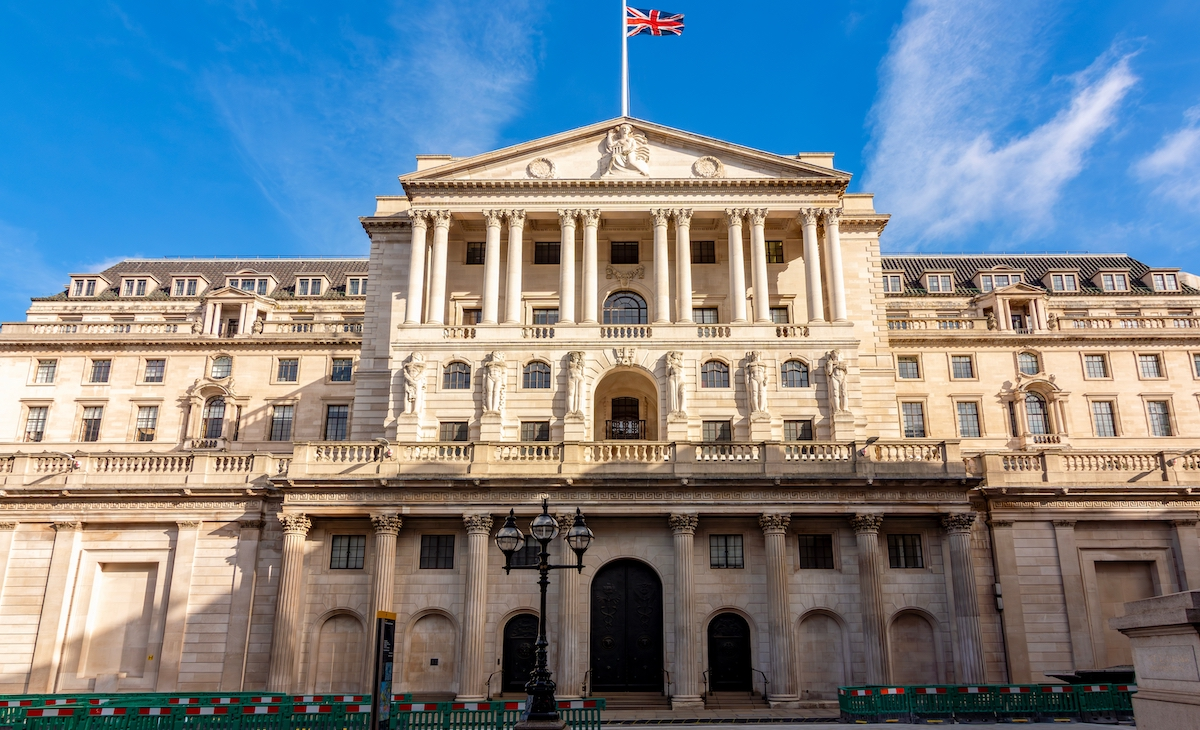
The Bank of England (BoE) has announced new proposals aimed at building trust and ensuring stability in the use of pound-backed stablecoins within the United Kingdom’s financial system.
The move, part of a broader plan to introduce national regulations for digital currencies by 2026, marks a significant step in integrating blockchain-based payments into mainstream finance.
Stablecoins are cryptocurrencies designed to maintain a steady value by being tied to traditional assets such as fiat currencies. Most existing stablecoins are linked to the US dollar, but under the BoE’s new framework, Britain will focus on creating and regulating stablecoins pegged to the pound sterling.
Sarah Breeden, the Bank of England’s deputy governor for financial stability, described the initiative as “a pivotal step towards implementing the UK’s stablecoin regime next year.” She added that the Bank’s “objective remains to support innovation and build trust in this emerging form of money.”
Breeden explained that the proposed regulations are “fit for a future where stablecoins play a meaningful role in payments,” giving financial institutions and digital asset firms “the clarity they need to plan with confidence.”
According to the BoE, stablecoin issuers considered systemic to the economy would be allowed to hold up to 60 percent of their reserve assets in short-term UK government debt. This measure is designed to ensure stability while maintaining liquidity and security for investors.

To prevent potential risks during the transition to digital currency systems, the Bank proposed temporary holding limits. Individuals would be permitted to hold up to £20,000 ($26,370) worth of pound-backed stablecoins per coin, while businesses could hold up to £10 million. Larger corporations may be granted higher thresholds, depending on their operational size and financial needs.
“These limits would be removed once the transition no longer poses risks to the provision of finance to the real economy,” the BoE clarified.
The proposals are now open for public consultation until February 10, allowing industry stakeholders, financial institutions, and digital asset firms to provide feedback before final rules are enacted.
Earlier in May, the UK’s Financial Conduct Authority (FCA) also released its own set of guidelines for stablecoin issuers. These regulations would require firms to safeguard client assets in a manner similar to traditional banks—ensuring the protection, accessibility, and reliability of digital funds.
Globally, regulators have accelerated oversight of stablecoins following the 2022 collapse of Terra, an “algorithmic stablecoin” that lost its peg and wiped out an estimated $40 billion in investor funds. The incident underscored the potential risks of unregulated or inadequately backed digital currencies.

Analysts have noted that stablecoin vulnerabilities extend beyond price volatility to include issues such as hacking and lack of transparency among issuers. A collapse in confidence could have ripple effects, not only in the crypto ecosystem but across financial markets tied to stablecoin reserve assets.
By proposing a robust framework, the Bank of England aims to position the UK as a global leader in digital currency regulation while ensuring that innovation in financial technology does not come at the expense of public trust or economic stability.
What You Should Know
The Bank of England’s proposed pound-backed stablecoin framework is part of the UK’s broader effort to modernize its financial system and embrace digital payments.
Stablecoins—digital assets pegged to traditional currencies—are seen as a bridge between crypto innovation and real-world finance. The proposed 2026 launch would introduce strong regulatory oversight to ensure stability and protect investors, a move aimed at avoiding incidents like the 2022 Terra collapse.
If successful, this initiative could make the UK one of the first major economies to fully regulate and integrate stablecoins into its payment infrastructure.