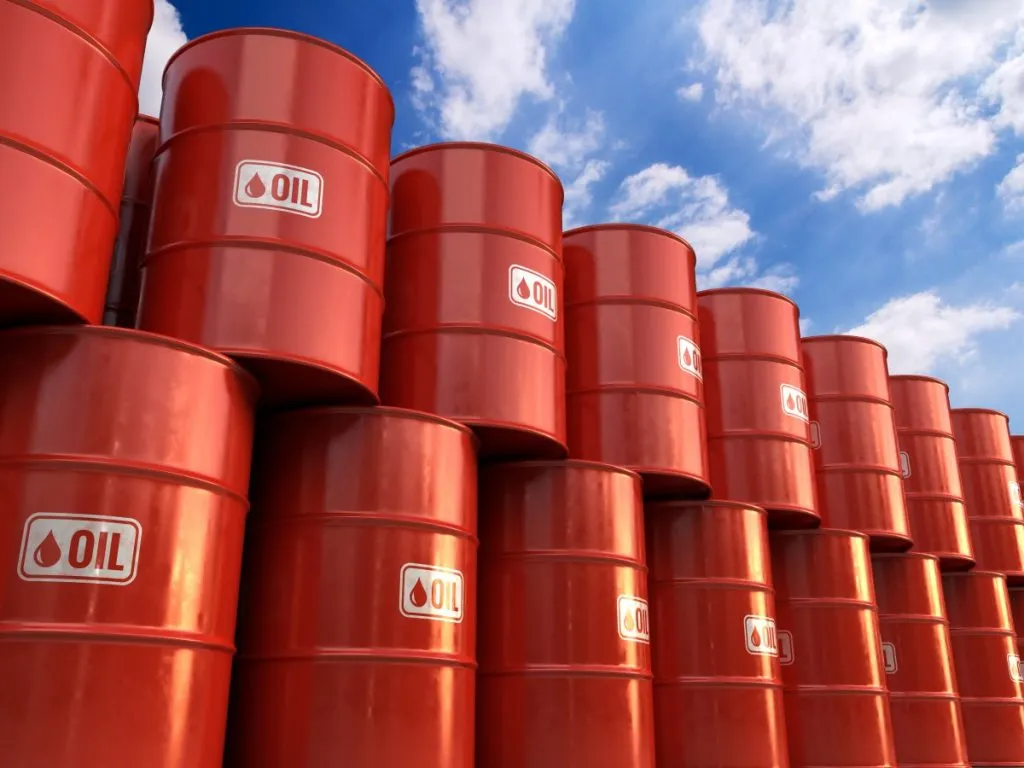
Nigeria’s petroleum sector recorded a troubling disconnect in 2024, with crude oil and gas revenues plunging to ₦1.08 trillion from ₦1.90 trillion the previous year—a dramatic 43% decline—even as the country registered modest improvements in oil production levels.
The stark drop, revealed in the Budget Office’s fourth quarter 2024 report, has intensified scrutiny over the management of Africa’s largest oil industry and raised urgent questions about the true financial health of Nigeria’s most critical economic sector.
Production Up, Revenue Down: An Alarming Paradox
The counterintuitive trend—rising production volumes alongside collapsing revenues—has puzzled analysts and drawn sharp criticism from fiscal watchdogs. While Nigeria managed to increase crude oil output during 2024, reversing years of decline attributed to theft, pipeline vandalism, and underinvestment, the anticipated revenue windfall failed to materialize.
“This isn’t just concerning; it’s a red flag,” said economic analysts familiar with the petroleum sector. “When production increases but revenue drops by nearly half, you’re looking at systemic problems that go beyond market fluctuations.”
Structural Problems Run Deep
The Budget Office report points to a cocktail of underlying issues undermining revenue collection. Chief among them are persistent operational inefficiencies that have plagued the Nigerian National Petroleum Company Limited (NNPCL) and other sector stakeholders for years.
Transparency deficits continue to obscure the true picture of oil revenues. Despite reform promises and anti-corruption initiatives, opacity in oil revenue accounting remains endemic, making it difficult for auditors and oversight bodies to track crude sales from wellhead to treasury.
The Hidden Impact of Crude-for-Loan Arrangements
Particularly significant is the growing influence of crude-for-loan deals—controversial arrangements where Nigeria exchanges future oil production for upfront financing, often from international trading houses and lenders. While these deals provide immediate liquidity to fund government operations and subsidies, they effectively mortgaged future revenues and bypass traditional accounting channels.
Industry sources suggest that substantial volumes of Nigerian crude never appear in official revenue figures because they’re committed to servicing these pre-existing debt obligations. The lack of public disclosure around these arrangements has made it virtually impossible to determine their full scale or impact on national finances.
Revenue Underreporting: A Persistent Challenge
The report also highlights ongoing concerns about revenue underreporting—a longstanding problem in Nigeria’s petroleum sector. Whether through outright theft, under-declaration of volumes, transfer pricing manipulation, or accounting irregularities, significant sums appear to be leaking from the system before reaching federal coffers.
“We’re not just talking about inefficiency,” noted governance experts tracking the sector. “The gap between what should be earned and what’s actually received suggests revenue is being diverted or never properly accounted for in the first place.”
Economic Implications for Africa’s Largest Economy
The revenue collapse comes at a particularly challenging moment for Nigeria’s economy. Oil proceeds remain the backbone of government finances, funding everything from infrastructure projects to debt servicing, despite years of diversification efforts.
The ₦820 billion shortfall represents lost funding for critical sectors including education, healthcare, and security at a time when Nigeria faces mounting fiscal pressures. With government debt levels already elevated and the naira under pressure, the petroleum sector’s underperformance constrains options for economic policymakers.
Calls for Reform Intensify
The Budget Office findings have reignited calls for comprehensive reform of Nigeria’s petroleum sector governance. Transparency advocates are demanding full disclosure of all crude-for-loan arrangements, implementation of automated revenue collection systems, and strengthened oversight mechanisms.
“Every barrel of oil belongs to Nigerian citizens,” reform advocates emphasize. “They deserve to know where their resources are going and why production increases aren’t translating into national prosperity.”
The government has yet to respond substantively to the Budget Office report or announce measures to address the identified shortfalls. With oil prices remaining relatively stable during much of 2024, the revenue decline cannot be attributed solely to market conditions—pointing instead to deep-seated structural problems that demand urgent attention.
As Nigeria heads deeper into 2025, the petroleum sector’s ability to generate adequate revenue for national development remains under a cloud, with transparency and accountability emerging as the critical battlegrounds for the country’s economic future.
WHAT YOU SHOULD KNOW
Nigeria’s oil revenue crashed by 43% in 2024—from ₦1.90 trillion to ₦1.08 trillion—despite producing more oil, not less. This alarming paradox exposes a broken system where increased production doesn’t translate to increased revenue.
Nigeria isn’t just losing money to low oil prices or poor production. The country is losing it to systemic leakages—opaque crude-for-loan deals that bypass official accounts, widespread revenue underreporting, and chronic mismanagement.
When oil comes out of the ground but money doesn’t reach government coffers, the problem isn’t geological—it’s governance. Until Nigeria addresses these transparency and accountability failures, citizens will continue to see their natural resources vanish without benefiting the nation, regardless of how many barrels are pumped.
The ₦820 billion shortfall represents hospitals unbuilt, schools unfunded, and infrastructure delayed—stolen not by production decline, but by a system that allows oil wealth to disappear in plain sight.