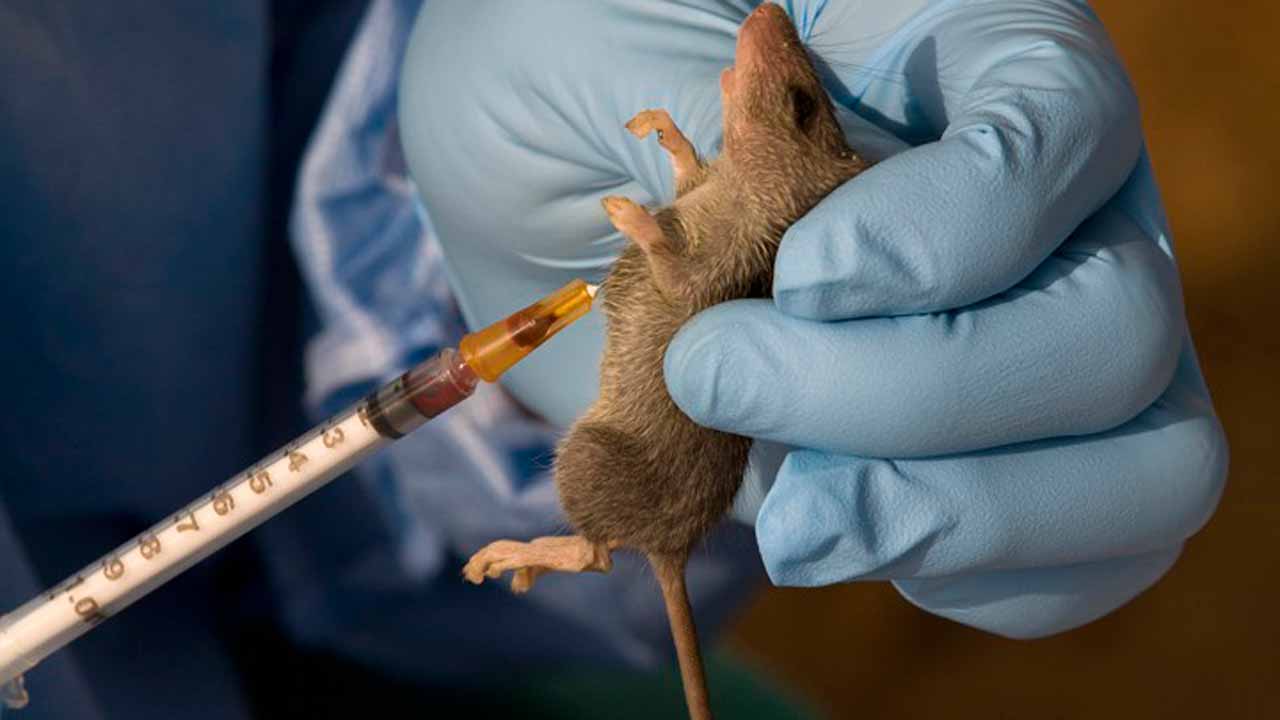
The Nigeria Centre for Disease Control and Prevention (NCDC) has reported that at least 176 people have died from Lassa fever across 21 states in 2025.
According to its latest Lassa Fever Situation Report, the country has recorded 955 confirmed cases out of 8,367 suspected infections spanning 102 Local Government Areas (LGAs).
While overall infection numbers have slightly dropped compared to the same period in 2024, the NCDC warned that the fatality rate has increased from 16.6 per cent last year to 18.4 per cent in 2025. The agency attributed the rising death toll to delayed hospital presentation and poor health-seeking behaviour among residents of affected regions.
Ondo, Bauchi, Edo, and Taraba remain the worst-hit states, collectively accounting for 88 per cent of confirmed cases nationwide. Ondo State leads with 37 per cent of total infections, followed by Bauchi (21 per cent), Edo (17 per cent), and Taraba (13 per cent).
The NCDC’s report also revealed that newly confirmed infections rose slightly from nine in week 42 to eleven in week 43—all recorded in Ondo State. The most affected age group remains individuals aged 21 to 30 years, with a median age of 30 and a male-to-female ratio of 1:0.8.
Poor environmental sanitation and the high cost of treatment were cited as key factors contributing to the continued spread of the disease in high-burden areas. The agency also emphasized that early detection and timely treatment remain crucial to reducing fatalities.
To strengthen response efforts, the NCDC said its multi-sectoral Technical Working Group—comprising the Federal Ministry of Health and Social Welfare, WHO, Médecins Sans Frontières (MSF), and the US CDC—continues to coordinate national containment strategies.
Health workers in Bauchi, Benue, and Ebonyi have received specialized training in Lassa fever case management, while community sensitisation and radio awareness campaigns are ongoing in high-risk regions such as Ondo. The agency also launched an Infection Prevention and Control (IPC) e-learning platform aimed at enhancing the capacity of frontline health workers.
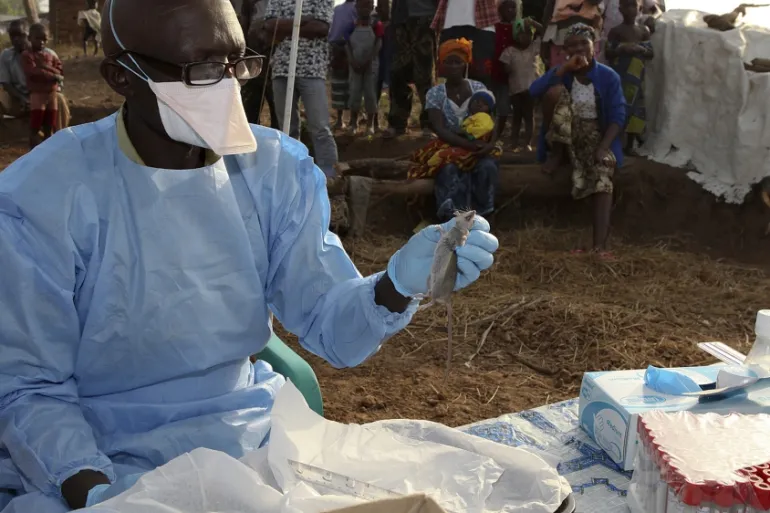
According to the report, no new healthcare worker infections were recorded in week 43. The NCDC confirmed that supplies of ribavirin and personal protective equipment have been distributed to treatment centres nationwide.
In addition, the agency said research partnerships with Georgetown University, MSF, and the Nigerian Lassa Fever Vaccine Taskforce are advancing vaccine development and improving outbreak preparedness. It urged state governments to intensify environmental health campaigns and encouraged healthcare professionals to ensure early diagnosis and prompt treatment of suspected cases.
What You Should Know
Lassa fever, a viral hemorrhagic illness transmitted through contact with food or household items contaminated by infected rodents, remains endemic in Nigeria.
The 2025 outbreak has claimed 176 lives, with Ondo, Bauchi, Edo, and Taraba accounting for most cases.
The NCDC’s ongoing collaboration with global health partners aims to improve response capacity, develop vaccines, and strengthen public health awareness nationwide.