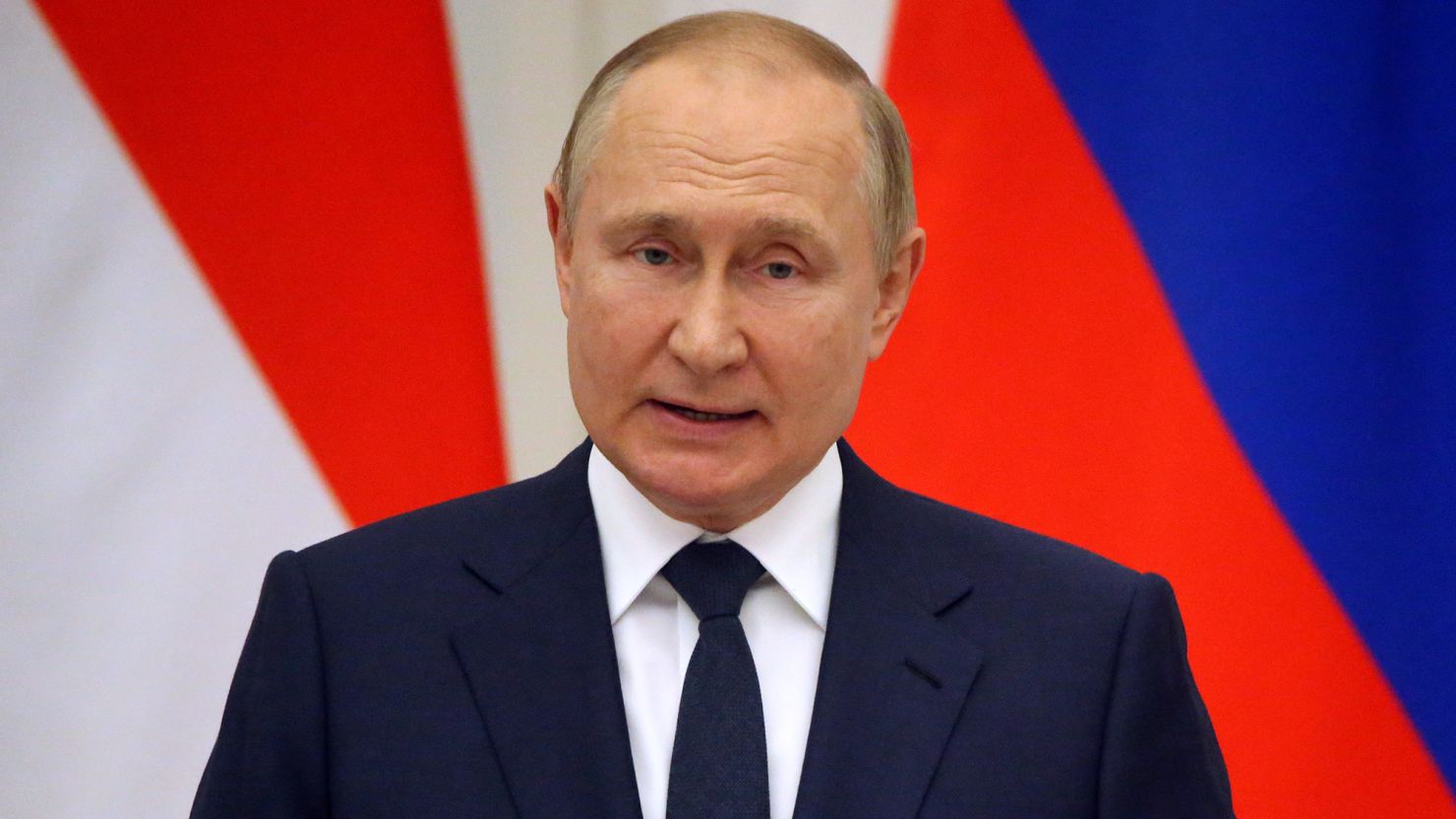
Russian President Vladimir Putin announced on Wednesday that Russia could resume nuclear testing if the United States proceeds with its own, following US President Donald Trump’s recent remarks on the subject.
Putin made the statement while presiding over a security council meeting, intensifying the ongoing nuclear tension between the two global powers amid their failure to reach an agreement on the Ukraine conflict.
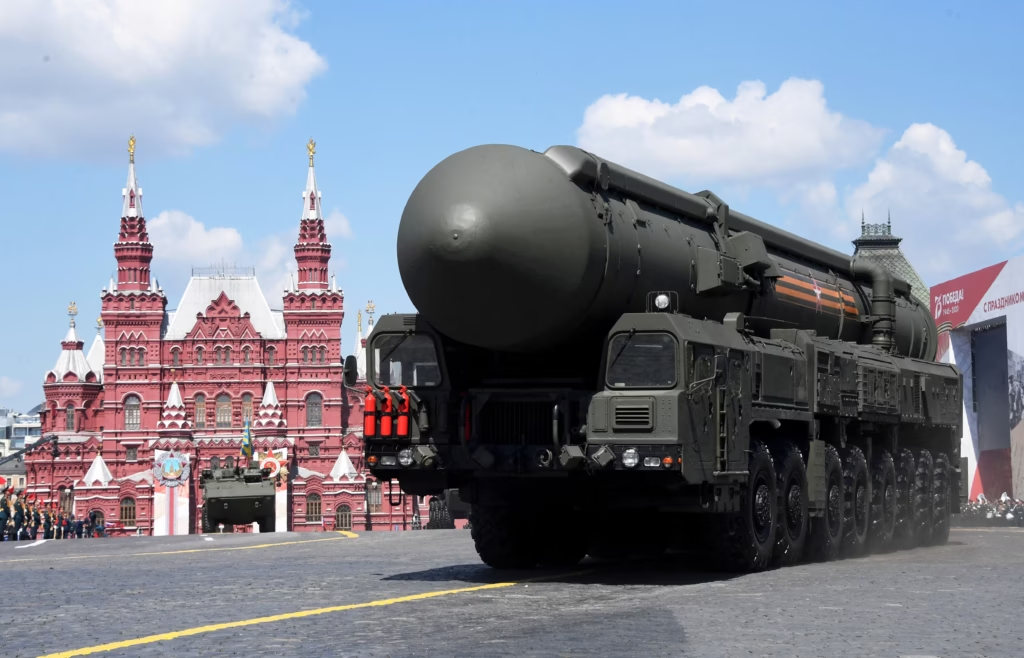
He instructed Russia’s defence and foreign ministries, along with security agencies, to “gather information on this topic” and provide “proposals on the possible start of preparation works for nuclear weapons tests.”
Russia last conducted a nuclear test in 1990, before the dissolution of the Soviet Union.
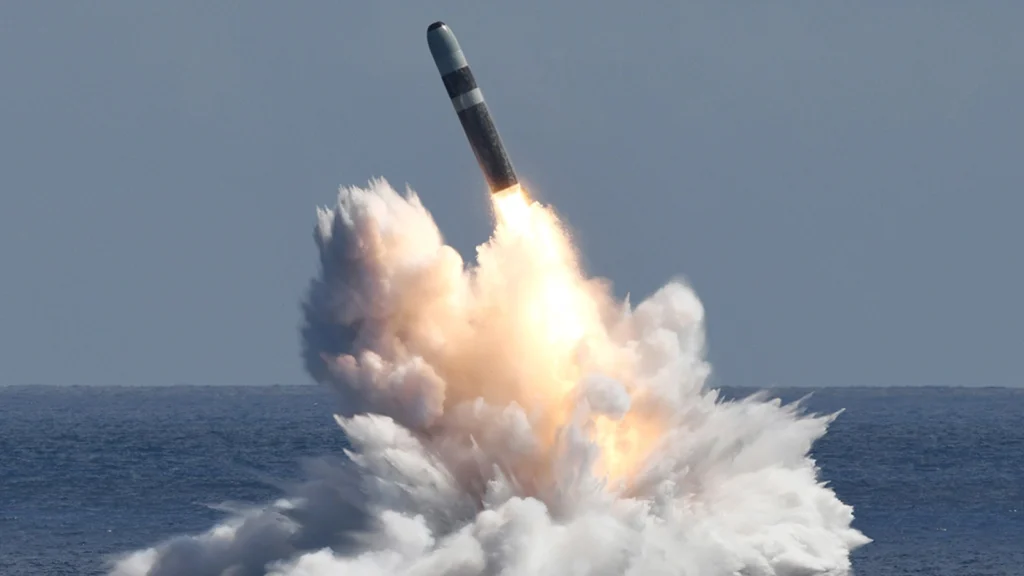
Trump, in a social media post last week, said he had directed the Pentagon to “start testing our Nuclear Weapons on an equal basis” with Russia and China, though it remains uncertain if he was referring to full-scale nuclear detonations.
During the security council session, Putin was responding to Defence Minister Andrei Belousov, who suggested that Russia “begin immediate preparations” for nuclear testing in the Arctic region of Novaya Zemlya.
Putin reiterated that Moscow would match any move by Washington to resume nuclear testing, maintaining his long-held position on nuclear parity.
In October, the Russian president oversaw two tests of nuclear-capable missiles, which notably excluded live warheads.
Since returning to office in January, Trump has attempted to mediate peace between Russia and Ukraine, but talks have produced no meaningful progress. His growing impatience with Putin has been evident as the conflict continues.
Currently, North Korea remains the only nation to have conducted a nuclear explosion test in the 21st century.
What You Should Know
Putin’s warning highlights the fragile state of nuclear diplomacy between the US and Russia, both of which possess the world’s largest nuclear arsenals.
A resumption of nuclear testing by either nation could unravel decades of global arms control efforts, heighten geopolitical instability, and potentially trigger a new era of nuclear competition reminiscent of the Cold War.