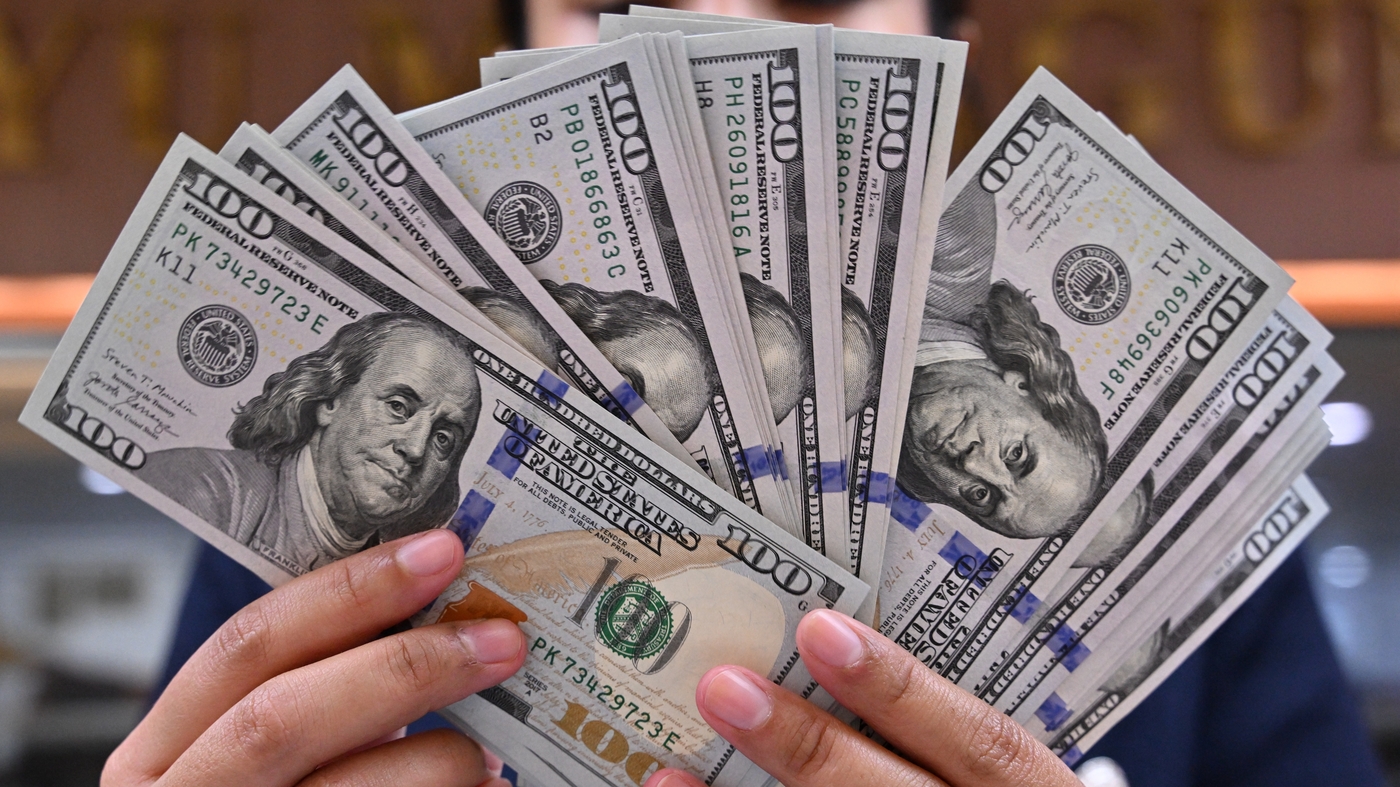
The U.S. dollar climbed to its highest level against the Japanese yen in more than two weeks on Monday, as investors braced for a pivotal week featuring high-stakes trade negotiations and crucial central bank policy meetings that could reshape the global economic landscape.
The greenback advanced 0.1% to 153.03 yen during Asian trading hours, briefly touching 153.26—its strongest position since October 10. This move came as market participants digested encouraging signals from weekend trade discussions between Washington and Beijing, setting an optimistic tone for risk assets at the start of what promises to be a consequential week for financial markets.
Trade Breakthrough Lifts Market Sentiment
The Australian dollar emerged as one of the session’s strongest performers, climbing 0.4% to $0.6541 against its U.S. counterpart, as signs of meaningful progress in U.S.-China trade negotiations fueled appetite for higher-yielding currencies typically sensitive to global growth prospects.
U.S. Treasury Secretary Scott Bessent delivered the most concrete evidence yet of diplomatic momentum, announcing that weekend talks on the sidelines of the Association of Southeast Asian Nations (ASEAN) summit in Kuala Lumpur had successfully eliminated the threat of punitive 100% tariffs on Chinese imports that had been scheduled to take effect on November 1.
“We’ve obviously had a pretty risk-positive start to the week, given the weekend news on the various trade discussions,” said Ray Attrill, head of foreign exchange research at National Australia Bank. “At the moment, I’d say positive risk sentiment is still, at the margin, playing negatively for the U.S. dollar.”
Bessent further revealed that China has agreed to postpone implementation of its controversial rare earth minerals and magnets licensing regime by one year while the policy undergoes reconsideration—a significant concession given Beijing’s dominance in critical mineral supplies essential to advanced manufacturing and defense applications.
Presidential Summit to Seal the Deal
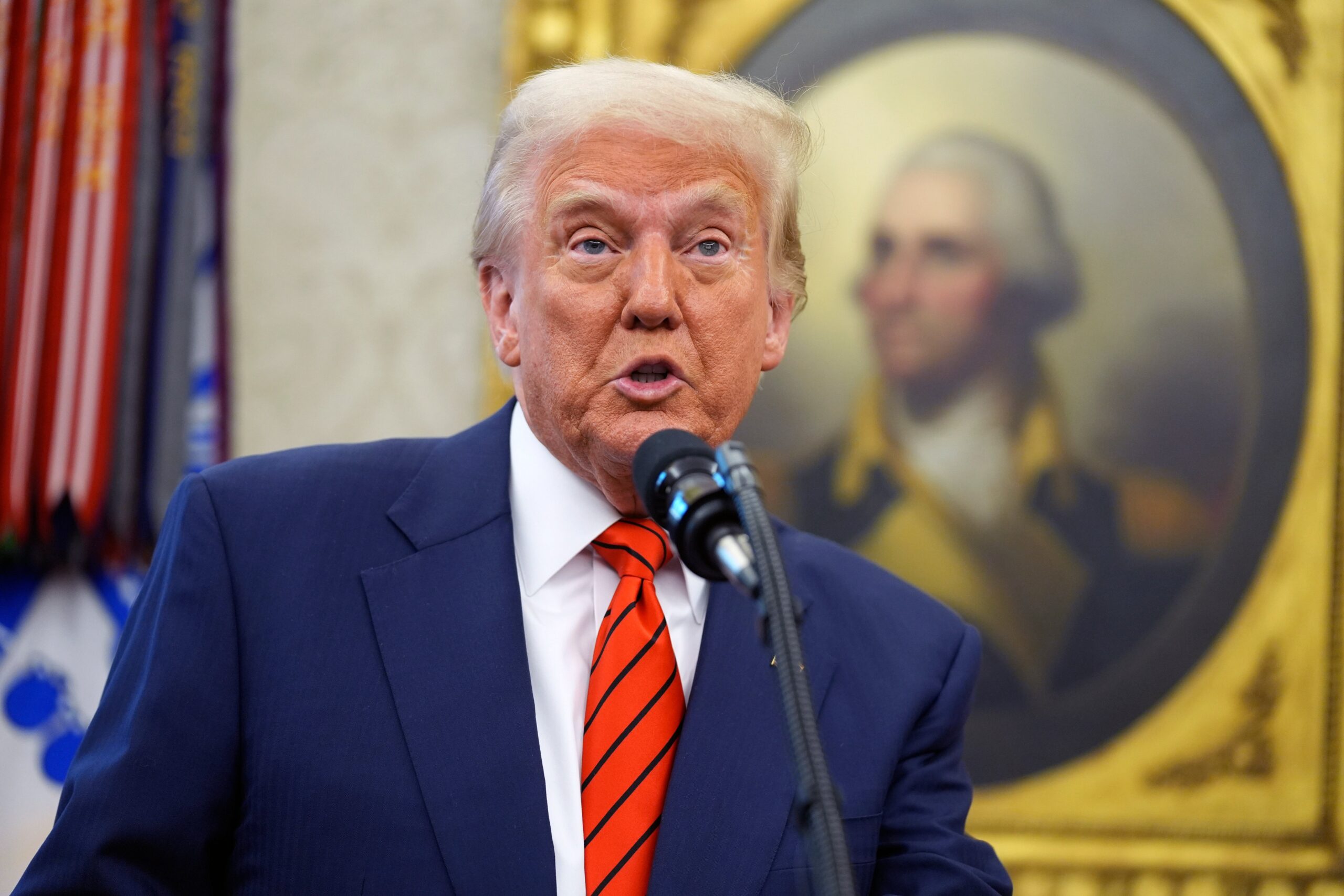
The diplomatic breakthrough sets the stage for a face-to-face meeting between President Donald Trump and Chinese President Xi Jinping scheduled for Thursday in Gyeongju, South Korea, on the sidelines of the Asia-Pacific Economic Cooperation (APEC) summit. The two leaders are expected to formalize the framework of a comprehensive trade agreement that negotiators have been crafting over recent days.
Before arriving in South Korea, Trump will make a stopover in Japan beginning Monday, where he will hold a bilateral summit on Tuesday with the nation’s newly installed Prime Minister Sanae Takaichi. The meetings underscore the administration’s intensive focus on recalibrating America’s economic relationships across the Asia-Pacific region.
Federal Reserve Rate Cut Widely Anticipated
Adding another layer of complexity to the week’s events, the U.S. Federal Reserve is preparing to announce its latest monetary policy decision on Wednesday. Market consensus overwhelmingly expects the central bank to deliver a quarter-percentage-point reduction to its benchmark interest rate, lowering it from the current 4%-4.25% range to 3.75%-4%.
This anticipated move follows Friday’s inflation data, which came in softer than economists had projected, providing the Fed with additional justification for continuing its gradual easing cycle after holding rates at elevated levels for an extended period to combat price pressures.
However, with the rate cut already fully priced into asset valuations, currency strategists suggest that market reactions will hinge more on the forward guidance provided by Fed Chair Jerome Powell during his post-meeting press conference.
“Looking ahead, we think that dollar firmness is likely to remain in the near term,” said Mahjabeen Zaman, head of foreign exchange research at ANZ, in comments on a podcast. “Fed cuts are fully priced in for October and December meetings. So if anything, any cautious communication from the Fed would likely be more supportive for the U.S. dollar.”
Markets are currently pricing in another quarter-point reduction at the Fed’s December meeting, though any signals from Powell suggesting a more measured pace of easing—or concerns about inflation persistence—could provide unexpected support for the dollar.
Yen Under Pressure as Euro, Franc Hit Records
The Japanese yen experienced particularly acute weakness on Monday, sliding to all-time lows against both the euro and the Swiss franc. The common European currency surged as high as 178.13 yen, marking an unprecedented level, while the Swiss franc reached a record 192.27 yen.
Against the dollar, the euro held steady at $1.163, while sterling edged 0.1% higher to $1.3327. The dollar index, which tracks the greenback’s performance against a basket of major currencies, remained little changed at 98.90.
The yen’s broad-based weakness reflects diverging monetary policy trajectories, with the Bank of Japan widely expected to maintain its ultra-accommodative stance even as other major central banks continue normalizing policy. Most analysts predict the BOJ will keep its policy rate unchanged at 0.5% when its board meets October 29-30, despite some internal debate about whether conditions may be ripening for resumed rate hikes.
Prime Minister Takaichi has publicly called for BOJ cooperation in achieving inflation driven more by wage gains rather than import costs—a delicate balancing act as the nation grapples with the weakest yen in decades against multiple currencies.
Cryptocurrency Markets Surge
Digital assets extended their recent rally, with bitcoin jumping 1.8% to $115,441.69 and ether surging 4% to $4,227.56. The gains in cryptocurrencies aligned with the broader risk-on sentiment sweeping through traditional markets on the back of trade optimism.
A Week That Could Reshape Global Economics
As financial centers from Tokyo to New York prepare for what promises to be one of the most consequential weeks of the year, investors face a delicate calculus: balancing enthusiasm over easing trade tensions against uncertainty about the pace and trajectory of central bank policy adjustments in the world’s largest economies.
The convergence of these events—a potential U.S.-China trade framework, Federal Reserve rate decisions, and ongoing deliberations at the Bank of Japan—creates a rare moment where diplomatic, monetary, and fiscal policy streams intersect, with potentially lasting implications for currency valuations, capital flows, and the trajectory of the global economy heading into year-end.
For now, markets appear willing to embrace the optimism emanating from the trade front, though seasoned observers caution that the real test will come once the details of any U.S.-China agreement become clear and central bankers reveal their hands regarding the path forward for interest rates in an increasingly complex economic environment.
WHAT YOU SHOULD KNOW
The dollar’s strength against the yen reflects investor confidence in progress on trade, but the week’s outcome hinges on whether diplomatic momentum holds and whether the Fed signals continued easing or a more cautious approach.
Currency markets are betting on sustained dollar firmness, while the yen’s record weakness against the euro and Swiss franc underscores Japan’s isolated position as other central banks normalize policy.