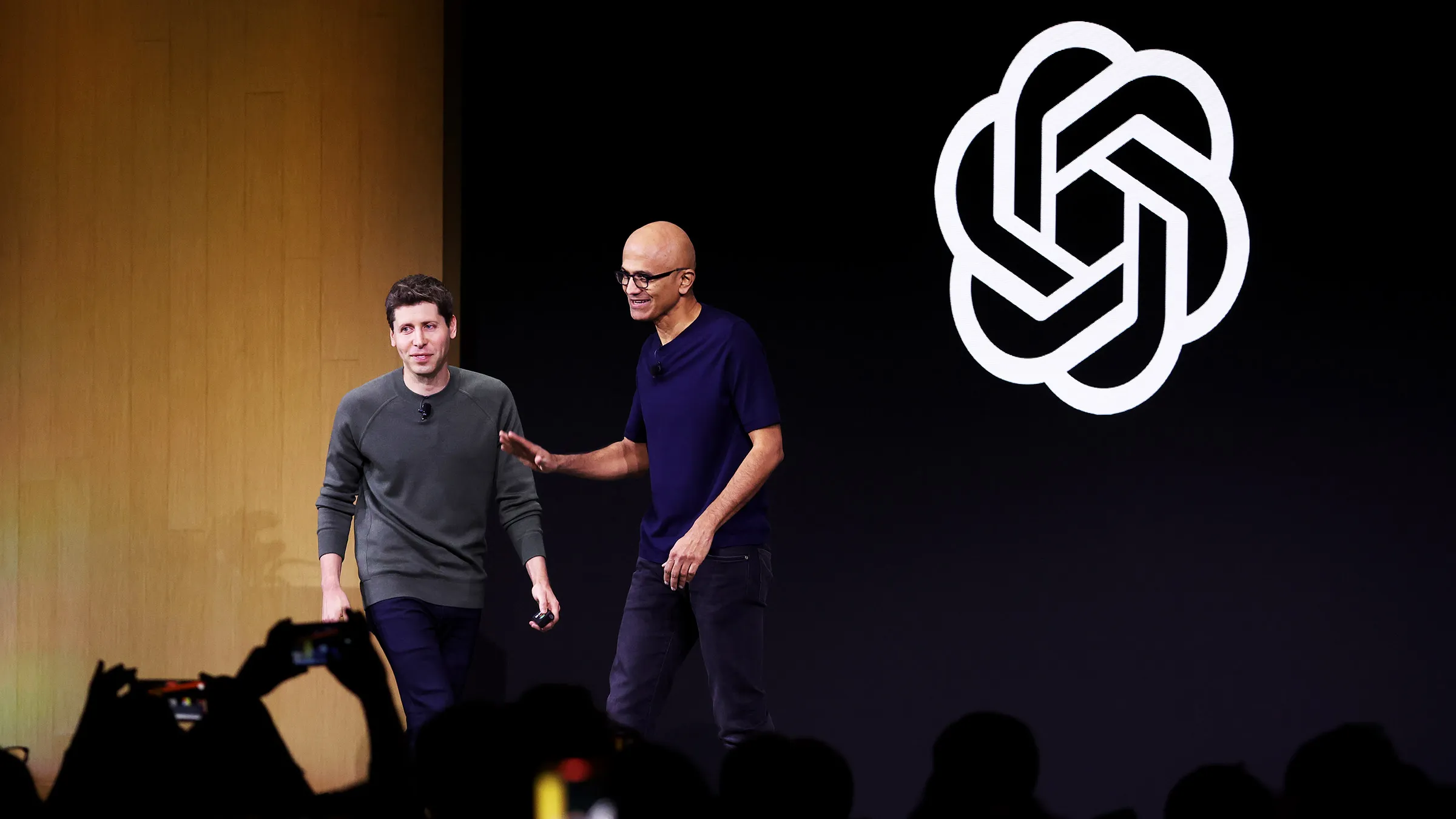
OpenAI, the creator of ChatGPT, has unveiled an innovative AI-powered web browser called “Atlas,” positioning itself as a direct competitor to Google Chrome.
“This is an AI-powered web browser built around ChatGPT,” OpenAI CEO Sam Altman announced during a live-streamed presentation on Tuesday.
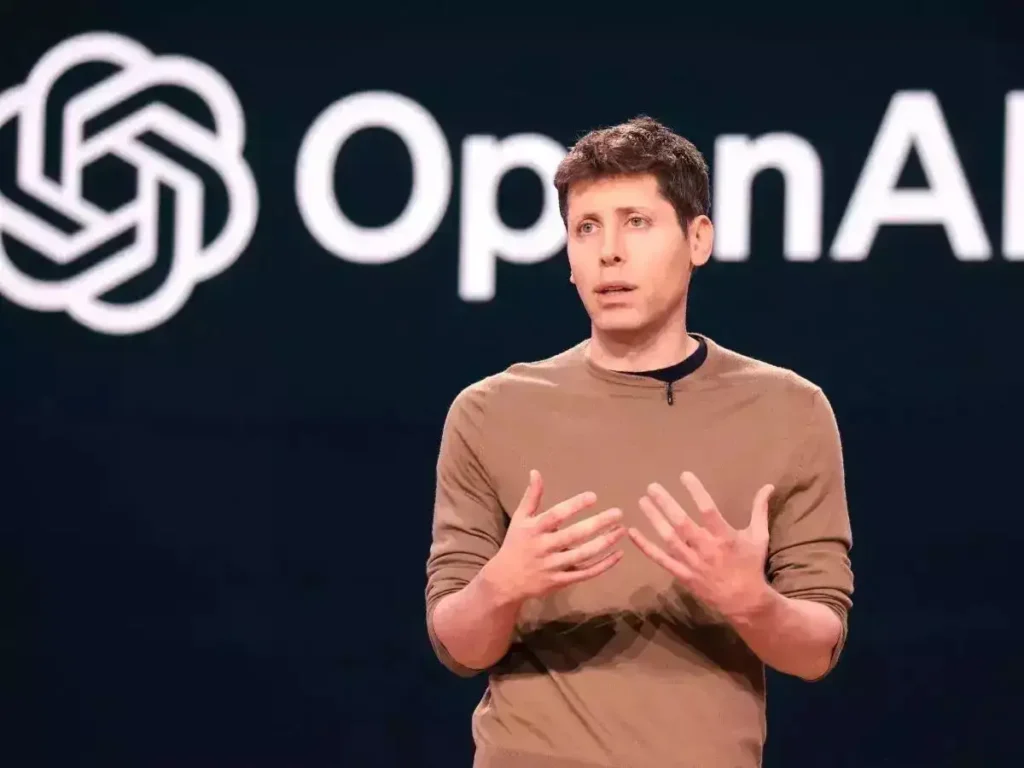
The launch represents OpenAI’s latest move to intensify its rivalry with Google, which has been rapidly integrating artificial intelligence features into its search engine and broader ecosystem.
Altman, alongside senior executives, demonstrated a groundbreaking “agent” mode that allows ChatGPT to perform online searches autonomously on behalf of users.
In this mode, Altman explained, ChatGPT independently navigates the web to gather information and return results. “It’s got all your stuff and is clicking around,” Altman said. “You can watch it or not, you don’t have to, but it’s using the internet for you.”
Atlas is set to roll out Tuesday on computers running Apple’s operating system, while its “agent” mode will be limited to ChatGPT Plus and Pro subscribers. “We want to bring this to Windows and to mobile devices as quickly as we can,” Altman noted, adding that “this is still early days for this project.”
Observers pointed out that several Atlas features resemble functionalities already built into browsers such as Google Chrome and Microsoft Edge.
The unveiling of Atlas comes amid an escalating race among major tech companies — including Amazon, Google, Meta, Microsoft, and Elon Musk’s xAI — to dominate the artificial intelligence space. Since the launch of ChatGPT in late 2022, these firms have invested billions in developing next-generation AI tools.

Atlas’s debut also coincides with Google narrowly avoiding a forced breakup of its Chrome browser following a major antitrust case in the United States. Judge Amit Mehta, who ruled last year that Google had unlawfully maintained monopolies in online search, stopped short of ordering the company to sell its Chrome browser.
Instead, Mehta imposed measures aimed at curbing Google’s dominance, including requirements to share search data with competitors and bans on exclusive agreements that make Google the default search engine on devices or platforms.
The judge acknowledged that the tech landscape has evolved since the U.S. Justice Department and 11 states filed their antitrust suit against Google in 2020 — a shift now underscored by the rise of AI-driven platforms like OpenAI’s Atlas.
What You Should Know
OpenAI’s launch of the “Atlas” browser signals a major shake-up in the web-browsing landscape.
With its autonomous “agent” mode, Atlas could redefine how users search and interact online, marking a significant new phase in the rivalry between OpenAI and Google just as artificial intelligence begins reshaping the search industry.