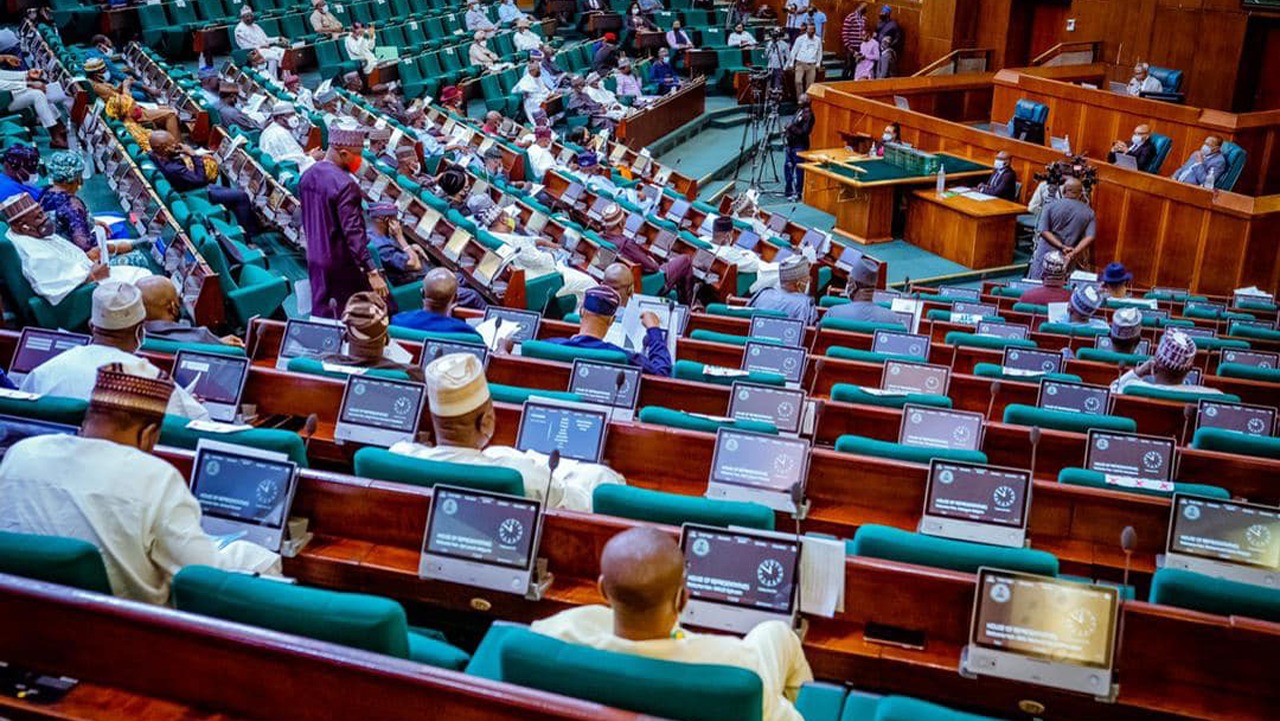
The House of Representatives has adopted a resolution aimed at protecting major private investments in Nigeria from future industrial disruptions, following the recent strike by the Petroleum and Natural Gas Senior Staff Association of Nigeria (PENGASSAN) against the Dangote Refinery.
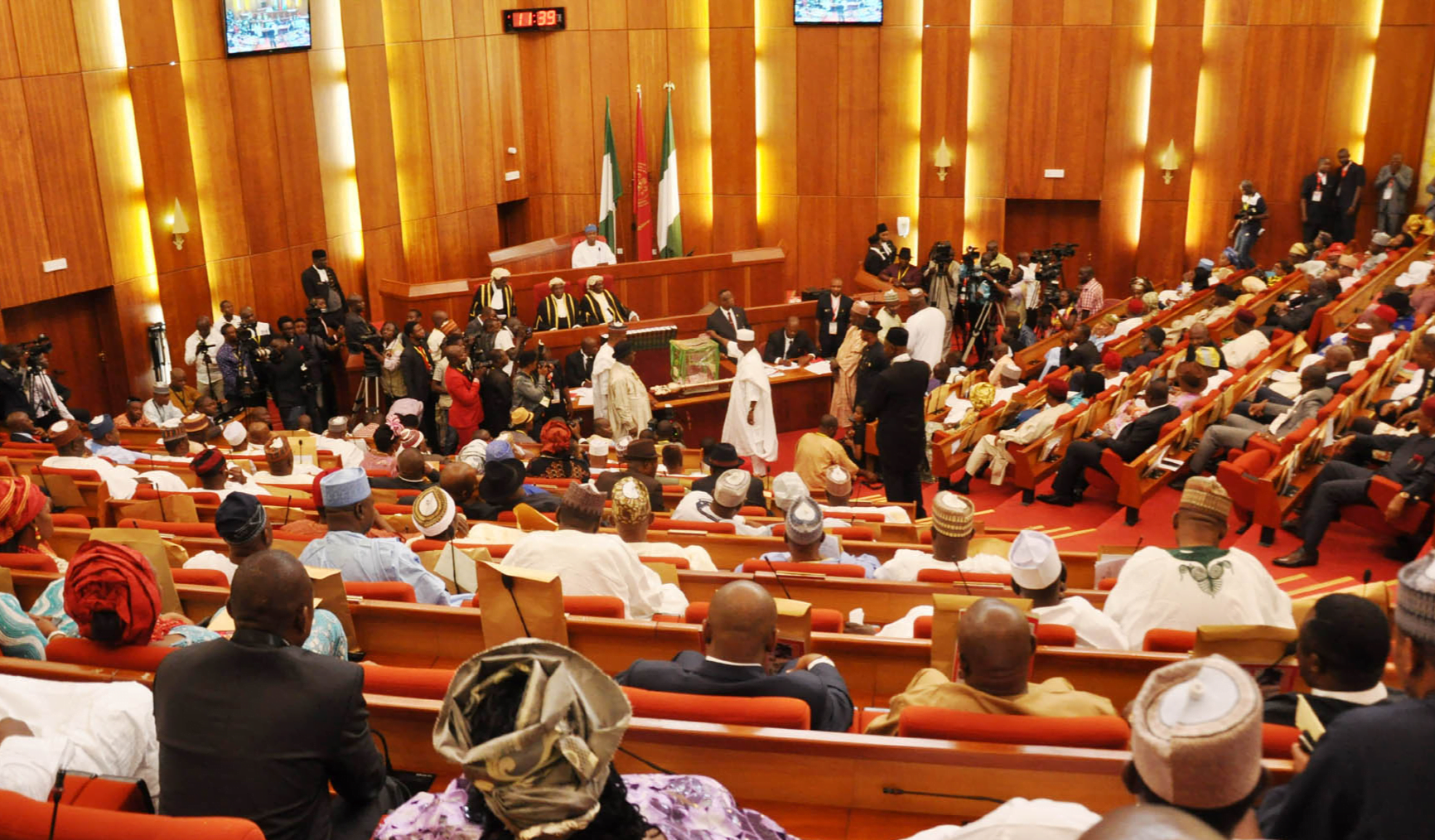
The resolution, jointly sponsored by Hon. Ado Doguwa and Hon. Abdussamad Dasuki, was passed on Tuesday after being debated on the House floor.
In the motion, the lawmakers noted that the Dangote Refinery operates within a Free Trade Zone (FTZ), making the strike action a violation of the Nigeria Export Processing Zones Authority (NEPZA) Act, which enforces a 10-year no-strike policy for businesses in FTZs.
The House expressed concern that the industrial action could undermine investor confidence and negatively impact Nigeria’s economic stability. Lawmakers also highlighted the financial losses incurred during the three-day strike and urged the Federal Government to step in to prevent similar disruptions in the future.
Additionally, the House resolved to develop policy frameworks to deter such occurrences and directed its leadership to engage relevant stakeholders on balancing labour rights with the protection of strategic economic assets.
Last month, PENGASSAN staged a strike accusing the Dangote Refinery of illegally dismissing over 800 Nigerian workers and replacing them with “over 2,000 Indians,” in what the union described as a violation of labour laws and international conventions.
The Dangote Refinery, commissioned in May 2023, denied the allegations, insisting that the staff restructuring was carried out for “safety and efficiency” reasons and affected only a small number of its 3,000 Nigerian employees.
“No law grants PENGASSAN the right to cut off supplies,” the company said, accusing the union of “criminal conduct.”
What You Should Know
The House of Representatives’ latest resolution underscores growing government concern over labour disputes that threaten critical private investments.
The Dangote Refinery, Africa’s largest, is viewed as a key asset for Nigeria’s economic transformation, and lawmakers are seeking to ensure that future industrial actions do not endanger investor confidence or national economic stability.