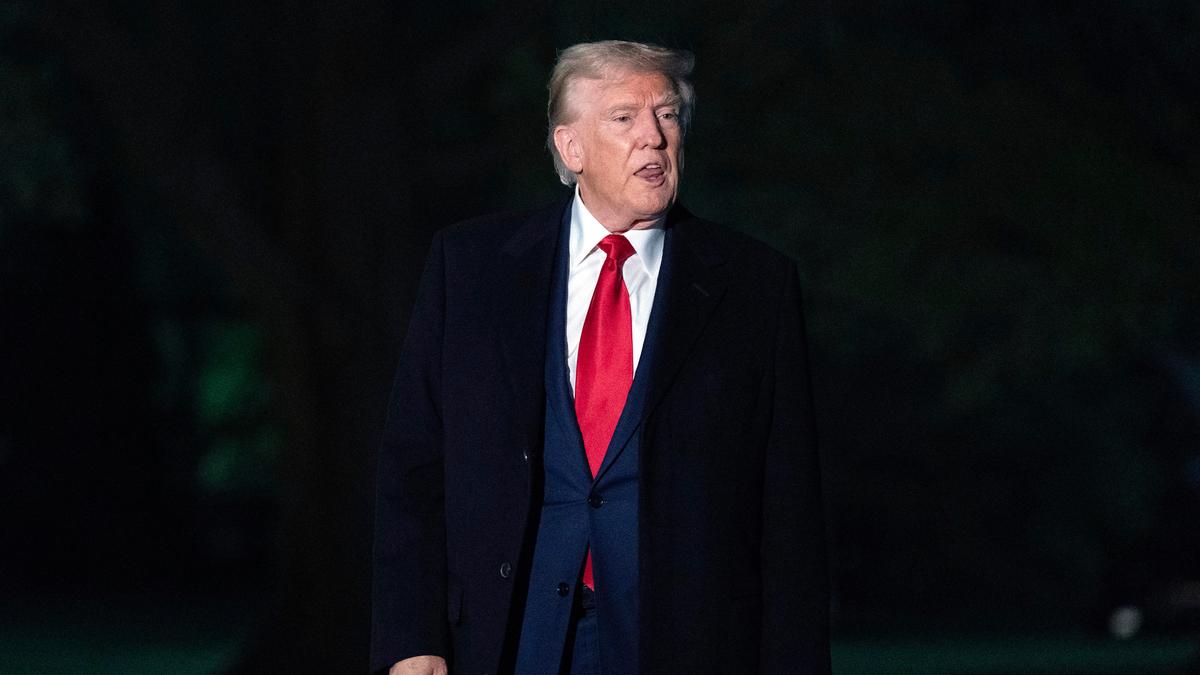
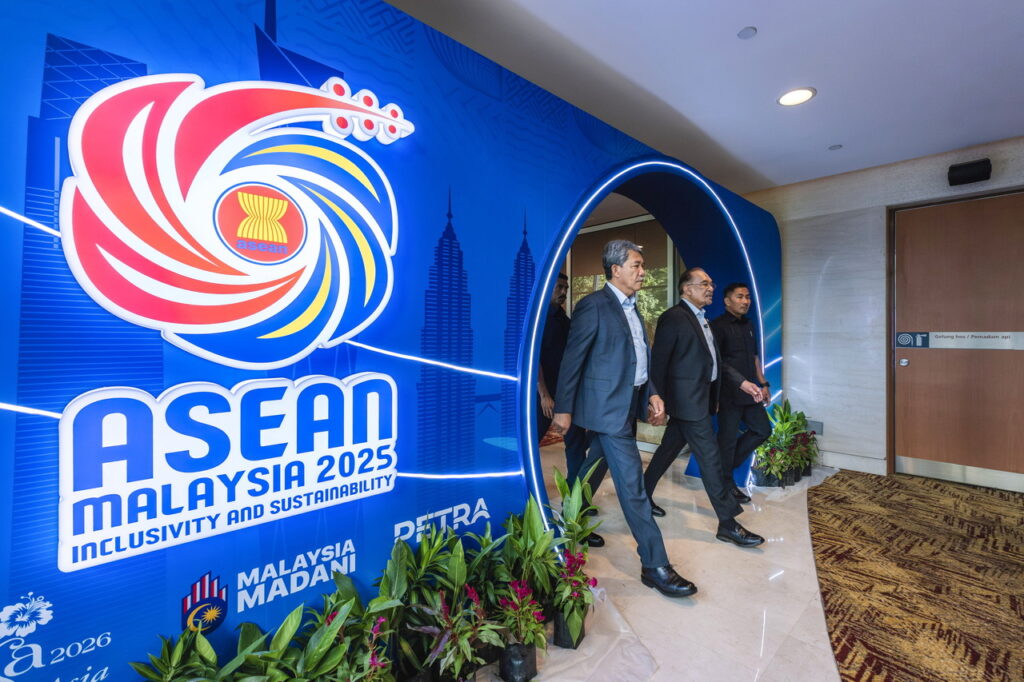
United States President Donald Trump is set to attend the ceremonial signing of a long-awaited peace agreement between Thailand and Cambodia during the upcoming Association of Southeast Asian Nations (ASEAN) summit in Malaysia, according to Malaysian Foreign Minister Mohamad Hasan.
The summit, which will take place in Kuala Lumpur from October 26 to 28, is expected to mark a turning point in relations between the two Southeast Asian neighbors, whose decades-long border tensions escalated in July into the most violent clashes in years, killing more than 40 people and forcing nearly 300,000 residents to flee their homes.
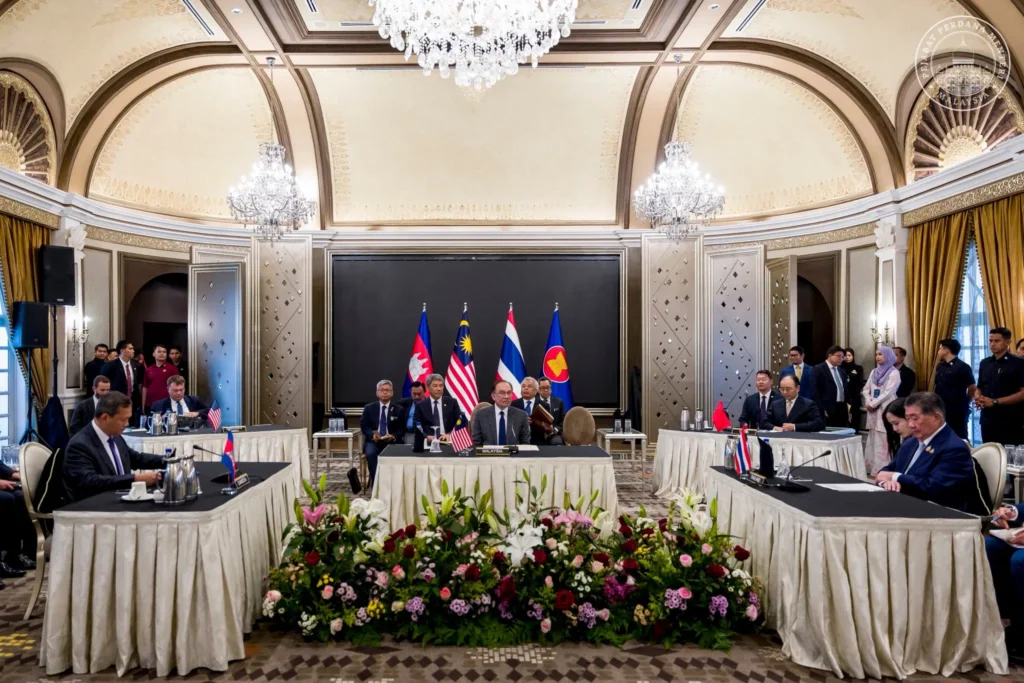
The two countries agreed to a US-brokered ceasefire following five days of fighting, but mutual accusations of truce violations have persisted.
Trump, who personally played a role in mediating the ceasefire, “is looking forward to witnessing the Thailand-Cambodia peace deal,” Mohamad told journalists during a press briefing in Kuala Lumpur.
He revealed that both Malaysia and the United States would act as facilitators to oversee a broader peace process, aiming for what he described as “a more extensive ceasefire deal.” This will include commitments from both countries to remove landmines and withdraw military equipment from border zones, he added.
“We hope that both parties can fulfil these conditions, and during the ASEAN summit, a declaration can be signed,” Mohamad said. “We can call it the Kuala Lumpur Declaration or the Kuala Lumpur Accord. We want to make sure that these two neighbouring countries can come together to make peace and also implement their ceasefire.”
In Bangkok, Thai government spokesman Siripong Angkasakulkiat confirmed that Thailand was aware of Washington’s continued involvement in mediating the dispute but noted that Cambodia must first meet key conditions laid out by Bangkok.
“But what Cambodia has to do first, before we accept the US offer, is the four points that we have raised,” Siripong said.
Thai Prime Minister Anutin Charnvirakul disclosed that he had received a personal letter from President Trump expressing his desire to see a peaceful resolution between the two nations.
Anutin said Thailand remained open to negotiations provided Cambodia withdraws heavy artillery from the border, removes landmines, curbs online scam operations allegedly run from its border areas, and relocates Cambodian citizens residing in disputed zones claimed by Thailand.
Cambodia, however, has maintained that its nationals have lived in the contested border villages “for decades” and that they are an integral part of its territory.
Anutin’s comments came shortly after he appeared to downplay Trump’s continued involvement in the peace process—an initiative the US president has been keen to pursue amid speculation that he hopes to strengthen his bid for a Nobel Peace Prize.
Cambodian Prime Minister Hun Manet has publicly credited Trump’s “innovative diplomacy” for ending the deadly clashes and said he has nominated Trump for the Nobel Peace Prize in recognition of his role in mediating the truce.
If finalized, the Thailand-Cambodia agreement—expected to be signed during the ASEAN summit—could mark a historic milestone for regional stability and reaffirm Washington’s growing diplomatic influence in Southeast Asia.
What You Should Know
President Donald Trump’s attendance at the ASEAN summit underscores his growing engagement in Asian peace efforts.
The Thailand-Cambodia accord, seen as a major diplomatic breakthrough, could help restore stability in a volatile border region while boosting Trump’s international profile as a mediator.