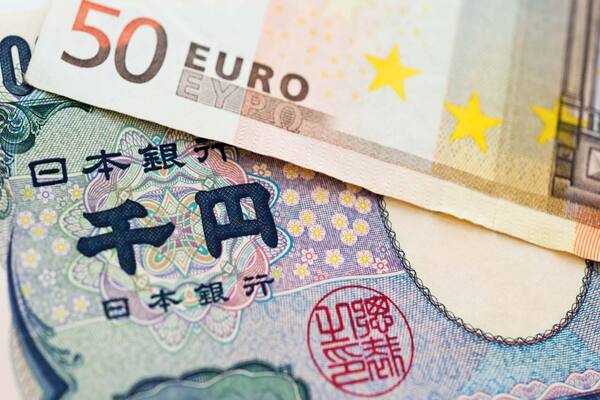
Global currency markets experienced dramatic shifts this week, with the Japanese yen careening toward its steepest weekly decline in a year and the euro languishing near two-month lows, as political uncertainties and diverging monetary policy expectations sent shockwaves through foreign exchange trading floors.
The yen’s precipitous fall—heading for a bruising 3.5% weekly drop, its worst performance since last October—has exposed deep anxieties about the Bank of Japan’s policy trajectory following Sanae Takaichi’s unexpected victory in the ruling Liberal Democratic Party leadership race. The currency edged up a modest 0.2% to 152.7 per dollar on Friday but remained dangerously close to its weakest level since mid-February, prompting urgent warnings from Japanese officials.
“The government is concerned about excessive volatility in the foreign exchange market,” Japanese Finance Minister Katsunobu Kato stated Friday, echoing remarks from Takaichi herself, who acknowledged Thursday that she “did not want to trigger excessive declines in the yen.” The carefully calibrated statements represent what currency strategists view as verbal intervention—a preliminary warning shot before potential direct market action.
Jane Foley, chief strategist at Rabobank, suggested Tokyo’s approach has been deliberate. “The Ministry of Finance is very sophisticated; they’re very experienced, and I think they would use verbal intervention beforehand. And in a way, I think they have,” she noted.
The currency turmoil stems largely from Takaichi’s reputation as a fiscal dove and her pointed comments about monetary policy alignment with government objectives. While she emphasized Thursday that “the BOJ is responsible for setting monetary policy,” she added the crucial caveat that “any decision it makes must align with the government’s goal”—language that has spooked traders betting on continued rate normalization.
Market expectations for BOJ action have collapsed accordingly. Traders now assign only a 45% probability to a rate hike at December’s policy meeting, with a 25-basis-point increase not fully priced in until March—a stark retreat from earlier expectations of more aggressive tightening.
Takaichi’s path to potentially becoming Japan’s first female prime minister hit an unexpected roadblock when the LDP’s junior coalition partner, Komeito, withdrew its support, fracturing their 26-year alliance and likely postponing the anticipated October 15 parliamentary vote.
EUROPEAN CRISIS COMPOUNDS CURRENCY WOES
Across the globe in Europe, the euro faced its own crisis of confidence, heading for its largest weekly decline in 11 months. The single currency managed a marginal 0.2% gain on Friday to $1.1586 but remained mired near two-month lows as France’s political paralysis deepened.
President Emmanuel Macron’s search for his sixth prime minister in under two years has laid bare the dysfunction gripping the French government. The revolving door at Matignon comes as legislators struggle to pass a critical belt-tightening budget through a bitterly divided National Assembly—a deadlock that has set off alarm bells among investors already concerned about France’s ballooning deficit.
The French turmoil arrives at an inopportune moment, as economic data from Germany—the eurozone’s traditional powerhouse—continues to disappoint. “The data from Germany’s not good, and therefore I think that makes the euro a little bit more susceptible to wobbles on the French news,” Foley observed.
DOLLAR SURGES AS RIVALS FALTER
The combined weakness in the yen and euro has propelled the dollar index to near two-month highs around 99.24, marking a 1.7% weekly advance—its strongest in a year. The rally has caught many traders off guard, forcing a scramble to cover short dollar positions.
“The recent dollar rally has gone against market positioning and prompted a partial covering of USD shorts,” said Chris Weston, head of research at Pepperstone. However, he expressed caution about the sustainability of the move: “There remains a high degree of skepticism that the USD can materially push through 100, a level in the dollar index that was quickly reversed in May.”
With the U.S. government shutdown dragging on and economic data releases suspended, market participants have turned their attention to Federal Reserve officials for guidance. New York Fed President John Williams signaled Thursday his comfort with additional rate cuts, though he acknowledged internal disagreement among policymakers concerned about inflation risks.
Current market pricing reflects a 95% odds of a 25-basis-point rate cut at the Fed’s October meeting, while December cut probabilities have slipped to 80% from 90% a week ago, according to CME Group’s FedWatch Tool.
As trading desks brace for continued volatility, the week’s currency gyrations underscore how quickly political developments can upend carefully constructed monetary policy expectations—a reminder that in today’s interconnected markets, central bank independence remains more aspiration than guaranteed reality.
WHAT YOU SHOULD KNOW
The Japanese yen is experiencing its worst weekly decline in a year—down 3.5%—driven by fading expectations that the Bank of Japan will raise interest rates anytime soon. The newly elected ruling party leader, Sanae Takaichi, a known fiscal dove, has signaled opposition to aggressive rate hikes, causing traders to drastically scale back their bets on BOJ tightening.
Meanwhile, the euro is suffering its steepest weekly drop in 11 months as France’s political crisis deepens. President Macron is searching for his sixth prime minister in under two years, and the government’s inability to pass a critical budget has spooked investors already worried about France’s growing deficit and Germany’s weak economic data.