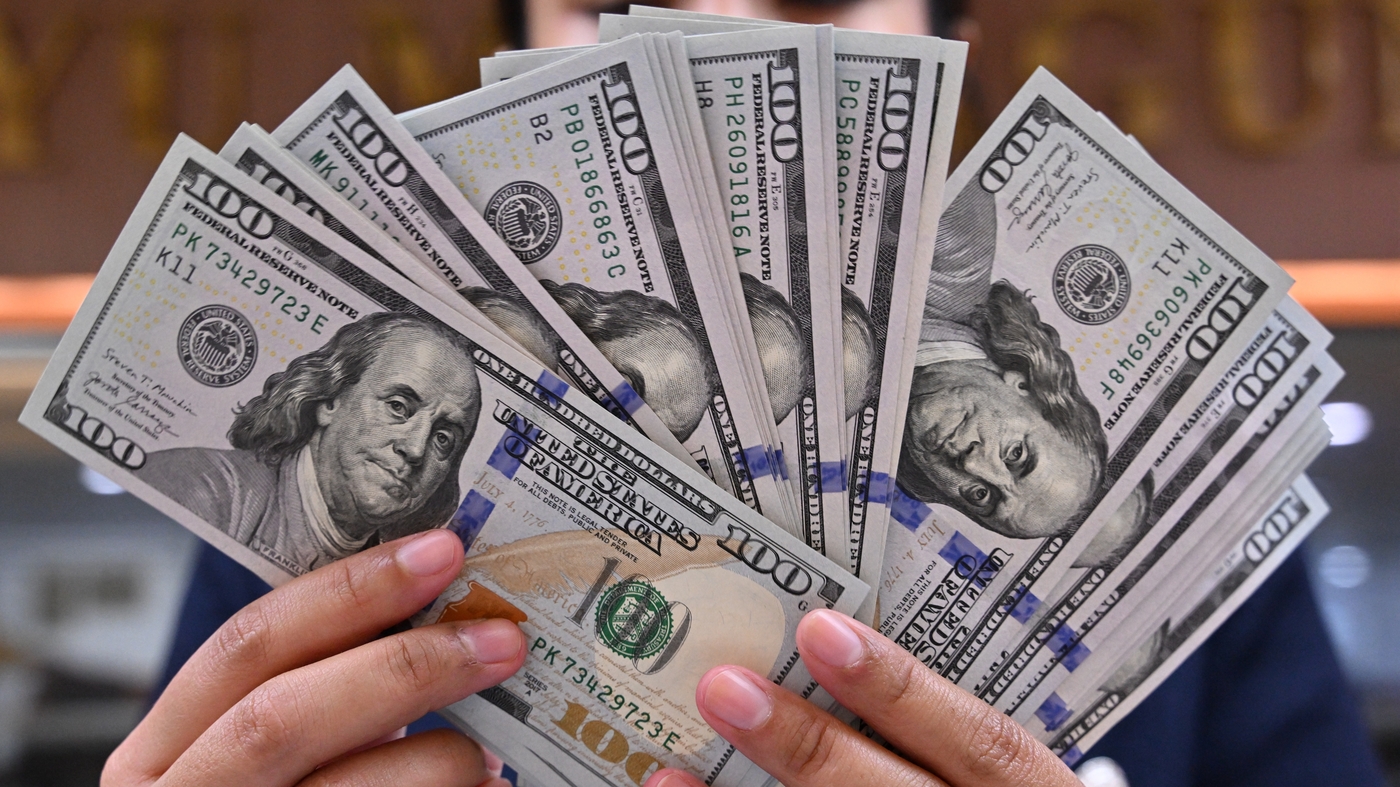
The U.S. dollar extended its rally on Thursday, capitalizing on turbulence in two of the world’s major currencies as political upheaval in France and a significant leadership shift in Japan sent the euro and yen tumbling to multi-month lows.
The greenback’s strength comes at a particularly complex moment for global markets, as investors navigate not only international political uncertainty but also a lengthening government shutdown in Washington that threatens to obscure crucial economic data just as the Federal Reserve prepares for its next policy decision.
French Political Crisis Weighs on Euro
The euro has been caught in a downward spiral following the dramatic resignation of French Prime Minister Sebastien Lecornu and his government earlier this week, plunging Paris into a fresh political crisis that has rattled investor confidence in the eurozone’s second-largest economy.
The single currency traded 0.2% lower at $1.1609 on Thursday, hovering near its weakest level since late August. For the week, the euro has shed nearly 1% of its value as markets digest the implications of France’s governmental collapse.
In a move that caught many by surprise, President Emmanuel Macron announced plans to appoint a new prime minister before the week’s end—a faster timeline than market participants had anticipated. Many analysts had expected the crisis to drag on, potentially culminating in divisive snap elections that could further destabilize French politics.
“President Macron could announce a new PM by Friday evening. This has come as a surprise to a market that had felt that the next chapter in the French political saga could only be new and divisive elections,” said Chris Turner, head of markets at ING. The prospect of a swift resolution has provided some support for the battered currency, preventing an even steeper decline.
Japan’s Political Shift Hammers Yen
Meanwhile, the Japanese yen has faced its own reckoning this week following the selection of hardline conservative Sanae Takaichi as head of Japan’s Liberal Democratic Party. The move puts her on track to become the country’s first female prime minister and has triggered speculation about a potential return to aggressive fiscal stimulus and accommodative monetary policy.
The yen fell 0.27% to 153.07 per dollar on Thursday, touching levels not seen since February. The currency’s slide has been precipitous, with a staggering 3.8% decline over the course of the week—a significant move in currency markets where daily fluctuations are typically measured in fractions of a percent.
Takaichi’s reputation as a proponent of expansive government spending and loose monetary conditions has raised concerns among currency traders that Japan may reverse its recent tentative steps toward policy normalization, potentially weakening the yen further.
Dollar Benefits from Global Uncertainty
The combined weakness in the euro and yen has provided a tailwind for the dollar, which climbed to a two-month peak. The dollar index, which measures the greenback against a basket of major currencies, rose 0.20% to 99.038 on Thursday.
“In the absence of U.S. data, FX markets have largely focused on French and Japanese politics,” Turner noted, highlighting how political developments abroad have dominated currency trading this week.
Fed Minutes Reveal Delicate Balancing Act
Adding another layer of complexity to the currency picture, minutes from the Federal Reserve’s September policy meeting released Wednesday revealed that central bank officials remain caught between competing concerns about the labor market and persistent inflation.
The minutes showed that Fed policymakers agreed that rising risks to employment justified their recent rate cut, but they expressed continued wariness about inflation levels and debated how much high borrowing costs were actually constraining economic activity.
The Fed’s task may become even more challenging in the coming weeks. The ongoing government shutdown threatens to delay the release of critical economic data, potentially leaving policymakers “flying blind” as they approach their October meeting, according to market observers.
Despite these uncertainties, investors continue to price in a 25 basis point rate cut at the Fed’s next gathering, suggesting confidence that the central bank will maintain its easing trajectory even amid limited economic visibility.
Outlook Remains Uncertain
As markets head into the final trading session of the week, currency traders will be watching closely for Macron’s prime ministerial announcement and any further developments from Tokyo. The interplay between political uncertainty abroad and monetary policy decisions at home is likely to keep currency markets volatile in the sessions ahead.
For now, the dollar appears well-positioned to maintain its strength, buoyed by relative political stability in Washington despite the shutdown—a stark contrast to the leadership turmoil unsettling America’s allies across the Atlantic and Pacific.
WHAT YOU SHOULD KNOW
The U.S. dollar is strengthening primarily because of political chaos elsewhere, not American economic strength. France’s government collapse and Japan’s shift toward a big-spending leader are weakening the euro and yen, respectively, making the dollar the winner by default. Meanwhile, a U.S. government shutdown threatens to complicate the Federal Reserve’s next rate decision by delaying crucial economic data.