The House of Representatives has dismissed claims suggesting that Nigeria’s security challenges are religiously motivated or state-sponsored, insisting that such narratives distort the nation’s realities.
This comes in response to a bill introduced in the United States Congress on March 11, 2025, which seeks to designate Nigeria as a “Country of Particular Concern” for allegedly engaging in or tolerating violations of religious freedom.
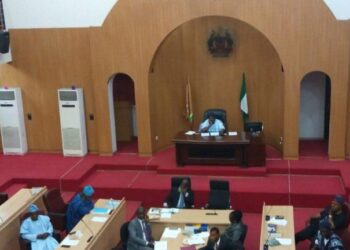
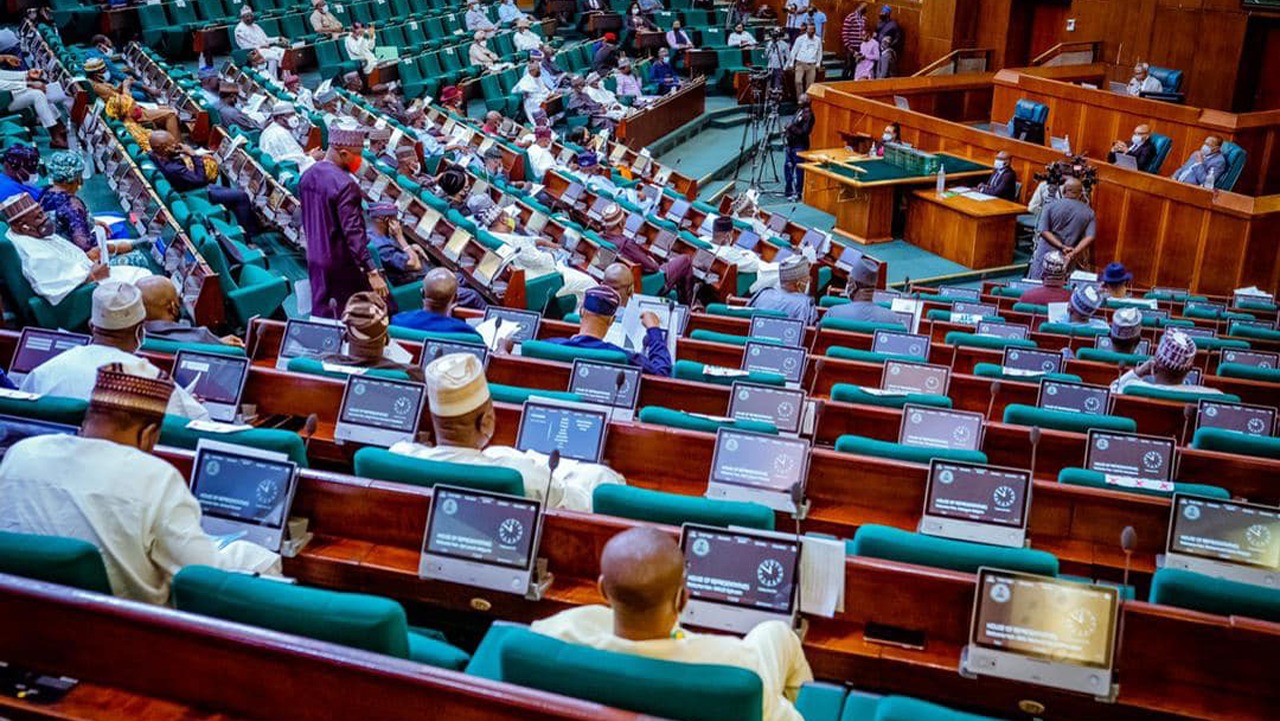
In a motion of urgent public importance moved by Deputy Speaker Benjamin Kalu, the House mandated relevant government agencies, including the Ministry of Foreign Affairs, to gather and transmit empirical evidence countering the allegations raised in the US bill. The motion received unanimous support from lawmakers.
Parliamentarians emphasized that Nigeria is not experiencing a religious war, calling instead for swift diplomatic engagement to prevent the proposed legislation from gaining momentum in the US Congress.
Two weeks earlier, the Federal Government had issued a similar rebuttal, describing the claims as “false, baseless, despicable, and divisive.”

In a statement, the Minister of Information and National Orientation, Mohammed Idris, condemned attempts to frame Nigeria’s insecurity as a religious conflict.
“The federal government strongly condemns and categorically refutes recent allegations by certain international platforms and online influencers suggesting that terrorists operating in Nigeria are engaged in a systematic genocide against Christians,” Idris said.
He added, “Portraying Nigeria’s security challenges as a targeted campaign against a single religious group is a gross misrepresentation of reality. While Nigeria, like many countries, has faced security challenges, including acts of terrorism perpetrated by criminals, couching the situation as a deliberate, systematic attack on Christians is inaccurate and harmful.”
Idris stressed that extremist violence in Nigeria has affected people of all faiths, not just one religious group, and highlighted the military’s progress in combating terror networks.
What you should know
The Nigerian House of Representatives and the Federal Government have jointly rejected a US congressional bill labeling Nigeria as hostile to religious freedom.
Both insist the nation’s insecurity stems from criminal and extremist activity, not religious persecution, and have called for diplomatic engagement to counter the claims.