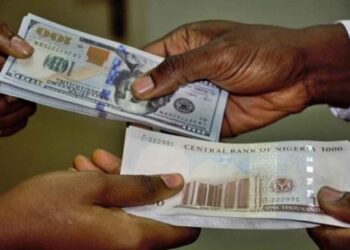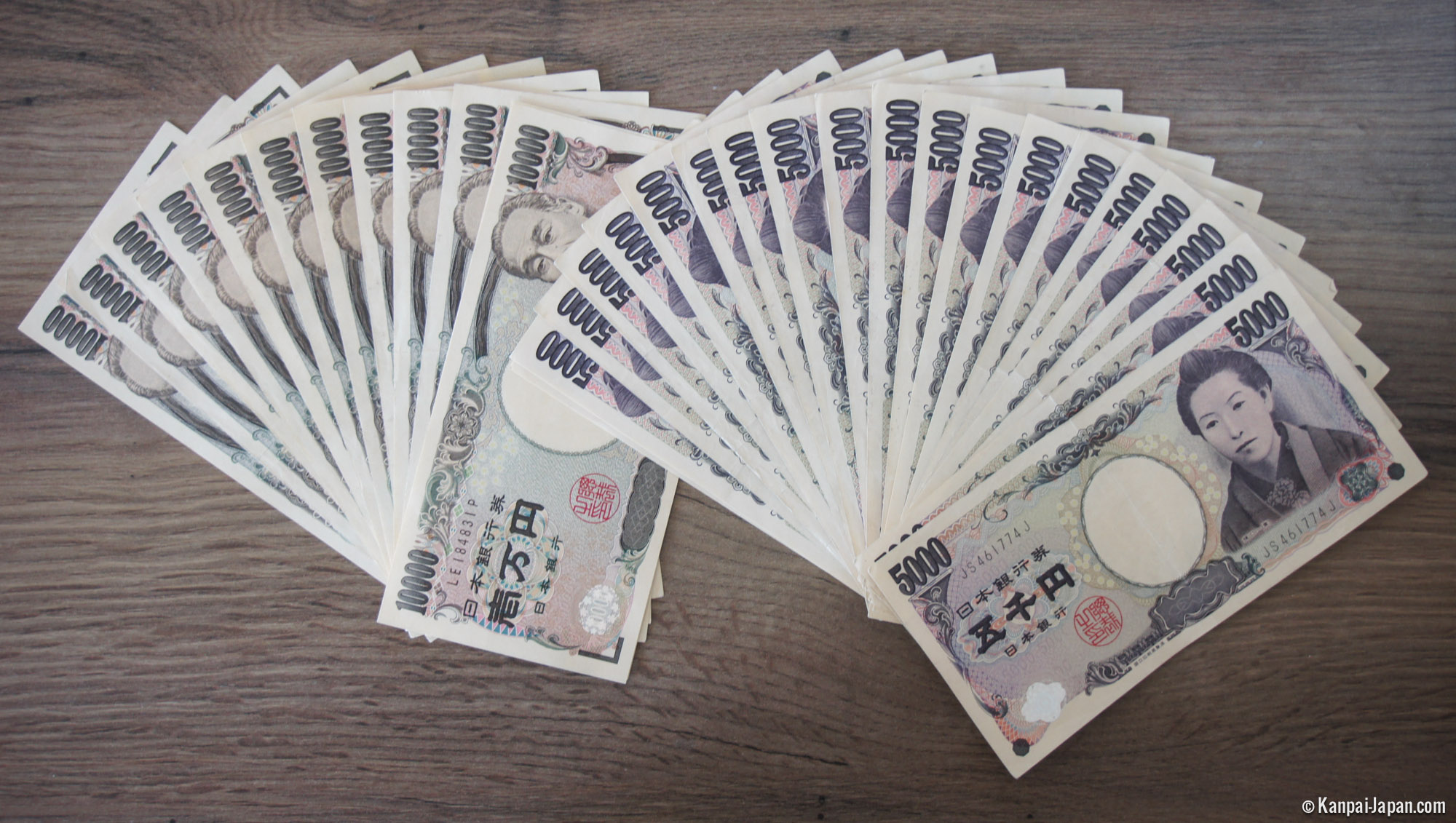
Global currency markets experienced significant volatility on Tuesday as political turbulence in two major economies sent shockwaves through trading floors, with the Japanese yen plummeting to a two-month low and the euro struggling to maintain its footing amid France’s deepening governmental crisis.
Japan’s Yen Under Pressure as Takaichi Charts New Economic Course
The Japanese yen weakened substantially, falling 0.3% to 150.88 against the dollar—its lowest level since August 1—following Sanae Takaichi’s victory in the ruling party’s leadership race. The currency had already shed nearly 2% the previous day as markets digested the implications of her win. Against the euro, the yen tumbled to 176.35, marking its weakest position since the single currency’s launch in 1999, before staging a modest recovery.
Takaichi, widely expected to assume the role of Japan’s next prime minister, has outlined an ambitious economic agenda centered on aggressive fiscal spending and has publicly criticized the Bank of Japan’s recent interest rate increases. Her stance has dramatically reshaped market expectations for Japanese monetary policy.
The policy implications are stark: money market traders have slashed their expectations for a near-term rate hike, now pricing in just a 25% probability that the BoJ will raise rates at its October 30 policy meeting—down sharply from approximately 60% before Takaichi’s victory.
“For this month, the BoJ will perhaps stay on hold just to be on the safe side, but in December they’ll get a bit more data and I think they’ll deliver another hike,” said Mohamad Al-Saraf, forex research associate at Danske Bank. “Inflation is still too high, rates are still too low, and the case for another BoJ hike this year is still alive.”
Japanese authorities are already signaling concern about the currency’s rapid decline. The finance minister indicated that officials are monitoring for excessive market movements, raising the possibility of intervention to stabilize the yen.
Bart Wakabayashi, Tokyo branch manager of State Street, suggested that Japanese policymakers may attempt to verbally intervene to prevent further depreciation as markets await clarity on Takaichi’s cabinet appointments and policy implementation.
“We’ll see if the expected policies that she is tied to will come through,” Wakabayashi noted, emphasizing that the 150 yen per dollar level carries significant psychological and economic weight. “From an economic and corporate competitive perspective, where is the Bank of Japan and the Ministry of Finance comfortable? I do believe it’s at a lower level.”
Euro Falters as French Political Crisis Deepens
Across the globe in Europe, the euro continued its slide for a second consecutive day, dropping 0.4% to $1.1661, as France’s political crisis intensified following the prime minister’s resignation on Monday. The departure has placed additional pressure on President Emmanuel Macron’s administration and cast serious doubt over the country’s fiscal consolidation efforts.
The political paralysis now threatens France’s budgetary process. The country is likely to miss its deadline for presenting the 2026 budget bill, forcing lawmakers to pass emergency stopgap legislation to authorize government spending from January 1 until a comprehensive budget can be approved.
Financial markets are expressing growing concern about French sovereign risk. The spread between French and German 10-year bond yields—a key indicator of the risk premium investors demand for holding French debt—reached 88 basis points on Monday, its widest level since January.
Adding to the euro’s woes, data released Tuesday revealed that German industrial orders unexpectedly declined in August, pulled down by weakness in the automotive sector and falling overseas demand. The disappointing figures underscore the broader economic challenges facing the eurozone’s largest economy.
European Central Bank President Christine Lagarde and other top policymakers attempted to provide reassurance on Monday, stating that current interest rate levels remain appropriate. However, they acknowledged that borrowing costs may need to be reduced if the risk of excessively low inflation materializes.
Dollar Strengthens Amid Global Uncertainty
The U.S. dollar has emerged as the primary beneficiary of the turmoil in other major currencies. The dollar index, which tracks the greenback against a basket of currencies, rose 0.4% to 98.49, even as the ongoing U.S. government shutdown continues to disrupt economic data releases.
The shutdown has delayed key economic indicators, including last Friday’s closely watched monthly jobs report for September, with additional releases postponed until the government reopens.
Danske Bank’s Al-Saraf noted that the absence of U.S. economic data is amplifying market reactions to international developments. “The lack of U.S. data means investors are reacting to other developments more than perhaps they would have done,” he explained.
As trading continues, currency markets remain on edge, with investors closely monitoring political developments in Tokyo and Paris while awaiting the resolution of Washington’s fiscal standoff. The coming weeks will prove critical in determining whether current volatility represents a temporary adjustment or signals a more fundamental shift in global currency dynamics.
WHAT YOU SHOULD KNOW
Political uncertainty is driving major currency swings. Japan’s yen hit a two-month low after incoming Prime Minister Sanae Takaichi signaled she’ll oppose interest rate hikes and pursue aggressive spending, causing traders to dramatically scale back expectations for Bank of Japan tightening.
Meanwhile, the euro weakened as France’s prime ministerial resignation throws budget plans into chaos and raises sovereign debt concerns. The U.S. dollar is the clear winner, strengthening against both currencies as investors seek stability amid the political turmoil—a trend amplified by the lack of U.S. economic data due to the government shutdown.