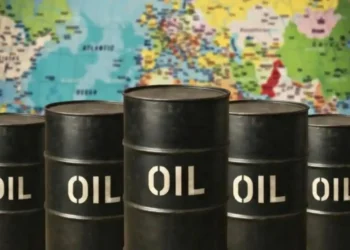
The Organization of the Petroleum Exporting Countries and its allies (OPEC+) appears set to approve another modest increase in oil production when eight key member nations convene virtually on October 5, according to sources familiar with the deliberations.
The anticipated increase of at least 137,000 barrels per day would represent the latest step in OPEC+’s strategic pivot away from the aggressive production cuts that defined much of the post-pandemic period. The cartel has already approved a 137,000-barrel-per-day increase for October, marking a significant deceleration from the larger monthly increases implemented earlier this year.
This measured approach reflects the delicate balancing act facing OPEC+ as oil prices have stabilized in the $60-$70 per barrel range since production increases began in April. The recent spike above $70 per barrel on Friday, driven by Ukrainian drone attacks on Russian energy infrastructure, has provided the cartel with additional confidence to pursue market share gains without severely depressing prices.
The production increase comes as part of OPEC+’s broader unwinding of what were once the most substantial oil cuts in history. At their peak, the alliance had withdrawn 5.85 million barrels per day from global markets—a coordinated response that helped stabilize oil prices during the economic disruption caused by the COVID-19 pandemic.
The cartel’s current strategy involves a phased approach to restoring production. Having already fully reversed one layer of cuts totaling 2.2 million barrels per day by September’s end, OPEC+ has now begun the more cautious process of unwinding a second tranche of 1.65 million barrels per day in cuts. The November increase under discussion would continue this gradual restoration.
Political pressure has also influenced OPEC+’s calculations. The alliance has faced sustained pressure from U.S. President Donald Trump to increase production and lower oil prices, adding a geopolitical dimension to what are ostensibly market-driven decisions.
However, the reality on the ground suggests OPEC+’s production increases may be more symbolic than substantive. Energy analysts have noted that many member countries are already producing at or near capacity, meaning pledged increases often fall short of actual delivery. This capacity constraint has effectively limited the cartel’s ability to flood the market, even as it publicly commits to higher output levels.
The United Arab Emirates has emerged as one beneficiary of the new approach, receiving approval for a 300,000-barrel-per-day production increase between April and September – a significant allocation that reflects its expanded role within the alliance.
As OPEC+ navigates this critical juncture, the organization faces the challenge of maintaining market stability while recapturing the market share lost during years of disciplined production cuts. The group is doubling down on its policy shift to pursue market share instead of defending prices, a strategy that global energy markets will closely watch as winter demand approaches.
The upcoming October 5 meeting, while expected to be brief like recent gatherings, will provide crucial signals about OPEC+’s medium-term strategy and its willingness to continue this gradual production restoration in an increasingly complex global energy landscape.
WHAT YOU SHOULD KNOW
OPEC+ is gradually abandoning its price-defense strategy in favor of reclaiming market share, approving modest monthly production increases of around 137,000 barrels per day. While oil prices have stabilized around $60-70 per barrel, the cartel’s actual impact remains limited since most members are already producing at full capacity.
This strategic shift from cuts to increases signals OPEC+’s priority has moved from supporting high oil prices to preventing further loss of global market dominance.