The Central Bank of Nigeria (CBN) has intensified its efforts to combat the widespread abuse of the naira, launching a nationwide campaign yesterday as the country enters the Christmas and New Year period—a time traditionally marked by increased cash transactions and social celebrations.
The initiative, unveiled at the CBN headquarters in Abuja, comes amid growing concerns over the escalating costs of maintaining Nigeria’s currency due to public mishandling. Deputy Governor for Operations, Mr. Bala Bello, emphasized that the campaign represents a critical intervention to preserve both the physical integrity of the naira and Nigeria’s national dignity.
“The naira is more than a means of payment. It represents our national pride, our sovereignty, and our shared destiny as a people,” Bello stated through his representative, Dr. Adetona Adedeji, Director of Currency Operations and Branch Management.
Cultural Practices Under Scrutiny
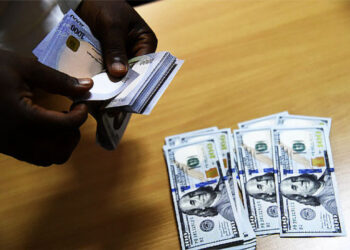
The campaign specifically targets common practices that have become deeply ingrained in Nigerian social culture, particularly the practice of spraying naira notes at weddings, parties, and other celebratory events. This practice, while culturally significant in many Nigerian communities, has been identified by monetary authorities as a major contributor to currency degradation.
Beyond spraying, the CBN has condemned other forms of currency abuse, including deliberate tearing, folding, writing on notes, and outright mutilation. These practices, officials argue, not only damage the physical currency but also undermine Nigeria’s economic sovereignty.
Economic Implications
The timing of the campaign is particularly strategic, coinciding with the Yuletide season when cash usage typically spikes across the country. During this period, social gatherings and celebrations often feature the controversial practice of naira spraying, contributing to increased wear and tear on the national currency.
The economic burden of replacing damaged currency has become a significant concern for the CBN, which must continually print new notes to replace those rendered unusable through public mishandling. This cycle creates additional strain on the nation’s monetary resources and operational costs.
Multi-Stakeholder Approach
Operating under the theme “Naira Our Pride: Handle with Care,” the campaign acknowledges that behavioral change cannot be achieved through central bank action alone. Bello stressed the need for comprehensive collaboration across multiple sectors of society.
“The Central Bank cannot succeed in this mission alone,” he emphasized, calling for active participation from commercial banks, microfinance institutions, transport unions, traders’ associations, market leaders, educational institutions, religious organizations, civil society groups, and the media.
This multi-pronged approach recognizes that currency handling practices are deeply rooted in social customs and require intervention at multiple levels of Nigerian society to achieve meaningful change.
Looking Forward
The campaign represents part of broader efforts by the CBN to modernize Nigeria’s relationship with its national currency while preserving cultural values. As the country continues to grapple with various economic challenges, the central bank’s emphasis on currency respect reflects deeper concerns about national economic stability and identity.
The success of this initiative will likely depend on the extent to which various stakeholder groups embrace the campaign’s message and implement practical measures to change long-standing cultural practices around currency handling.
As Nigerians celebrate the festive season, the CBN’s message is clear: treating the naira with respect is not just an economic imperative, but a matter of national pride and collective responsibility.
WHAT YOU SHOULD KNOW
The Central Bank of Nigeria has launched an urgent campaign to stop Nigerians from abusing the naira – particularly the popular practice of spraying money at parties and events – because these cultural habits are significantly increasing the cost of maintaining the country’s currency.
The CBN emphasizes that the naira represents national pride and sovereignty, and is calling on all sectors of society – from banks to religious organizations – to help change these deeply rooted behaviors during the high-spending Christmas season and beyond.