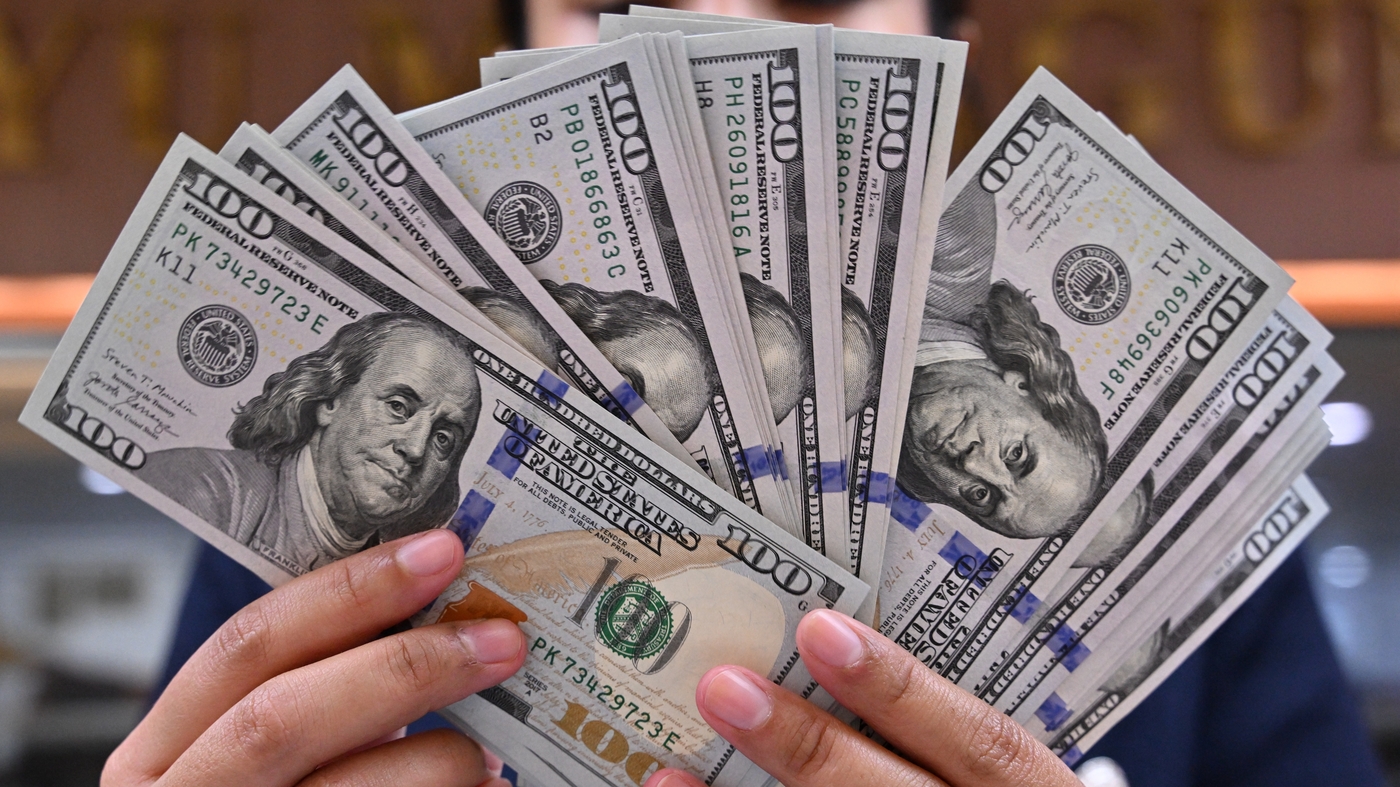
The U.S. dollar mounted a strong recovery on Thursday, climbing 0.5% against a basket of major currencies after Federal Reserve Chair Jerome Powell tempered expectations for aggressive rate cuts, despite delivering a widely anticipated quarter-point reduction in borrowing costs the previous day.
The greenback’s resurgence came as investors recalibrated their expectations following Powell’s characterization of Wednesday’s rate cut as a “risk-management” measure rather than the beginning of a rapid easing cycle. The Fed chief’s measured tone fell short of what Eric Theoret, FX strategist at Scotiabank, described as the “unequivocal dovishness that the markets were expecting.”
Labor Market Data Provides Additional Support
The dollar’s rally gained momentum from encouraging employment data, which showed a decline in weekly unemployment benefit applications, reversing the previous week’s concerning spike. This improvement in labor market conditions appeared to validate Powell’s cautious approach to monetary policy easing.
“The balance for the markets was kind of just leaning all to one side, and so it would have taken a lot to break the U.S. dollar even further from here,” Theoret explained, noting that the currency had experienced heavy selling pressure at the start of the week.
The dollar index, which measures the greenback against six major peers, demonstrated remarkable volatility around the Fed’s decision. It initially plunged to 96.224 immediately following Wednesday’s rate announcement—its lowest level since February 2022—before staging a vigorous comeback to 97.412 by Thursday’s trading session.
Mixed Interpretations of Fed Messaging
Wall Street analysts remained divided over the Federal Reserve’s future trajectory. While Goldman Sachs economists suggested Wednesday’s cut could be the first in a series of reductions, their counterparts at ANZ took a markedly different view, characterizing Powell’s commentary as “not at all dovish.”
This divergence in interpretation reflects the delicate balancing act the Fed faces as it attempts to support a softening labor market while maintaining flexibility in its policy approach.
Sterling Retreats Despite BoE’s Steady Hand
The dollar’s strength rippled across currency markets, with the British pound surrendering early gains to close 0.5% lower at $1.3563. Sterling had initially risen following the Bank of England‘s decision to maintain current interest rates, but the dollar’s broader rally ultimately overwhelmed these modest advances.
The BoE also announced a reduction in the pace of its government bond sales, slowing the annual disposal of gilts from £100 billion to £70 billion. The 7-2 vote aligned closely with market expectations and a Reuters poll that had predicted a cut to £67.5 billion.
“As expected, the BoE has not cut rates, and it is unlikely it will ease monetary policy again this year,” said Marion Amiot, chief UK economist at S&P Global Ratings, suggesting British monetary policy will remain restrictive for the remainder of 2024.
European and Nordic Currencies Under Pressure
The euro also felt the dollar’s strength, retreating 0.3% to $1.1780 after briefly touching $1.19185 on Wednesday—its highest level since June 2021. The single currency’s pullback highlighted how quickly market sentiment can shift in response to central bank communications.
Norway’s krone faced additional pressure beyond the dollar’s rally, falling 0.6% after the Norges Bank delivered its second rate cut in three months, reducing rates by 25 basis points to 4.0%. The Norwegian central bank’s signal that further cuts could follow added to the currency’s weakness.
Asian Markets Await BoJ Decision
Looking ahead, the dollar strengthened 0.7% against the Japanese yen to 148.05, with traders positioning ahead of the Bank of Japan’s policy decision on Friday. While the BoJ is widely expected to maintain its current stance, markets are pricing in approximately 50% odds of a quarter-point rate increase before year-end, with a full 25 basis point hike anticipated by the end of March.
Market Implications
Thursday’s currency movements underscore the outsized influence of Federal Reserve communications on global financial markets. The dollar’s recovery from multi-year lows demonstrates how quickly investor sentiment can shift when central bank messaging fails to align with market expectations for more aggressive policy accommodation.
As markets continue to parse the Fed’s intentions, the interplay between economic data and central bank communications will likely remain a key driver of currency volatility in the months ahead.
WHAT YOU SHOULD KNOW
The U.S. dollar rebounded strongly after the Federal Reserve’s mixed messaging disappointed markets expecting more aggressive rate cuts. While the Fed delivered an expected quarter-point cut, Chair Jerome Powell’s cautious tone about future easing—combined with improving unemployment data—caught investors off guard who were betting on rapid monetary loosening.