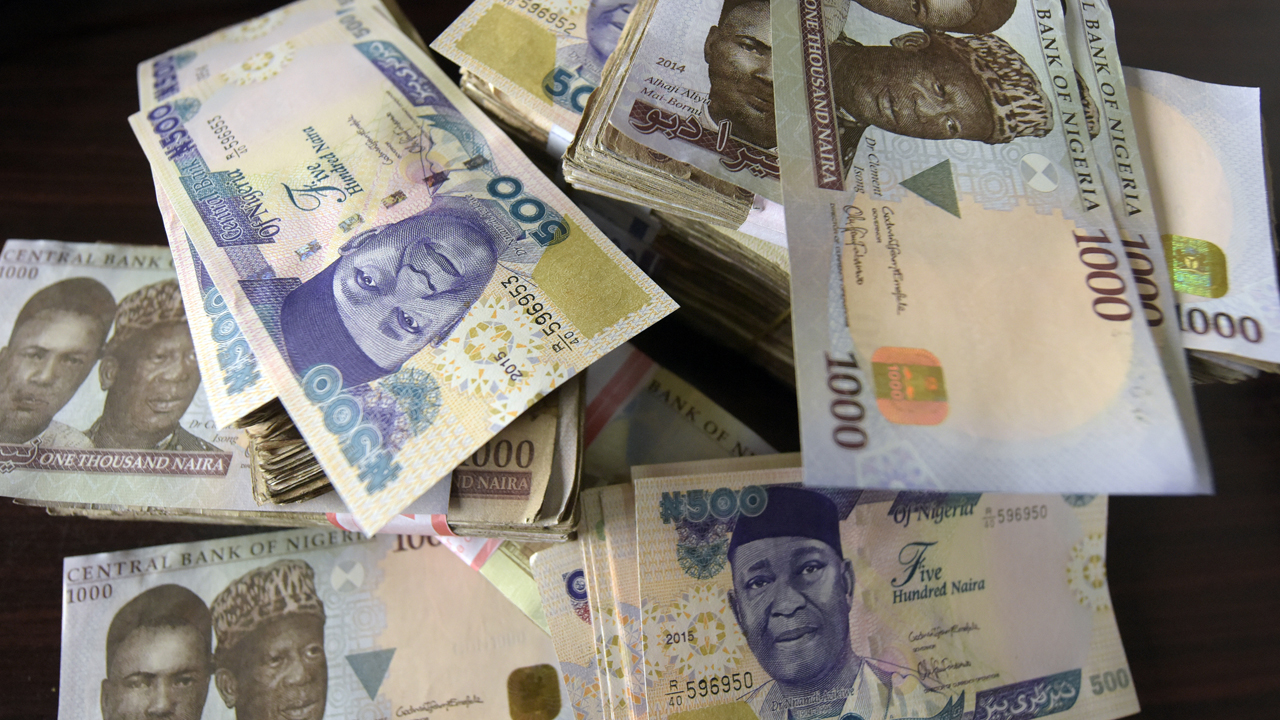
The Nigerian naira strengthened significantly to reach a five-month high of N1,497.5 against the US dollar during Monday’s opening trading session, marking its strongest position since early March and signaling potential momentum in the country’s ongoing currency stabilization efforts.
The local currency’s surge to levels last seen on March 4 reflects what market analysts describe as a confluence of positive factors, including enhanced foreign exchange liquidity in the official market and reduced demand pressures that have historically weighed on the naira’s performance.
The recent appreciation aligns with broader global currency trends, as the naira’s gains have coincided with a general weakening of the US dollar in international foreign exchange markets. This synchronization suggests Nigerian currency movements are increasingly responsive to global monetary dynamics.
Central Bank Official Expresses Bullish Outlook
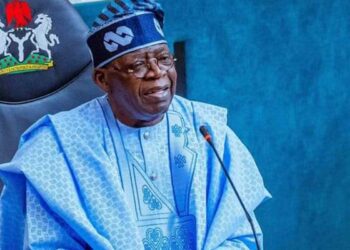
Adding institutional weight to the currency’s recent performance, Professor Murtala Sagagi, a member of the Central Bank of Nigeria’s Monetary Policy Committee, has projected continued strengthening for the naira. Speaking about developments discussed during the MPC’s July meeting—details of which were released publicly on September 12—Sagagi expressed confidence that the currency could appreciate to approximately N1,400 per dollar by year-end 2025.
“With the recent increase in daily crude oil production, new inflows of capital, and an improved balance of payments, it is likely that the naira will continue to appreciate, potentially reaching the projected N1,400 per dollar before the end of the year,” Sagagi stated.
Economic Fundamentals Show Improvement
The MPC members’ optimistic projection rests on several encouraging economic indicators that have emerged in recent months. Key among these is Nigeria’s increased daily crude oil production, which serves as the country’s primary source of foreign currency earnings. Higher oil output directly translates to improved dollar inflows, providing the central bank with greater capacity to support currency stability.
Additionally, Nigeria has witnessed renewed foreign investment interest, with capital inflows contributing to better foreign exchange reserves. The country’s balance of payments position has also shown marked improvement, indicating a healthier relationship between money flowing into and out of the economy.
These developments represent a notable shift from the currency pressures that have challenged Nigeria’s economy in recent years, when the naira faced significant depreciation amid foreign exchange scarcity and elevated import demands.
Policy Implications and Inflation Concerns
While celebrating the currency’s recent gains, Sagagi emphasized the critical importance of continued efforts to reduce Nigeria’s inflation rate, which remains a key economic challenge. The MPC member also highlighted what he described as the “ongoing effectiveness” of Central Bank of Nigeria policies, suggesting that current monetary strategies are yielding positive results.
The naira’s strengthening comes as welcome news for Nigerian consumers and businesses, potentially easing import costs and reducing inflationary pressures on goods priced in foreign currencies. However, economists caution that sustained currency stability will require continued improvement in underlying economic fundamentals and effective monetary policy implementation.
As Nigeria moves through the final months of 2025, market participants will be closely monitoring whether the positive trends cited by the central bank official can indeed propel the naira toward the ambitious N1,400 target, marking what would represent a significant milestone in the country’s economic recovery trajectory.
WHAT YOU SHOULD KNOW
The Nigerian naira has strengthened to its highest level in five months at N1,497.5 per dollar, driven by improved oil production, increased foreign investment, and better foreign exchange liquidity.
A Central Bank official predicts the currency could reach N1,400 per dollar by the end of 2025, signaling potential economic recovery for Africa’s largest economy. This represents the strongest naira performance since March and offers hope for reduced import costs and inflation relief for Nigerian consumers.