In a significant move to bolster Nigeria’s tax compliance framework, the Federal Inland Revenue Service (FIRS) and the Economic and Financial Crimes Commission (EFCC) have renewed their commitment to deeper collaboration, signaling a tougher stance on tax evasion as the country prepares for major revenue reforms.
The renewed partnership comes at a critical time when Nigeria is grappling with declining oil revenues and rising fiscal pressures, making efficient tax administration a cornerstone of the government’s economic strategy.
Speaking during a courtesy visit to the EFCC headquarters in Abuja on Tuesday, FIRS Executive Chairman Dr. Zacch Adedeji emphasized the crucial role of the anti-graft agency in achieving voluntary tax compliance among Nigeria’s over 200 million citizens.
“We cannot pursue 200 million Nigerians individually to do the right thing, but we want to put a system in place that will aid compliance,” Adedeji stated, highlighting the practical challenges of tax enforcement in Africa’s most populous nation.
New Tax Legislation Set to Transform Revenue Collection
The partnership gains added significance as Nigeria prepares for the implementation of the newly signed Tax Acts, which will take effect in January 2026. The landmark legislation will transform the Federal Inland Revenue Service into the Nigerian Revenue Service, representing the most comprehensive overhaul of the country’s tax system in decades.
Adedeji stressed that the success of these reforms hinges largely on inter-agency cooperation and the visible consequences for tax violators. “You can help us by letting people know that when they violate the law, there is a place you can keep them,” he told EFCC officials, underscoring the deterrent effect of potential prosecution.
Building Trust Through Transparency
Central to the FIRS strategy is the belief that voluntary compliance will increase when citizens see tangible benefits from their tax contributions. “The main advertisement of voluntary compliance is when people begin to see what we use the money we collect for,” Adedeji explained, positioning the EFCC as critical not only in arresting defaulters but also in supporting fraud prevention and ensuring value for taxpayer money.
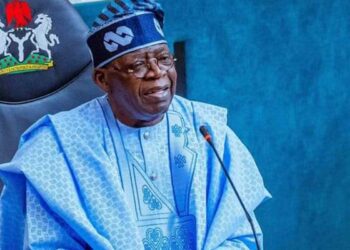
The timing of this partnership announcement is particularly noteworthy, coming shortly after President Bola Tinubu‘s announcement that the federal government exceeded its revenue target for the year by August. According to presidential statements, approximately N20 trillion was collected as revenue, with the majority coming from non-oil sources—a testament to Nigeria’s ongoing efforts at economic diversification.
EFCC Commitment and Legal Backing
EFCC Chairman Ola Olukoyede assured continued collaboration, noting the psychological impact of the partnership. “When they see EFCC beside FIRS, that will send a signal to the public that it is no longer business as usual,” he declared.
Olukoyede also referenced a recent Court of Appeal judgment affirming the EFCC’s authority to investigate tax fraud, describing it as a major boost to their mandate. He clarified the division of responsibilities: “We are not assessors of tax liabilities, but we can investigate non-compliance and push assessment issues back to you. Our duty remains the prevention, investigation, and prosecution of financial crimes.”
Strategic Implications
The strengthened alliance reflects Nigeria’s broader strategy to reduce dependence on oil revenues while building a more robust and transparent fiscal system. By combining FIRS’s tax collection expertise with EFCC’s investigative and prosecutorial powers, the partnership aims to create a comprehensive enforcement mechanism that addresses both voluntary compliance and punitive measures for tax evasion.
As Nigeria continues to navigate economic challenges and work toward fiscal sustainability, this collaboration between two of its key revenue and anti-corruption agencies represents a significant step toward modernizing the country’s tax administration and building greater public trust in government revenue systems.
The success of this partnership will likely be measured not only by improved compliance rates but also by the government’s ability to demonstrate the effective use of public resources—a critical factor in sustaining voluntary tax compliance in the long term.
WHAT YOU SHOULD KNOW
Nigeria is getting serious about tax collection. The tax agency (FIRS) and anti-corruption body (EFCC) are joining forces to crack down on tax evaders, with new laws taking effect in 2026 that will overhaul the entire system. The message is clear: pay your taxes or face prosecution.
The government says it’s already meeting revenue targets largely from non-oil sources, and officials believe people will comply more willingly when they see their tax money being used effectively.
Tax enforcement in Nigeria is about to get much tougher, backed by both collection agents and crime fighters working together.