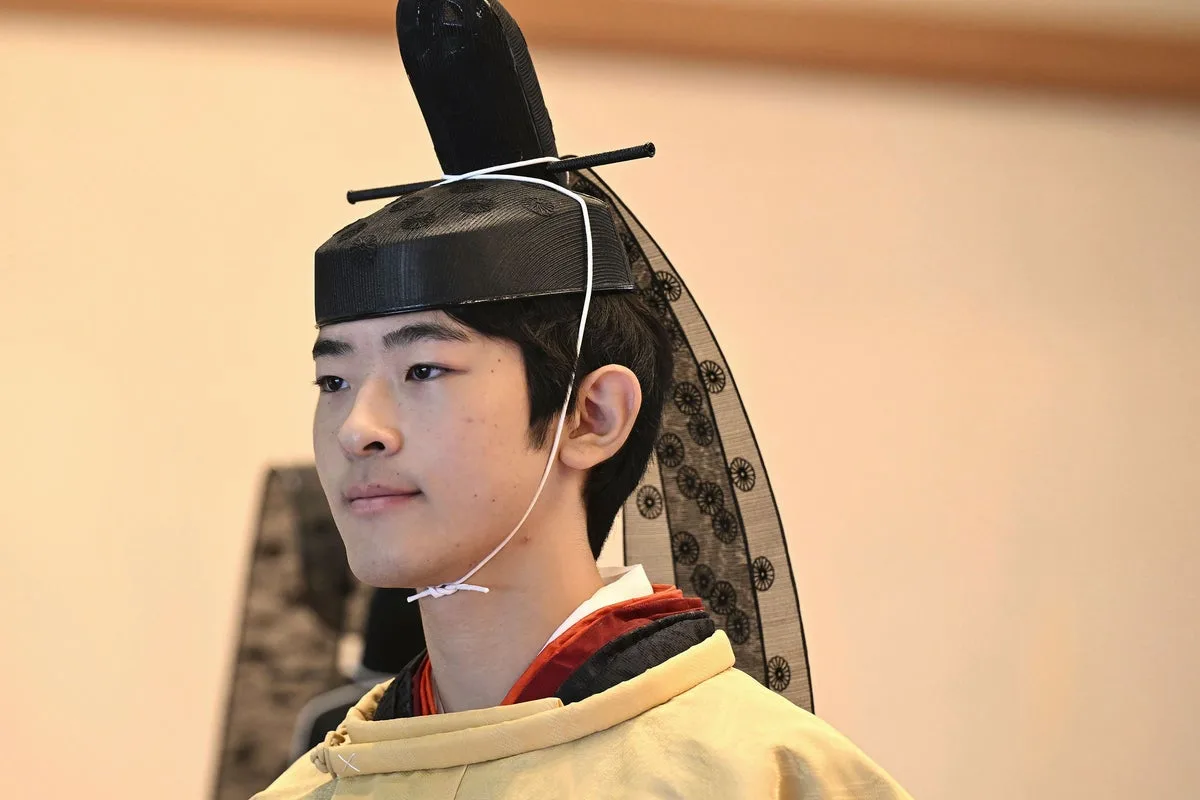
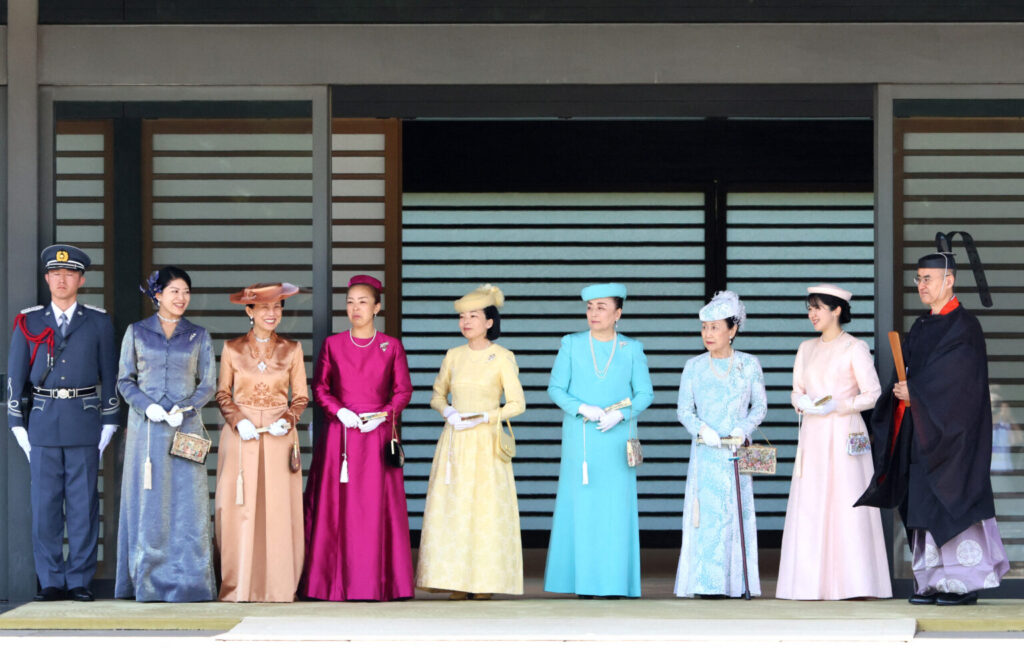
Japan celebrated the coming-of-age of Prince Hisahito on Saturday with an elaborate ceremony at the Imperial Palace, spotlighting the brewing succession crisis within the world’s oldest monarchy.
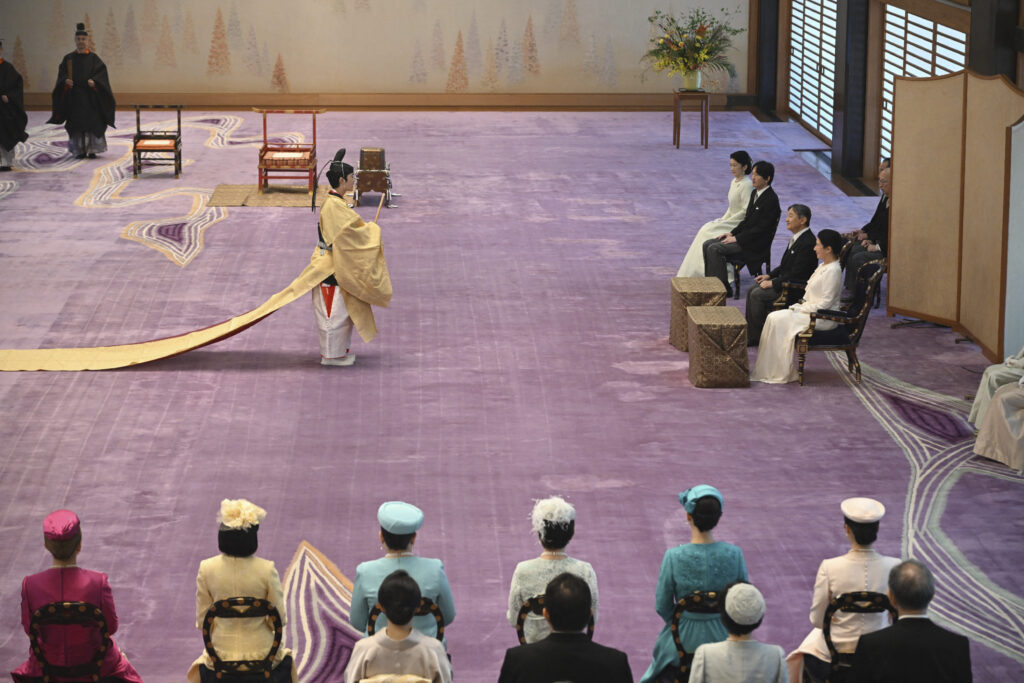
The 19-year-old, nephew of Emperor Naruhito and second in line to the throne after his father, Crown Prince Akishino, received a black silk and lacquer crown in a rite marking his transition into royal adulthood.
“Thank you very much for bestowing the crown today at the coming of age ceremony,” Prince Hisahito said, dressed in the traditional yellow costume worn by imperial minors. Bowing to Emperor Naruhito and Empress Masako, he added: “I will fulfil my duties, being aware of my responsibilities as an adult member of the imperial family.”
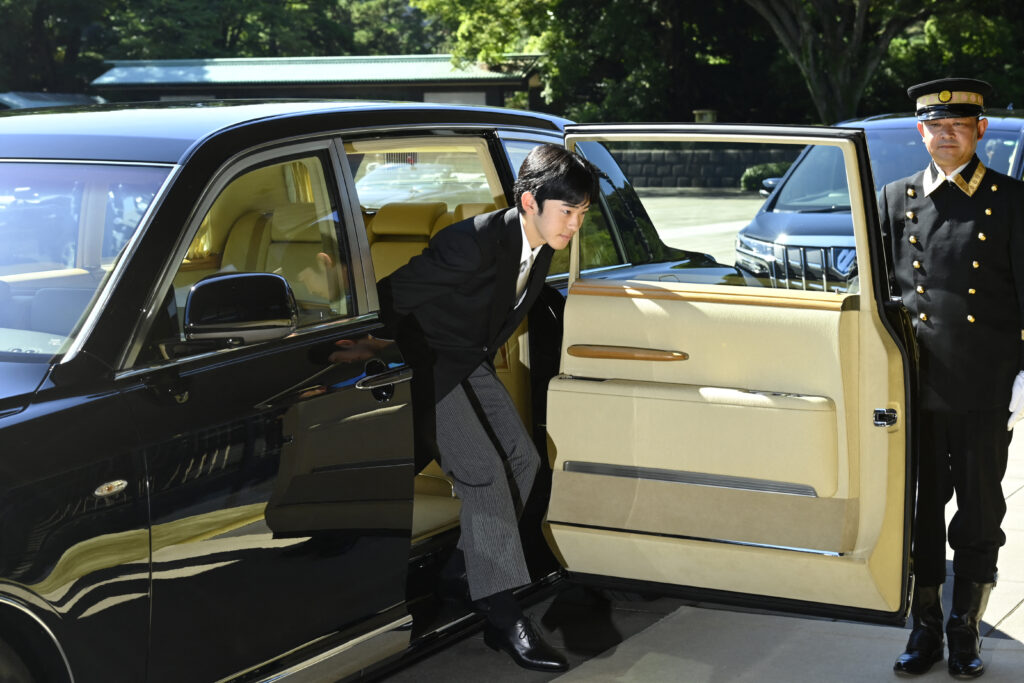
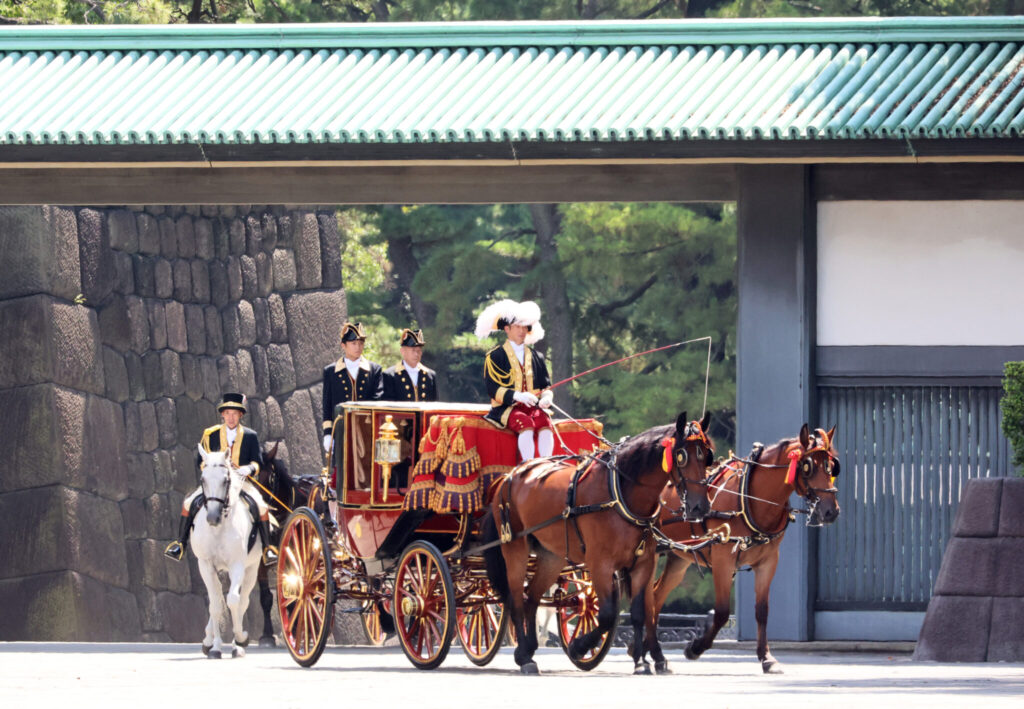
Afterwards, Hisahito changed into a darker formal robe for adult royals and was seen boarding a carriage to continue ceremonial events.
The spotlight on Hisahito comes as Japan’s imperial succession faces mounting debate. Although Emperor Naruhito has a daughter, Princess Aiko, male-only succession rules prevent her from ascending the Chrysanthemum Throne.
Public opinion, however, is shifting. “It makes no difference to me whether a woman becomes the emperor or a man does,” said Tokyo bartender Yuta Hinago, while shop clerk Minori Ichinose, 28, added, “Gender doesn’t matter.”
A government panel in 2005 recommended that succession pass to the monarch’s eldest child regardless of gender, a proposal that gained traction until Hisahito’s birth in 2006 sidelined the debate.
Still, scholars argue that politicians have “kicked the can down the road,” with Hisahito’s youth delaying reforms. Traditionalists insist the “unbroken imperial line” of male heirs underpins Japan’s identity, warning that changes could divide the nation.
The pressures on women in the royal family are well documented. Empress Masako struggled with stress-related illness linked to expectations of producing a male heir, while Princess Mako renounced her title to marry Kei Komuro, later moving to the U.S. after a media storm.
While the public largely supports allowing female emperors, royal historian Hideya Kawanishi noted that political momentum fades once ceremonies end, with attention turning to issues like rising inflation.
What you should know
Prince Hisahito’s coming-of-age ceremony reaffirms his place as heir-in-waiting, yet it also revives Japan’s unresolved debate over imperial succession.
Despite strong public backing for female emperors, traditionalist resistance and political inertia keep reforms stalled, leaving the monarchy’s future uncertain.