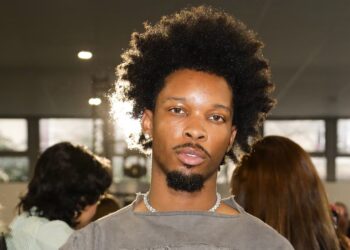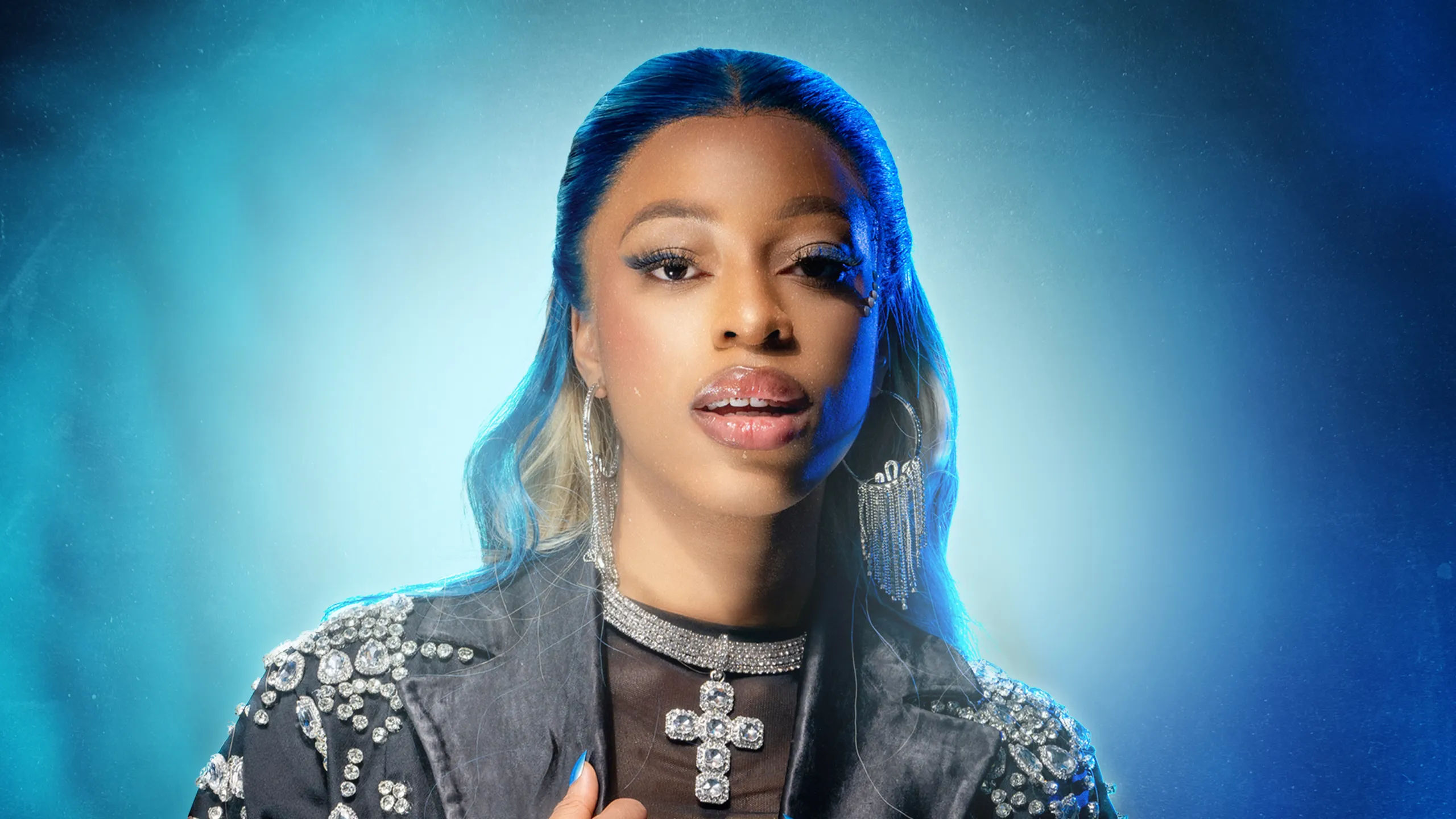
Nigerian singer-songwriter Qing Madi has emerged as one of her country’s most promising musical talents, but her recent comments on the Wahala Podcast reveal the challenging landscape female artists navigate in Nigeria’s booming music scene.
The artist, whose real name is Chimamanda Pearl Chukwuma, gained widespread recognition after her 2022 single “See Finish” and its 2023 follow-up “Ole” spoke candidly about the systemic challenges women face in an industry that has catapulted Nigerian music to global prominence through the Afrobeats movement.
In her podcast appearance, Qing Madi painted a picture of an industry where female artists must constantly prove themselves while facing disproportionate criticism. “Women have to do twice as much work as their male counterparts,” she stated, highlighting what she sees as fundamental inequality in how male and female artists are evaluated and supported.
The young star described experiencing unjust criticism despite her age, expressing frustration at societal expectations that seem to constrain female artists more than their male peers. “The men have the right to do whatever they like, but for the women, society just wants to box women so much,” she explained, suggesting that creative freedom appears more readily afforded to male artists.
Perhaps most significantly, Qing Madi raised concerns about the industry’s protective mechanisms for women, or lack thereof. Her assertion that “the industry is not the best for women in terms of protecting women, loving women in general” points to potential systemic issues that may affect everything from career development to personal safety within Nigeria’s music ecosystem.
Despite these challenges, Qing Madi’s own trajectory suggests that female artists can break through barriers. Her selection as Spotify’s EQUAL Africa artist for January 2025 demonstrates her growing international recognition, while her ranking among the most-streamed female artists in both Nigeria and Ghana indicates significant commercial success.
Qing Madi’s comments come at a time when Nigerian female artists have been taking center stage and making waves globally in 2024, with artists like Ayra Starr, Tems, and Tiwa Savage achieving international breakthrough success. This apparent contradiction between growing female success and persistent industry challenges suggests a complex landscape where individual talent can triumph despite systemic obstacles.
The singer’s decision to speak openly about these issues reflects a growing trend among young African artists who are using their platforms to address social and industry inequalities. Her statement that she’s “super proud of being a female artist in Nigeria” and her acknowledgment that “it takes a lot” to succeed as a woman in the industry position her as both a success story and an advocate for change.
As Nigeria’s music industry continues its global expansion, Qing Madi’s comments serve as a reminder that commercial success doesn’t automatically translate to equal treatment and that the voices of young female artists may be crucial in driving necessary reforms within the industry’s power structures.
WHAT YOU SHOULD KNOW
Despite Nigeria’s music industry achieving global success, 19-year-old rising star Qing Madi reveals that female artists still face significant gender-based challenges—working twice as hard as men, enduring harsher criticism, and lacking adequate industry protection.
Her comments highlight a troubling contradiction: while Nigerian female artists are breaking through internationally, systemic inequalities persist within the industry itself.